The global energy sector stands at a critical juncture, and Germany continues to lead the charge in redefining its energy future. For astute oil and gas investors, developments within the renewable energy infrastructure are no longer peripheral but central to understanding the evolving demand landscape and identifying new capital allocation opportunities. A significant new large-scale battery storage facility planned for Grevesmühlen in Mecklenburg-Western Pomerania, boasting an impressive 48 MWh capacity, serves as a powerful illustration of this ongoing transformation. This project, while seemingly outside the traditional fossil fuel remit, is a crucial bellwether, signaling deeper structural shifts that will inevitably impact long-term oil and gas demand, grid stability, and the strategic pivots of major energy players. Analyzing such initiatives is paramount for investors looking to position their portfolios for resilience and growth in a rapidly decarbonizing world.
Germany’s Circular Economy Play in Energy Storage
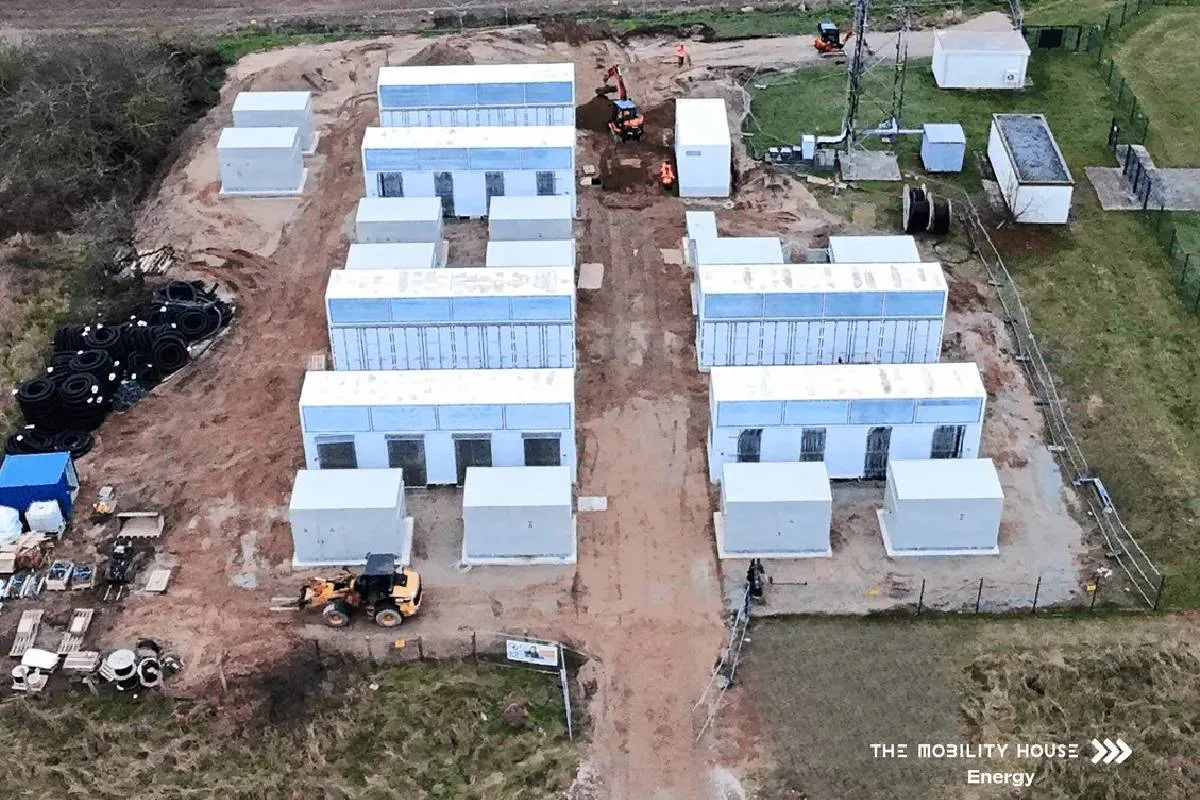
The Grevesmühlen battery storage facility is not merely another renewable energy project; it’s a testament to innovation and circular economic principles that could significantly lower the cost and accelerate the deployment of grid-scale storage. Spearheaded by Fenecon and The Mobility House Energy, this 48 MWh system dwarfs earlier deployments, such as an 8 MWh sister project in North Rhine-Westphalia, underscoring a robust commitment to scaling up essential energy infrastructure. What truly sets this initiative apart is its ingenious approach to battery sourcing: exclusively integrating new, yet obsolete, traction batteries originally manufactured for electric vehicles. These high-quality, durable battery packs often become surplus due to automotive model changes, production adjustments, or shifts in sales plans, traditionally facing premature disposal.
The Mobility House’s role in standardizing these diverse batteries from various manufacturers into a cohesive stationary storage system is pivotal. Their proprietary intelligent marketing algorithms are designed to optimize economic efficiency while simultaneously mitigating battery aging, thereby extending operational lifespans and maximizing returns. This strategy transforms what might otherwise be industrial waste into valuable energy assets, reducing the environmental footprint and, crucially for investors, potentially lowering the overall capital expenditure for utility-scale storage. Such a model offers a compelling blueprint for how the energy transition can leverage existing resources, creating new value chains and enhancing the economic viability of intermittent renewable generation.
Navigating Volatility: Oil Markets and Transition Investments
Against the backdrop of structural energy transition, investors must continually monitor the immediate dynamics of the crude market. As of today, Brent crude trades at $95.16, reflecting a modest intraday gain of 0.39%, while WTI sits at $91.05. This current pricing sits against a backdrop of recent volatility, with Brent having slid nearly 9% from $102.22 just weeks ago on March 25th to $93.22 on April 14th before today’s slight rebound. This underscores the dynamic nature of the crude market, influenced by geopolitical events and supply-demand imbalances.
This environment of fluctuating fossil fuel prices creates both urgency and opportunity for investments in energy transition infrastructure. The imperative for grid stability, a key function of battery storage like the Grevesmühlen project, becomes even more pronounced when considering the intermittency of renewable energy sources. Investors are increasingly seeking assets that offer stable, long-term returns, a characteristic that well-structured grid-scale storage facilities can provide by offering services such as frequency regulation, peak shaving, and energy arbitrage. The continued integration of such robust storage solutions directly impacts the long-term demand curve for traditional oil and gas, influencing the strategic decisions of major energy companies who are increasingly diversifying their portfolios beyond hydrocarbons.
Future Returns and the Calendar of Catalysts
The Grevesmühlen facility is targeting an operational start in the second half of 2025, contingent on the completion of a crucial local substation by E.DIS Netz GmbH. This timeline highlights the critical interplay between innovative technology deployment and existing grid infrastructure. For investors, understanding the project’s successful integration is paramount to assessing its ability to provide essential grid services and generate long-term returns.
While this German project represents a significant long-term structural shift, investors must simultaneously navigate immediate market catalysts that shape short-term capital flows and sentiment. The upcoming weeks are packed with events that will influence the oil and gas sector: the Baker Hughes Rig Count on April 17th and 24th will offer insights into drilling activity, while the OPEC+ Joint Ministerial Monitoring Committee (JMMC) meeting on April 18th, followed by the Full Ministerial meeting on April 20th, will be closely watched for any shifts in production policy. Furthermore, the weekly API and EIA crude inventory reports on April 21st/28th and April 22nd/29th, respectively, will provide critical snapshots of supply and demand balances. These near-term events, while seemingly disparate from a German battery project, collectively contribute to the complex investment environment, where both structural transition and immediate market reactions demand attention. The success and scaling of projects like Grevesmühlen provide a powerful counter-narrative to purely supply-side O&G focus, signaling a future where energy security is increasingly built on diversified, resilient infrastructure.
Addressing Investor Concerns: Stability in a Shifting Landscape
Our real-time investor intent signals highlight a prevailing concern among our readership: pinpointing a reliable Brent price forecast for the upcoming quarter and understanding the drivers behind Asian LNG spot prices. These questions underscore the market’s continuous search for stability and predictability in a highly dynamic energy landscape. The insights from the Grevesmühlen project offer a unique lens through which to consider these concerns.
By bolstering grid stability and enhancing the utilization of sustainable power sources, large-scale battery storage facilities fundamentally alter the energy mix. This increased resilience in power grids, particularly in industrialized nations like Germany, has direct implications for the long-term demand for natural gas, a key component in Asian LNG markets, and by extension, for crude oil as a broader energy commodity. As renewable penetration grows and is reliably firmed by storage, the need for gas-fired power generation as a balancing act can diminish over time, impacting future LNG demand trajectories. Projects that stabilize energy supply from intermittent sources contribute to a more diversified and resilient energy system, which can mitigate some of the price volatility that investors are so keenly focused on. Investing in the energy transition, exemplified by Germany’s innovative storage initiatives, is therefore not just about renewables; it’s about investing in a more stable, predictable, and ultimately more profitable energy future for the entire sector, including integrated oil and gas companies making strategic pivots.