Norway’s Electric Ferry Surge: A Strategic Pivot Impacting Global Marine Fuel Outlook
The global maritime sector is undergoing an undeniable energy transformation, and recent developments in Norway provide a clear signal for energy investors: the era of traditional marine fuels faces significant and accelerating disruption. Norwegian ferry operator Norled has made a definitive strategic move, contracting Norwegian Electric Systems (NES) to supply three high-capacity 4-megawatt onshore charging stations. This approximately NOK 40 million (around €3.4 million) commitment is not merely a local infrastructure project; it represents a tangible allocation of capital towards sustainable shipping, offering critical insights into the evolving energy landscape and the future demand for bunker fuels. For those tracking the pulse of the oil and gas industry, this investment underscores a burgeoning shift in maritime energy consumption patterns that cannot be overlooked.
High-Power Charging: The New Maritime Infrastructure Frontier
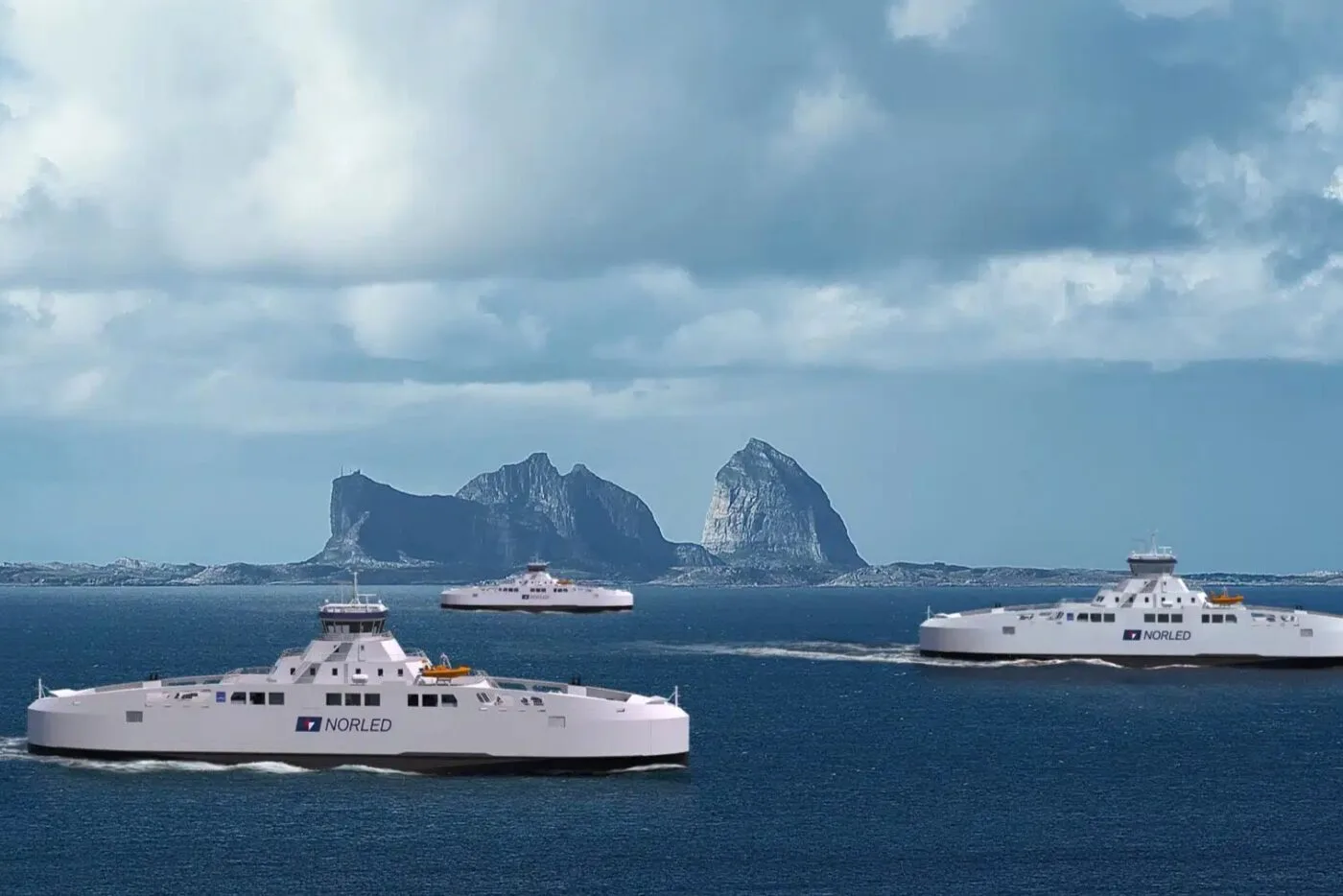
This substantial investment by Norled targets the construction of essential onshore charging infrastructure. NES will undertake the engineering, procurement, construction, and installation of these three state-of-the-art DC charging stations at distinct port locations across Norway. Crucially, these units are designed to leverage the Megawatt Charging System (MCS) standard, ensuring a proprietary charging connector that future-proofs the infrastructure against evolving technological requirements. The installation is slated for completion in late 2026, positioning these stations to support Norled’s expanding fleet of battery-hybrid ferries. Commencing in 2027, three such hybrid vessels, alongside one conventional ferry, will utilize these stations while servicing the vital Stokkvågen-Lovund and Stokkvågen-Træna coastal routes, showcasing a clear trajectory towards electrification on key maritime arteries. This is not just about charging; it’s about establishing the foundational energy architecture for a post-hydrocarbon maritime future, an area ripe for investment and innovation.
Norled’s Decarbonization Drive: A Template for the Industry
This significant infrastructure investment aligns perfectly with Norled’s aggressive decarbonization strategy, directly supporting Norway’s ambitious national climate targets. As one of Norway’s largest ferry operators, Norled has consistently championed zero-emission maritime technologies, pioneering advancements in both hydrogen and fully electric propulsion systems. The company already operates a substantial fleet of hybrid ferries, demonstrating practical experience in alternative power sources. Notably, Norled also launched the ‘MF Hydra,’ one of the world’s first hydrogen-powered ferries, cementing its reputation as an industry leader in sustainable shipping. This latest move solidifies their commitment to transitioning away from traditional marine fuels and highlights the increasing regulatory pressures that are driving such profound shifts across the entire maritime industry, setting a precedent that other operators globally are likely to follow, impacting long-term marine fuel demand.
The Economic Imperative: Efficiency and Regulatory Compliance
Onshore charging stations are rapidly becoming more than just an environmental imperative; they are critical for operational viability and efficiency in the modern maritime sector. The high 4-megawatt output capacity of these MCS-standard chargers ensures rapid recharging capabilities, a crucial factor for hybrid vessels operating on tight schedules with short crossings. This swift turnaround minimizes port-side dwell times, maintains service schedules, and allows operators to comply with increasingly stringent emissions regulations prevalent in Norwegian waters and, increasingly, across international maritime zones. For astute investors, this signals a robust and growing market for high-power charging solutions that deliver both environmental compliance and tangible economic benefits through enhanced operational flow and reduced fuel costs. The convergence of ecological mandates and financial efficiency makes these investments particularly compelling.
NES: A Key Enabler in the Maritime Energy Transition
Norwegian Electric Systems (NES) emerges as a pivotal player in this unfolding maritime energy transition. This contract reinforces NES’s position as a comprehensive electrification partner, capable of delivering turn-key solutions from engineering and supply to installation and commissioning. Their expertise in developing sophisticated power control systems, battery solutions, and now high-capacity charging infrastructure positions them at the forefront of the shift away from fossil fuels. As more ferry operators and shipping companies worldwide look to decarbonize their fleets, companies like NES, with proven capabilities in integrating complex electrical systems, are poised for significant growth. Investors seeking exposure to the infrastructure backbone of the new energy economy should pay close attention to firms demonstrating such comprehensive capabilities in sustainable shipping solutions.
Investment Implications: Erosion of Marine Fuel Demand and New Opportunities
For investors focused on the oil and gas sector, these developments in Norway serve as a critical alert regarding the future of marine fuel demand. Each vessel converted to electric or hybrid power represents a permanent reduction in the consumption of bunker fuels like MGO or VLSFO. While ferries constitute a specific segment, the trend’s underlying drivers – regulatory pressure, technological advancements, and operational efficiencies – are universal and will eventually permeate other shipping categories. This shift necessitates a re-evaluation of long-term demand forecasts for traditional marine fuels. However, it also opens vast new investment opportunities in related sectors: the development and deployment of charging infrastructure, battery technology manufacturing, smart grid solutions for ports, and the expansion of renewable energy generation to power these new electric fleets. Diversification and strategic foresight are paramount for navigating this evolving energy market landscape.
The Broader Outlook: Beyond Norway’s Fjords
While Norway stands out as a leader in maritime electrification, the impetus for decarbonization is global. The successful implementation of large-scale electric ferry operations in Norway provides a blueprint for similar initiatives worldwide. This extends beyond ferries to other short-sea shipping segments, tugboats, and even initial forays into hybrid solutions for larger ocean-going vessels. The technological advancements driven by contracts like Norled’s with NES will inevitably spill over, accelerating the pace of change across the entire maritime industry. For oil and gas investors, understanding these foundational shifts is crucial. The capital allocated to projects like these charging stations represents a reallocation of energy investment, signaling a long-term structural change in how the world’s fleets will be powered, with profound implications for traditional energy portfolios.
Conclusion: A New Era for Maritime Energy Investment
Norway’s proactive stance on electric ferry infrastructure, exemplified by Norled’s significant investment with NES, is more than a regional initiative; it is a potent signal of a profound and irreversible transformation in maritime energy consumption. This shift will continue to reshape marine fuel demand globally, creating both challenges for traditional oil and gas players and immense investment opportunities in the burgeoning green maritime sector. Investors who recognize these evolving dynamics and strategically position their portfolios to embrace the infrastructure and technologies driving this transition will be best prepared for the future energy landscape. The electrification of ferries is just one vivid illustration of the capital flight from fossil fuels to sustainable alternatives, underscoring the urgency for a forward-looking approach to oil and gas investing.