Starmer Affirms UK Climate Policy Stability
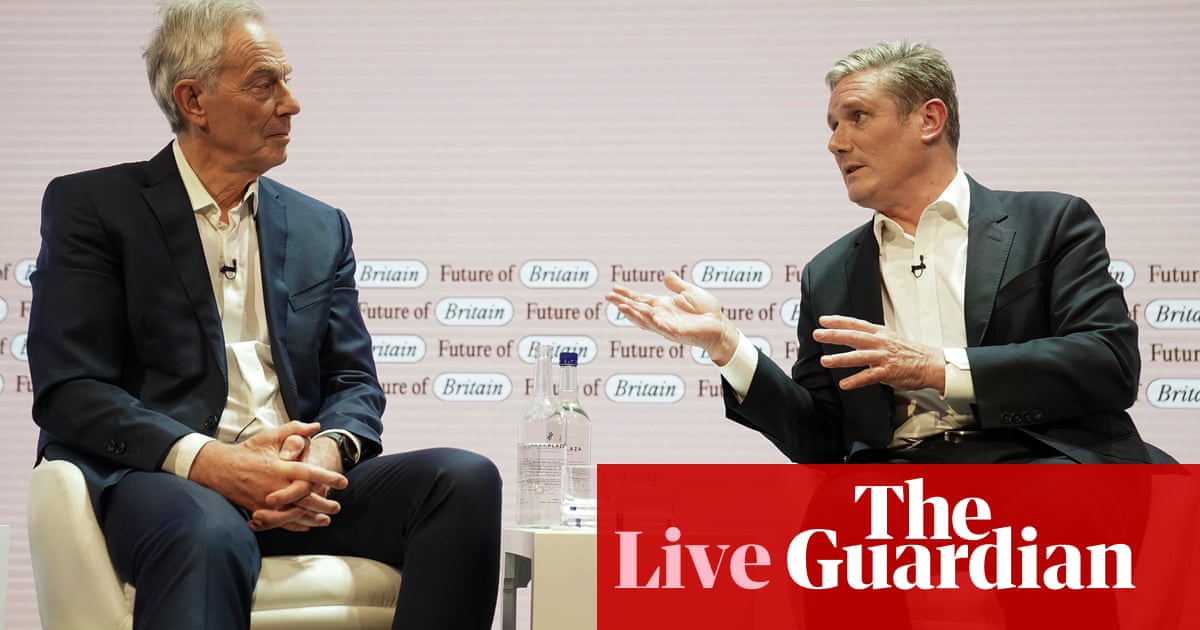
The UK’s dynamic energy landscape demands unwavering clarity from its political leaders, particularly for investors navigating the complexities of the energy transition. Recent declarations from Labour Party leader Keir Starmer have brought the future direction of climate policy under intense scrutiny, as he endeavors to project an image of steadfast consistency. Starmer’s statements emphasize a strong alignment between Labour’s contemporary climate strategy and the foundational views previously articulated by former Prime Minister Tony Blair, a move clearly designed to reassure capital markets and industrial stakeholders.
This commitment to continuity is particularly evident in critical technological and strategic areas. Starmer specifically highlighted Blair’s historical advocacy for robust investment in carbon capture technology, a stance the current opposition leadership unequivocally embraces. He underscored the tangible benefits of existing carbon capture initiatives, pointing to their significant potential for job creation and economic growth across various regions of the UK. Furthermore, Blair’s forward-thinking call for leveraging artificial intelligence to address pressing climate challenges resonates deeply with current Labour thinking. Substantial investments are already flowing into AI development, positioning this sector as a fundamental pillar for future economic expansion and innovation within the UK economy. For businesses, the importance of clear, domestically defined targets for emissions reductions was another point of crucial convergence cited by Starmer, offering essential certainty for long-term capital deployment and strategic planning. From an investor’s vantage point, this pronounced emphasis on policy continuity and specific technological pathways offers a welcome degree of clarity, hinting at a potential bipartisan consensus emerging on key elements of the nation’s evolving energy infrastructure.
Navigating the Net-Zero Debate: Investment Certainty at Stake
Despite the expressed desire for policy consistency, the pathway towards a net-zero economy remains a battleground of sharply contrasting perspectives, presenting potential volatility and heightened risk for energy sector investors. The political discourse surrounding the pace and cost of the energy transition is far from harmonious, creating an environment where long-term capital commitments face considerable uncertainty. Sammy Wilson, a prominent DUP Member of Parliament, delivered a scathing assessment of net-zero policy, forcefully labeling it as “not only bad, it is mad.” Such unequivocal rhetoric from a significant political figure starkly highlights the profound divisions that persist regarding the practical implementation and economic ramifications of the UK’s ambitious climate objectives.
For companies contemplating multi-billion-pound infrastructure projects, including those within the vital oil and gas sector, this pervasive political friction directly translates into elevated policy risk. This heightened risk can act as a significant deterrent for long-term capital commitments, as investors seek stable regulatory environments to underpin their financial models. The ongoing, fervent debate surrounding the operational practicality and economic viability of net-zero strategies directly impacts the fundamental financial models and risk assessments undertaken by energy firms. Consequently, political stability and a broad cross-party consensus become exceptionally desirable for fostering sustained investment and ensuring the successful execution of large-scale energy projects that are critical for both energy security and the broader economic health of the nation.
Geopolitical Stability and Economic Impact: Broader Considerations for Energy Investors
Beyond the intricacies of domestic climate policy, a broader tapestry of geopolitical and economic factors continues to profoundly shape the investment landscape for energy sector participants. Foreign Secretary David Lammy recently articulated the indispensable role of robust defense spending in safeguarding global security, and by direct extension, maintaining economic stability. For energy investors, this connection is particularly salient. Geopolitical instability, whether manifesting as regional conflicts, trade disputes, or disruptions to international shipping lanes, directly impacts the security of energy supply chains and can introduce significant volatility into global commodity markets. Sustained investment in defense, therefore, can be viewed as a foundational element supporting the predictability and resilience of the international energy trade, which is crucial for oil and gas producers and consumers alike.
Moreover, the global economic climate, influenced by interest rates, inflation, and international trade relations, profoundly dictates demand for energy resources and the cost of capital for energy projects. A stable geopolitical environment, bolstered by effective defense strategies, contributes to a more predictable global economy, allowing for more accurate forecasting of energy demand and pricing. This stability is paramount for companies making multi-year investment decisions in exploration, production, and infrastructure development. Disruptions, such as those caused by supply chain bottlenecks or heightened geopolitical tensions, can rapidly escalate operational costs, delay project timelines, and erode investor confidence. Therefore, the strategic emphasis on defense spending and global security, as articulated by the Foreign Secretary, underscores its direct relevance to the financial health and long-term prospects of the UK’s energy sector and the broader global oil and gas industry.
Future Outlook: Balancing Ambition with Pragmatism
As the UK navigates its complex energy transition, the interplay between political rhetoric, technological innovation, and external global pressures will define the investment environment for years to come. While Starmer’s alignment with established policy positions on carbon capture, AI integration, and domestic targets offers a degree of reassurance regarding Labour’s approach, the stark divisions highlighted by figures like Sammy Wilson underscore the formidable political challenges ahead. Investors must carefully weigh the stated policy continuities against the underlying political friction that could introduce delays or alterations to strategic energy projects, particularly those requiring significant long-term capital commitments within the oil and gas sector.
The broader context of global security and economic stability further complicates this picture. Foreign Secretary David Lammy’s emphasis on defense spending highlights the critical connection between international order and the smooth functioning of energy markets. Energy investors, therefore, are not merely scrutinizing domestic climate policies but also the UK’s capacity to contribute to and benefit from a stable global environment. Ultimately, sustained and substantial investment in the UK energy sector, including its vital oil and gas components, will hinge on the government’s ability to forge a pragmatic path that balances ambitious climate objectives with economic realities, political consensus, and a robust framework for national and international security. Clarity, consistency, and cross-party cooperation remain the most valuable commodities for attracting and retaining capital in this critical sector.


