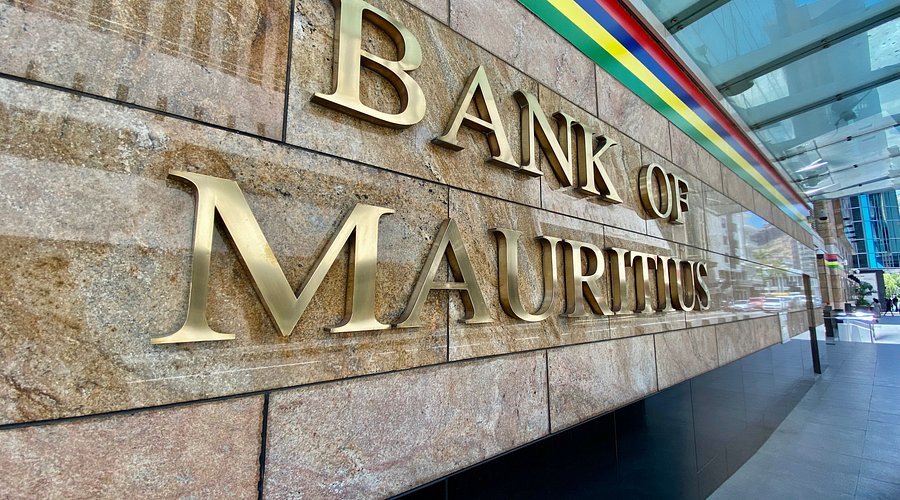
The global financial landscape is undergoing a profound transformation, with climate-related considerations rapidly migrating from environmental talking points to fundamental components of financial stability. For oil and gas investors, this paradigm shift carries significant weight. A recent, groundbreaking initiative spearheaded by the Bank of Mauritius (BOM) exemplifies this evolution, strategically embedding climate risks directly into its regulatory and financial stability frameworks. This pioneering move, backed by a formidable international consortium, signals a clear direction for global capital allocation and financial oversight in an era increasingly prioritizing sustainability, presenting tangible implications for the hydrocarbon investment community.
A New Regulatory Paradigm Emerges in the Indian Ocean
Under the banner of the “SUNREF – Cap sur la Finance Durable” program, the Bank of Mauritius has forged a robust partnership designed to fundamentally reshape its financial ecosystem. Key collaborators in this ambitious endeavor include the Agence Française de Développement (AFD), the Delegation of the European Union, the Mauritius Bankers Association Limited, and Business Mauritius. This broad and influential coalition underscores the comprehensive nature of the initiative, aiming to seamlessly integrate climate risk considerations across the nation’s entire financial system.
For savvy energy investors, this development mandates a new layer of scrutiny for any financial activity touching Mauritius. It portends a potential direct influence on the availability and, critically, the cost of capital for projects characterized by significant carbon footprints. The proactive stance of a central bank in an emerging market, particularly one with a growing financial services sector, establishes a powerful precedent. This could potentially inspire other jurisdictions to adopt similarly rigorous standards for climate risk assessment, creating a ripple effect that hydrocarbon investors cannot afford to ignore.
Re-evaluating Risk: The Technical Deep Dive
The program’s core focus areas are particularly instructive for understanding the future landscape of energy finance. The BOM has articulated clear intentions to develop sophisticated climate risk models, integrate these emerging risks into its macroprudential and regulatory frameworks, and significantly enhance access to crucial climate-related data. Furthermore, the bank plans to expand the role and capabilities of its existing Climate Change Centre, solidifying its institutional capacity to drive this transformative agenda.
These technical measures translate directly into a more stringent evaluation process for any investment, including those in the oil and gas sector. As climate risk models become more advanced, the financial sector will gain greater clarity on the potential impacts of climate change on asset values, project viability, and loan portfolios. Integrating these risks into macroprudential frameworks means that the stability of the entire financial system will be assessed through a climate lens, potentially leading to higher capital requirements or tighter lending standards for banks with significant exposure to carbon-intensive assets. Enhanced data access will empower regulators and financial institutions to make more informed, and likely more conservative, decisions regarding fossil fuel projects. This comprehensive approach means that the era of easily accessible, low-cost capital for high-emission projects is rapidly drawing to a close.
Capital Constraints: A Direct Threat to Hydrocarbon Investment
First Deputy Governor Rajeev Hasnah powerfully articulated the Bank’s overarching vision, stating, “The Bank recognizes that the future of financial stability and economic resilience is intrinsically linked to sustainability.” This declaration signifies a profound strategic shift, elevating sustainability from a peripheral concern to a central pillar of national economic policy. For investors deeply entrenched in oil and gas, this directly mandates a critical re-evaluation of long-term asset viability and an increased awareness of potential stranded asset risks.
Financial institutions operating under these new, stringent guidelines will inevitably face mounting pressure to de-risk their portfolios from high-carbon assets. This mandate will directly constrain traditional fossil fuel financing channels. As banks and other lenders adjust their lending policies to align with national sustainability goals and internal ESG targets, the pool of available capital for exploration, production, and infrastructure projects in the hydrocarbon sector will shrink. Projects that once secured financing with relative ease may now find themselves competing for a dwindling supply of capital, often at significantly higher interest rates or with more onerous terms.
The implication is clear: the cost of capital for oil and gas ventures is set to rise, reflecting the increased regulatory and financial risk perception associated with carbon-intensive activities. This strategic move by Mauritius is not merely an environmental statement; it is a calculated financial maneuver designed to steer capital towards more sustainable investments, simultaneously making traditional hydrocarbon projects less attractive from a financing perspective.
Global Ripple Effect: Beyond Island Borders
This collaboration represents a pivotal step for Mauritius in aligning its financial ecosystem with evolving global Environmental, Social, and Governance (ESG) expectations. By strengthening sectoral capacity and actively promoting sustainable financing, the nation positions itself as a leader in green finance. However, the significance extends far beyond its shores. If an emerging market central bank takes such a proactive and comprehensive stance, it sends a powerful signal to other jurisdictions globally. Nations with similar climate vulnerabilities, or those simply seeking to burnish their green credentials and attract sustainable investment, may well follow suit.
The cascading effect of such regulatory harmonization could create a challenging and increasingly uniform landscape for oil and gas capital globally. Investors must anticipate that what begins in Mauritius could soon become standard practice in other financial hubs, further tightening the screws on traditional fossil fuel financing. The trend is clear: financial systems worldwide are increasingly being rewired to favor green investments, and those who fail to adapt risk being left behind in a capital-constrained environment.
Navigating the Shifting Tides: Investor Strategies
For oil and gas investors, understanding this evolving regulatory landscape is paramount. The era of cheap, readily available capital for projects regardless of their carbon intensity is drawing to a close. Strategies must adapt to this new reality. This includes a thorough assessment of portfolio carbon intensity, proactive engagement with ESG frameworks, and a serious consideration of pivoting towards lower-carbon or transition-focused projects.
Accessing capital from increasingly green-mandated financial institutions will necessitate demonstrating a clear pathway to decarbonization, robust climate risk management, and a credible commitment to the energy transition. Those who can articulate a compelling vision for sustainable energy production, or even diversify into renewable energy sectors, will be better positioned to secure financing in this rapidly evolving financial climate. The actions taken by the Bank of Mauritius serve as a stark reminder: the future of oil and gas investing is inextricably linked to the ability to adapt to a world where financial stability and sustainability are one and the same.


