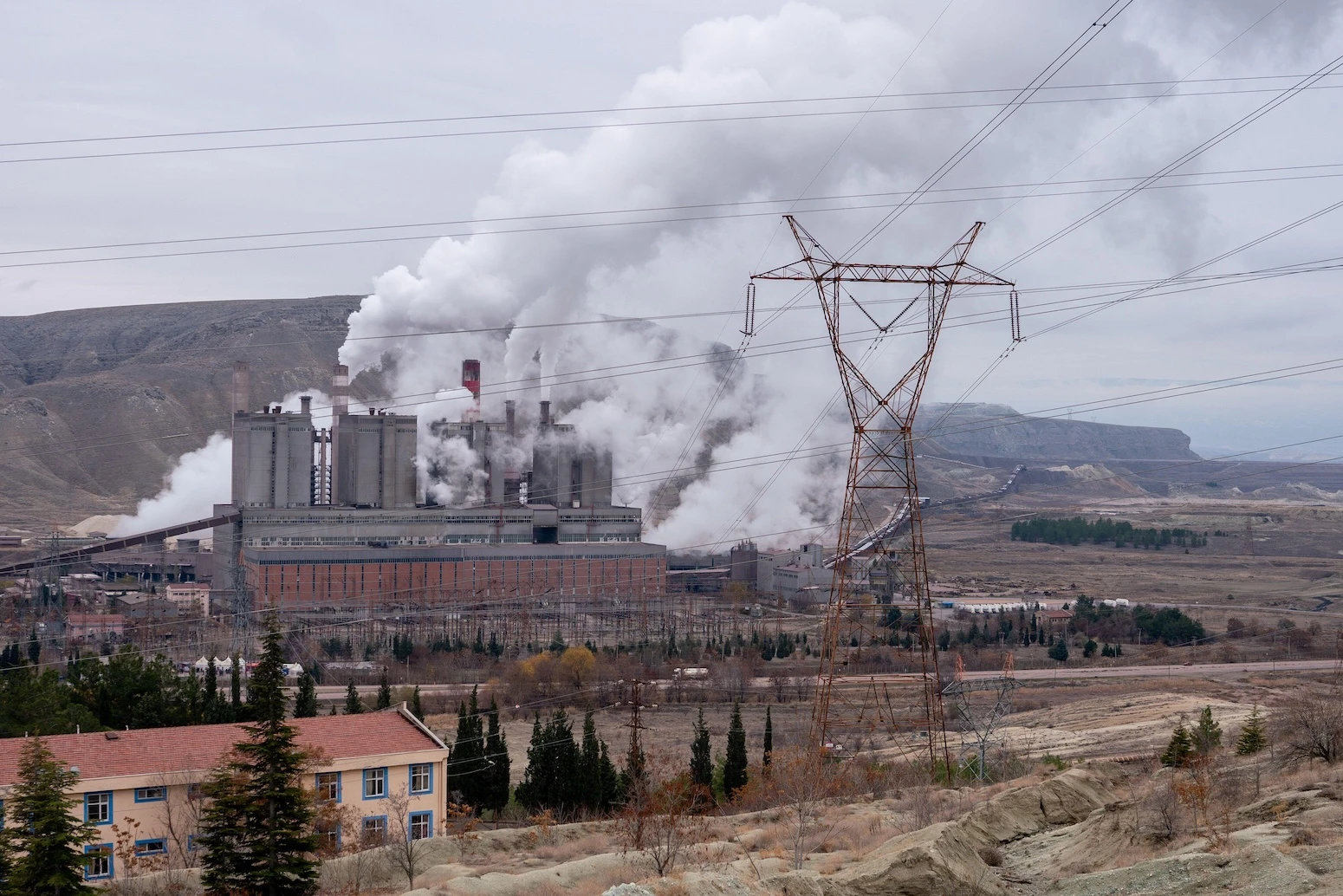
The global energy landscape is undergoing a monumental transformation, creating both compelling opportunities and intricate challenges for astute oil and gas investors. A comprehensive market analysis highlights a decisive worldwide pivot away from coal-fired power generation, marking a pivotal moment for the natural gas sector. Since the landmark Paris Agreement in 2015, nearly 60 nations have substantially curtailed their plans for new coal facilities, setting the stage for natural gas to emerge as a critical, indispensable bridging fuel in the accelerating energy transition.
Nations Dismantle Future Coal Ambitions
Commitment to a cleaner energy future is clearly visible in the actions of numerous countries that have dramatically scaled back their reliance on future coal projects. Major economies and rapidly developing nations are showing remarkable resolve. Countries like Turkey, Vietnam, and Japan, for instance, have aggressively slashed their proposed coal-power pipelines by an astonishing 98% or more. This aggressive reduction signals an unambiguous departure from this highly carbon-intensive fuel source.
Looking back over the past decade, a significant trend emerges: 35 countries, including economic powerhouses such as South Korea and Germany, have completely expunged coal from their prospective energy development strategies. While global coal-fired electricity generation has experienced a modest uptick since 2015—primarily attributable to plants already under construction coming online—the data on “pre-construction” phases in 2024 presents a starkly different and highly instructive narrative. This forward-looking metric reveals a dramatic contraction in proposals for all future coal facilities.
The geopolitical footprint of future coal development has also shrunk considerably. The number of countries still contemplating new coal plants has approximately halved, now standing at just 33. Concurrently, the aggregate proposed capacity—representing the maximum potential electricity output of these planned facilities—has plummeted by approximately two-thirds. This profound recalibration of global energy priorities carries far-reaching implications for energy markets, demand dynamics, and, critically, investor strategies in the oil and gas sector.
China and India: Navigating the Nuances of Transition
Even the world’s largest coal consumers, China and India, are demonstrating significant, albeit complex, shifts in their energy blueprints. Both nations have reduced their planned coal capacity by over 60% within the same timeframe, moving from a combined total of 801 gigawatts (GW) down to 298 GW. This substantial reduction from two of the globe’s most energy-hungry economies emphatically underscores the broader global momentum towards decarbonization.
However, investors must carefully consider the intricate details. Despite these impressive reductions, both China and India still maintain a considerable number of coal projects within their respective pipelines. Collectively, these two nations account for an overwhelming 92% of all newly proposed coal capacity globally in 2024. Their continued, albeit diminished, investment in coal remains a critical variable in the broader fossil fuel discussion, influencing global commodity prices and the pace of energy transition. This dual reality means that while the direction of travel is clear, the journey for these giants will be multifaceted, creating sustained demand for flexible, lower-carbon alternatives like natural gas, particularly LNG.
The Natural Gas Imperative: Bridging to a Sustainable Future
The 2015 Paris Agreement fundamentally reshaped the discourse around fossil fuels, specifically targeting coal for rapid phase-out due to its status as the most carbon-intensive energy source. Expert bodies such as the Intergovernmental Panel on Climate Change (IPCC) and the International Energy Agency (IEA) consistently advocate for steep declines in “unabated” coal use to meet ambitious global climate objectives. This imperative directly elevates the strategic importance of natural gas.
As coal phases out, natural gas steps in as a vital, cleaner-burning alternative. It emits significantly less carbon dioxide and fewer pollutants than coal during combustion, making it an essential component for countries striving to reduce their emissions while maintaining energy security and economic growth. The paradox of current coal generation versus future decline creates an immediate and long-term demand surge for natural gas. While some legacy coal plants continue to operate or come online from prior commitments, the pipeline for new coal is rapidly drying up, leaving a substantial gap that natural gas is uniquely positioned to fill.
For investors, this presents a robust thesis for natural gas. Demand for Liquefied Natural Gas (LNG) is poised for sustained growth as energy-hungry nations, particularly in Asia, seek reliable and relatively cleaner alternatives to coal. Investment opportunities abound across the natural gas value chain, from upstream exploration and production to midstream infrastructure development, including pipelines, processing plants, and crucial LNG export terminals. Companies focused on expanding gas infrastructure and delivering flexible power solutions stand to benefit significantly from this global shift.
The transition away from coal is not merely an environmental mandate; it’s an economic realignment. Natural gas offers the flexibility to complement intermittent renewable energy sources like solar and wind, providing baseload power and grid stability during periods of low renewable output. This symbiotic relationship further cements natural gas’s role as a cornerstone of modern energy systems, making it an increasingly attractive asset in a decarbonizing world. Savvy oil and gas investors are keenly observing these trends, recognizing the profound long-term value proposition in a sector poised for unprecedented growth as the coal era definitively recedes into history.