Oil & Gas Momentum Builds as Electric Vehicle Narrative Falters
The electrifying narrative that once propelled the electric vehicle (EV) sector is now encountering significant turbulence, forcing a critical reassessment among investors. Recent financial disclosures from a prominent EV manufacturer have sounded a clear alarm, highlighting a growing disconnect between aspirational projections and current market realities. For shrewd capital allocators, this unfolding drama in the EV space accentuates the enduring vitality and indispensable role of the traditional oil and gas industry, presenting an increasingly robust argument for strategic allocations to hydrocarbon assets.
The latest quarterly earnings from a leading EV giant paint a sobering picture. The company reported its weakest financial performance in four years, with global sales experiencing a notable 9% contraction. Net income plummeted by a staggering 71%, a severe blow largely attributed to a 20% decline in automotive revenues. Amidst these challenging figures and impending market complexities, management conspicuously refrained from offering any sales targets for the remainder of the year. Curiously, despite this downturn, the company’s stock witnessed an unexpected 9% rally since Tuesday, seemingly buoyed by the CEO’s declared intention to re-engage more fully with the core business following a period marked by extensive external political involvement.
Leadership Distractions and Brand Erosion Undermine EV Progress
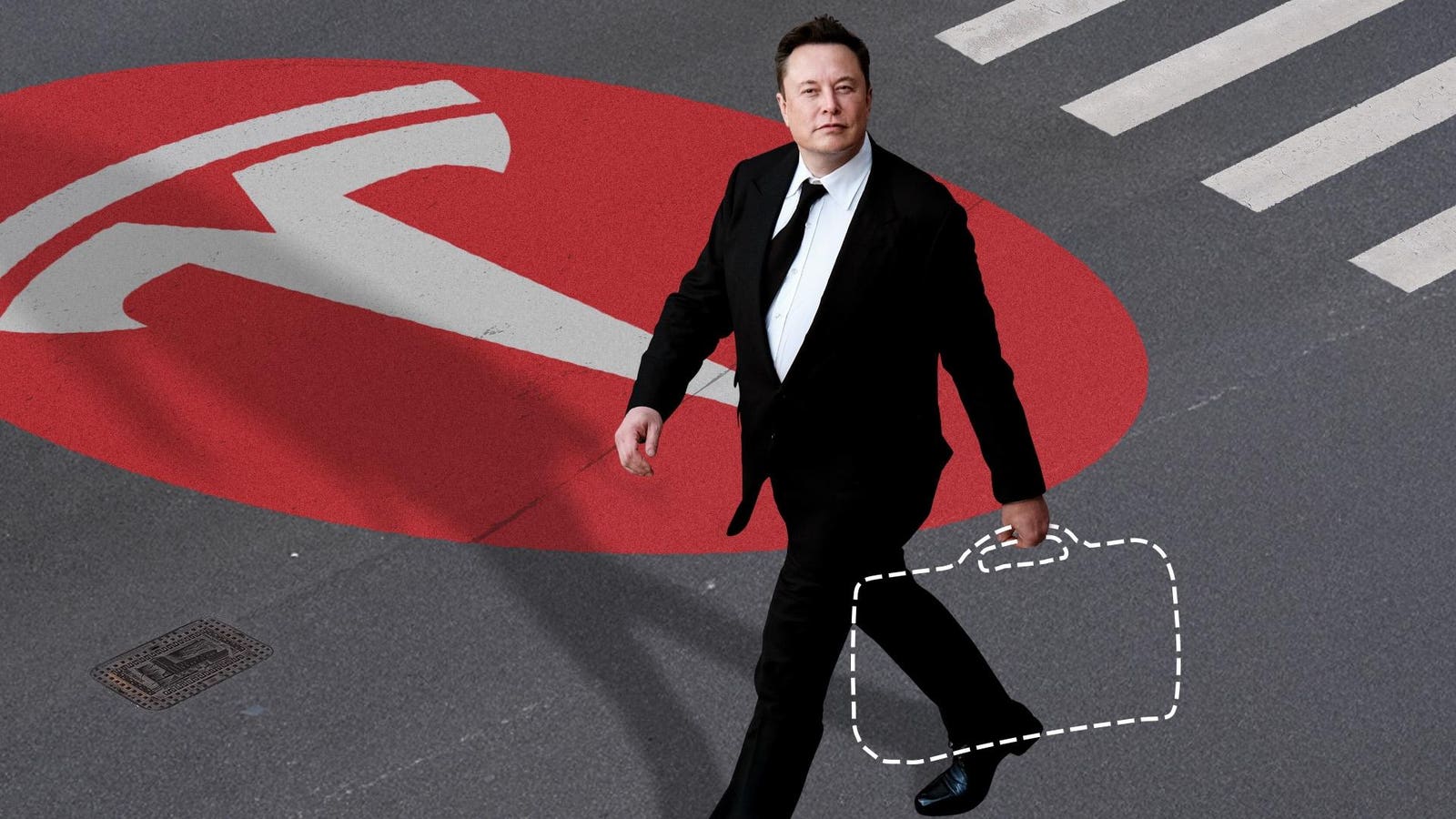
However, the optimistic notion that a mere shift in leadership focus will miraculously resolve deeply entrenched operational and reputational issues appears overly simplistic. The company’s recent struggles, including shrinking profit margins, intensifying competition, and a tarnished brand image, have been visibly compounded by its CEO’s high-profile political activities, which included a stint as a “special government employee.” These fundamental challenges show little sign of abatement, even with a more hands-on approach from the chief executive. Critics suggest the CEO seems to lack concrete solutions for the immediate business, instead fixating on speculative future ventures such as robotaxis and humanoid robots, while the foundational automotive division grapples with significant headwinds.
Currently, the company primarily generates profits from vehicle sales and battery storage systems, both now facing considerable market resistance. It has notably struggled to introduce a successful successor to its highly popular Model Y and Model 3 vehicles. Its most recent introduction, a uniquely styled pickup truck, has been widely perceived as a substantial commercial disappointment, failing to capture the mass market appeal of its predecessors. Compounding these product-line deficiencies, the brand itself has suffered a significant blow. The CEO’s public embrace of polarizing political ideologies and inflammatory commentary across social media platforms has systematically eroded the brand’s appeal for well over a year, particularly in crucial markets like California and Europe, where environmental consciousness and progressive values often resonate strongly.
A recent poll conducted by Marquette University Law School starkly revealed that 60% of respondents hold an unfavorable view of the CEO, with 58% disapproving of his political engagement efforts. This pervasive brand erosion suggests a critical juncture where the personal persona and corporate identity have become inextricably linked. Industry observers note that the company has, in effect, surrendered its early-mover advantage in the burgeoning EV sector due to these self-inflicted wounds.
Tariffs and Intensifying Competition Create Further Headwinds
Beyond internal organizational struggles and a diminished brand perception, external forces are poised to deliver additional blows to the broader EV market. Upcoming trade policies, particularly the imposition of new tariffs, are widely expected to chill overall auto sales, disproportionately affecting the higher-priced EV segment. These protectionist measures will likely increase the cost of imported components and vehicles, making EVs even less accessible to the average consumer at a time when affordability is already a significant barrier to widespread adoption. Furthermore, the global EV landscape is witnessing an explosion of new entrants, particularly from Asian manufacturers, who are rapidly improving their technology and offering highly competitive pricing. This burgeoning competition will exert immense pressure on established players, forcing further price reductions and margin compression across the board.
This confluence of internal missteps, brand damage, and external economic pressures underscores a critical shift in the EV market. What was once seen as an unstoppable force is now demonstrating vulnerability, grappling with issues of profitability, market acceptance, and leadership focus. For investors, the promise of a rapid, wholesale transition to electric vehicles appears increasingly challenged by practical realities and consumer preferences.
The Enduring Strength of Hydrocarbons: A Compelling Investment Thesis
In stark contrast to the faltering EV narrative, the traditional oil and gas sector continues to demonstrate remarkable resilience and robust demand. The fundamental energy needs of a growing global population and expanding industrial activity remain overwhelmingly reliant on hydrocarbon fuels. Despite decades of predictions about “peak oil demand,” global consumption continues its upward trajectory, driven by sectors like aviation, maritime shipping, heavy-duty transport, and industrial processes where electrification remains technically or economically unfeasible.
Investment in traditional energy companies offers compelling advantages: established infrastructure, proven profitability, and strong free cash flow generation. These companies are not merely extracting resources; they are critical components of global supply chains, providing essential feedstocks for petrochemicals, plastics, and countless other everyday products. The capital intensity and long lead times associated with new oil and gas projects mean that existing, well-managed producers are poised to benefit from sustained demand and potentially tighter supply dynamics.
Savvy investors recognize that the energy transition is not a sudden cliff-edge event but a multi-decade process. During this extended transition, the world will continue to require vast quantities of oil and natural gas. The current headwinds faced by the EV sector only serve to reinforce the indispensable role of conventional energy, pushing out timelines for widespread EV adoption and strengthening the mid-term outlook for fossil fuels. Companies in the oil and gas sector are actively optimizing operations, enhancing efficiency, and returning significant capital to shareholders, making them attractive propositions in a volatile global economy.
Conclusion: Oil & Gas Outperforms as EV Hype Fades
The recent struggles of a leading EV manufacturer, characterized by declining sales, plummeting profits, leadership distractions, and brand erosion, are not isolated incidents but rather symptoms of broader challenges facing the electric vehicle industry. These issues, compounded by intensifying competition and impending trade barriers, suggest that the path to widespread EV dominance will be far more arduous and protracted than many initially anticipated.
For discerning investors, this recalibration in the EV market reinforces the fundamental investment thesis for traditional oil and gas. While the allure of disruptive technologies is undeniable, the practical realities of global energy demand, infrastructure limitations, and economic viability continue to favor the reliable and ubiquitous power of hydrocarbons. As the hype surrounding EVs begins to fade into a more realistic assessment, the enduring strength and critical importance of the oil and gas sector shine ever brighter, positioning it as a foundational and potentially outperforming component of a diversified investment portfolio.