Geopolitical Crossroads: Trump’s Iran Overture and Its Seismic Impact on Energy Markets
Global energy markets remain caught in the crosshairs of escalating geopolitical tensions, with investors meticulously scrutinizing every diplomatic maneuver emanating from Washington and Tehran. In a development that sent ripples through trading floors, U.S. President Donald Trump indicated a readiness to hold discussions with Iranian Supreme Leader Ayatollah Mojtaba Khamenei. This high-stakes diplomatic gambit, conditional on forging a comprehensive peace accord to conclude the four-month-long U.S.-Iran conflict, underscores the immense pressure to de-escalate a situation that has severely disrupted global oil and gas flows.
Speaking from the Oval Office, President Trump addressed reporters after making an announcement regarding domestic coal policy, stating, “If we make a deal, it’s possible that I would meet. I’d be okay with that.” This assertion provides a rare glimpse into the potential for a direct, high-level engagement, offering a glimmer of hope amidst weeks of pronounced volatility. However, the path to such a meeting is fraught with complex historical baggage and deep-seated animosities, particularly given the circumstances surrounding Ayatollah Mojtaba Khamenei’s ascendancy. He assumed the supreme leadership after his father, Ayatollah Ali Khamenei, perished during the initial surge of fighting, a conflict marked by U.S.-Israeli military actions that also claimed other members of his family. Despite this profound personal tragedy, President Trump expressed an expectation of professionalism from Khamenei, noting, “In some circles, he has a very good reputation, actually.”
The Strait of Hormuz: A Chokepoint of Critical Proportions
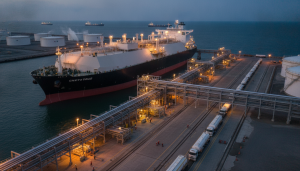
The protracted conflict has unleashed a torrent of instability across global markets, driving a relentless upward trajectory in both crude oil and gasoline prices. A principal catalyst for this market turmoil has been Iran’s strategic leverage over the Strait of Hormuz. This vital maritime artery, through which approximately one-fifth of the world’s total oil supply transits daily, has been largely inaccessible since the outbreak of hostilities. Its closure has not only choked off a significant portion of global energy exports but also injected an unprecedented level of uncertainty into the supply chain, forcing producers and consumers alike to contend with soaring transportation costs and heightened insurance premiums for the limited available shipping.
For the average consumer, the immediate impact has been palpable at the pump. Nationwide gasoline prices averaged roughly $4.24 per gallon on Thursday, according to figures released by AAA. This direct correlation between geopolitical unrest and consumer energy costs serves as a stark reminder of the interconnectedness of global affairs and domestic economics. Investors are keenly aware that sustained closure of the Strait, or any further escalation in the region, could propel these prices even higher, impacting inflation, consumer spending, and ultimately, broader economic growth prospects.
Navigating the Treacherous Waters of Negotiation
The current state of affairs is characterized by a tenuous ceasefire that has been precariously holding for several weeks, punctuated by a flurry of conflicting signals from both sides regarding the sincerity and progress of ongoing negotiations. The core demands from the United States center on a firm commitment from Iran to permanently abandon any pursuit of nuclear weaponry and to immediately reopen the Strait of Hormuz to international shipping. These are non-negotiable prerequisites for any lasting peace, aimed at securing regional stability and safeguarding global energy security.
Conversely, Iran’s demands underscore its national sovereignty and security concerns. Tehran insists on an immediate cessation of all hostilities across multiple fronts and a definitive end to the U.S. naval blockade of Iranian ports. The blockade has significantly hampered Iran’s ability to conduct international trade, exacerbating economic pressures and fueling domestic discontent.
The volatile nature of these diplomatic exchanges was evident earlier in the week. On Monday, Iranian state media disseminated reports indicating that Tehran’s negotiators intended to halt all talks and enforce a complete shutdown of the Strait of Hormuz. This aggressive posture sent shockwaves through energy markets, momentarily rekindling fears of a full-blown regional confrontation. However, just two days later, President Trump offered a contrasting perspective, announcing on Wednesday that Iran had, in fact, agreed not to pursue nuclear weapons. Such mixed messages create an environment ripe for speculation and swift market reactions, keeping commodity traders and long-term energy investors on constant alert.
Investor Vigilance: The Enduring Geopolitical Risk Premium
For astute investors in the oil and gas sector, these developments highlight the enduring geopolitical risk premium embedded in current energy prices. While President Trump’s willingness to meet with Ayatollah Khamenei offers a potential off-ramp from conflict, the path to a comprehensive deal remains long and uncertain. The continued closure of the Strait of Hormuz represents a tangible and immediate threat to global oil supply, underpinning high crude oil benchmarks. Any perceived progress towards an agreement could trigger a temporary easing of this premium, yet any setback or renewed hawkish rhetoric from either side will undoubtedly push prices higher once more.
Investors must continue to factor in the potential for rapid shifts in policy and sentiment. The fragility of the current ceasefire, coupled with the deeply entrenched and often contradictory demands of both nations, dictates a cautious approach. Monitoring the nuances of diplomatic exchanges, the flow of shipping through key chokepoints, and the broader regional security landscape will be paramount for making informed investment decisions in an energy market inextricably linked to the geopolitical chessboard of the Middle East. The stakes are profoundly high, not only for the stability of the region but for the trajectory of global energy markets and the world economy at large.