Europe’s Pre-Ban LNG Spree: A Strategic Paradox for Energy Investors
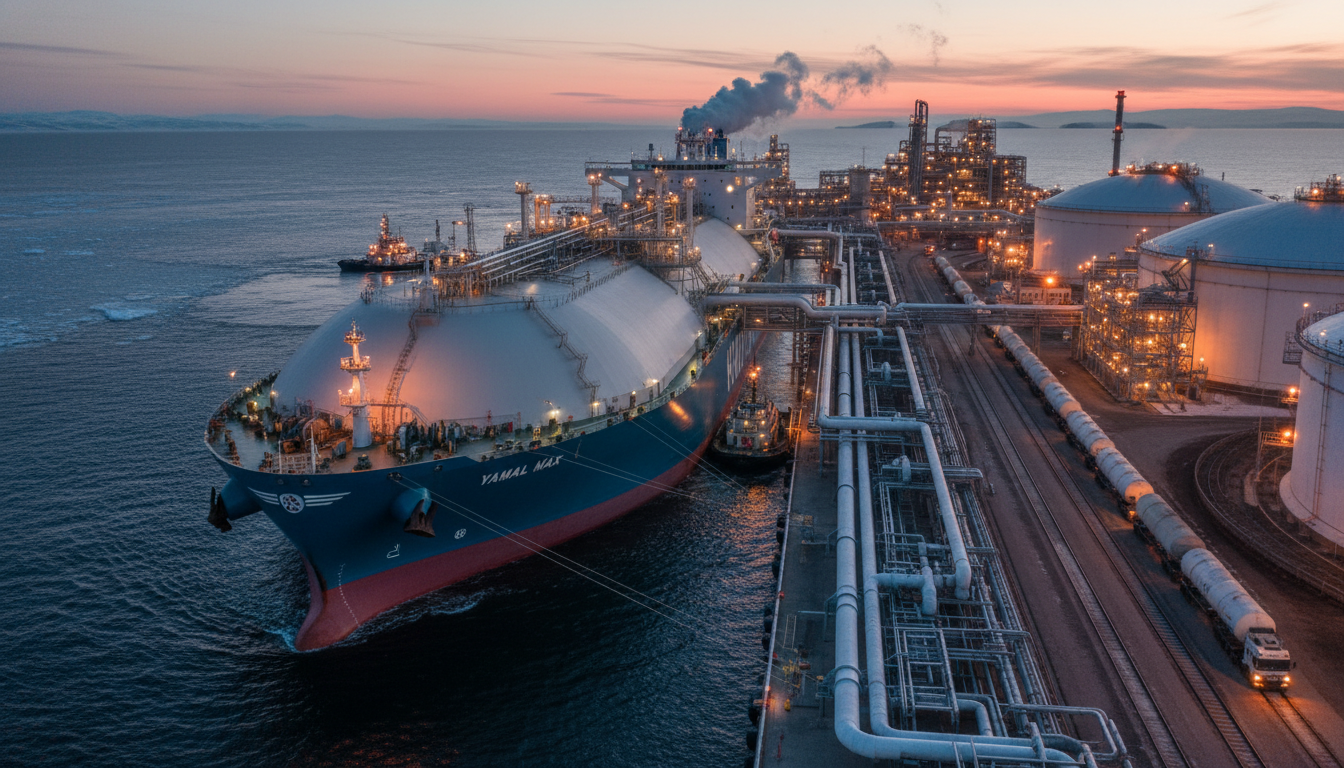
The European Union has dramatically accelerated its imports of Russian liquefied natural gas (LNG) from the Yamal project, reaching unprecedented levels in the first four months of 2026. This surge in procurement occurred just ahead of the bloc’s phased implementation of bans on Russian LNG, presenting a compelling and complex narrative for energy investors tracking global gas markets and European energy security.
Analysis of shipping data reveals a significant tactical shift, with nearly every cargo exported from Russia’s pivotal Yamal LNG facility docking at a European port during this period. Investors must note the stark figures: the EU welcomed an astonishing 91 LNG cargoes from Yamal between January and April 2026. This volume represents a substantial 17.2% increase compared to the corresponding period last year, marking a historical high. Indeed, market observers point out that Europe has not seen such a robust intake of Yamal LNG in the initial four months of any year since the project commenced operations in 2017, underscoring the urgency behind these recent transactions.
The EU’s Phased Exit: Navigating Supply and Sanctions
This aggressive procurement drive unfolds against the backdrop of Europe’s deliberate and escalating efforts to decouple from Russian energy. Effective April 25, 2026, the EU initiated a ban on Russian LNG spot contracts, a critical step within its broader strategy to cease all Russian gas imports by the close of 2027. This comprehensive plan outlines a full ban on LNG imports from Russia commencing at the start of 2027, with pipeline gas imports set to halt by the autumn of the same year. The current import surge, therefore, appears to be a calculated maneuver by European buyers to secure supply before more stringent restrictions take hold, highlighting the precarious balance between energy security and geopolitical mandates.
The data reinforces this pre-ban rush, indicating that an overwhelming 97% of all Yamal Arctic LNG deliveries in the first quarter of 2026 were directed to the EU. This concentrated purchasing behavior signals a determined effort by European utilities and energy companies to build inventory ahead of anticipated supply disruptions and price volatility. For investors, this pattern suggests that short-term demand for available LNG supplies remains robust in Europe, even as long-term policy aims to diversify away from Russian sources.
Price Pressures and Market Volatility: A Costly Transition
The significant increase in Russian LNG imports has not come without a substantial financial cost to Europe. Reports indicate that the bloc paid considerably inflated prices for these cargoes. This escalation was largely driven by a sharp, war-induced spike in natural gas prices observed in March, exacerbated by geopolitical events such as attacks impacting Qatar’s LNG infrastructure and disruptions to shipping routes through the Strait of Hormuz. These incidents introduced significant premiums into the global gas market, directly influencing the cost of securing Yamal LNG. This scenario underscores the profound sensitivity of gas prices to geopolitical risks and supply chain vulnerabilities, a crucial consideration for commodity traders and energy sector investors.
As Europe moves into its critical gas storage refilling season, the market faces heightened challenges. The combined impact of reduced Qatari LNG volumes, stemming from the earlier disruptions, and the new ban on spot purchases of Russian LNG, positions the continent for a potentially more expensive and volatile period. Investors should prepare for sustained price pressures and potential market fluctuations as Europe navigates its energy transition while simultaneously ensuring adequate winter gas supplies. The strategic imperative for European nations to secure non-Russian gas sources is intensified, driving competition for global LNG cargoes and impacting pricing dynamics.
Investor Outlook: Navigating the New European Gas Landscape
The unfolding situation in the European gas market presents a multifaceted landscape for investors. The immediate demand for LNG, evidenced by the Yamal surge, points to ongoing strong fundamentals for LNG liquefaction and regasification infrastructure. Companies involved in global LNG shipping, terminal operations, and long-term supply agreements stand to benefit from Europe’s sustained need for diversified gas imports. Furthermore, the push for energy security will likely accelerate investments in renewable energy projects and hydrogen infrastructure, as Europe seeks to diminish its overall reliance on imported fossil fuels.
However, the inherent volatility and the significant costs associated with disentangling from Russian gas sources also introduce considerable risk. Investors should closely monitor the development of new LNG export projects outside Russia, particularly in North America and Qatar, as these will be critical in balancing the global supply equation. The effectiveness of European energy policies, the pace of renewable energy deployment, and the evolving geopolitical environment will collectively shape the continent’s energy future and, by extension, the performance of investments across the oil and gas value chain. The strategic reorientation of Europe’s energy mix offers both considerable opportunities and pronounced challenges for the discerning investor.


