Shifting Energy Tides: CATL’s Sodium-Ion Leap and Its Ripple Effects on Oil & Gas Investment
The global energy landscape continues its rapid evolution, presenting both formidable challenges and intriguing opportunities for discerning investors in the oil and gas sector. While our core focus remains the dynamic hydrocarbon markets, significant advancements in other energy domains demand our attention. A recent development from Contemporary Amperex Technology Co. Ltd. (CATL), a dominant force in battery manufacturing, underscores this evolving paradigm: a substantial agreement to supply sodium-ion batteries, signaling a potential game-changer for grid-scale energy storage and, by extension, the entire energy complex.
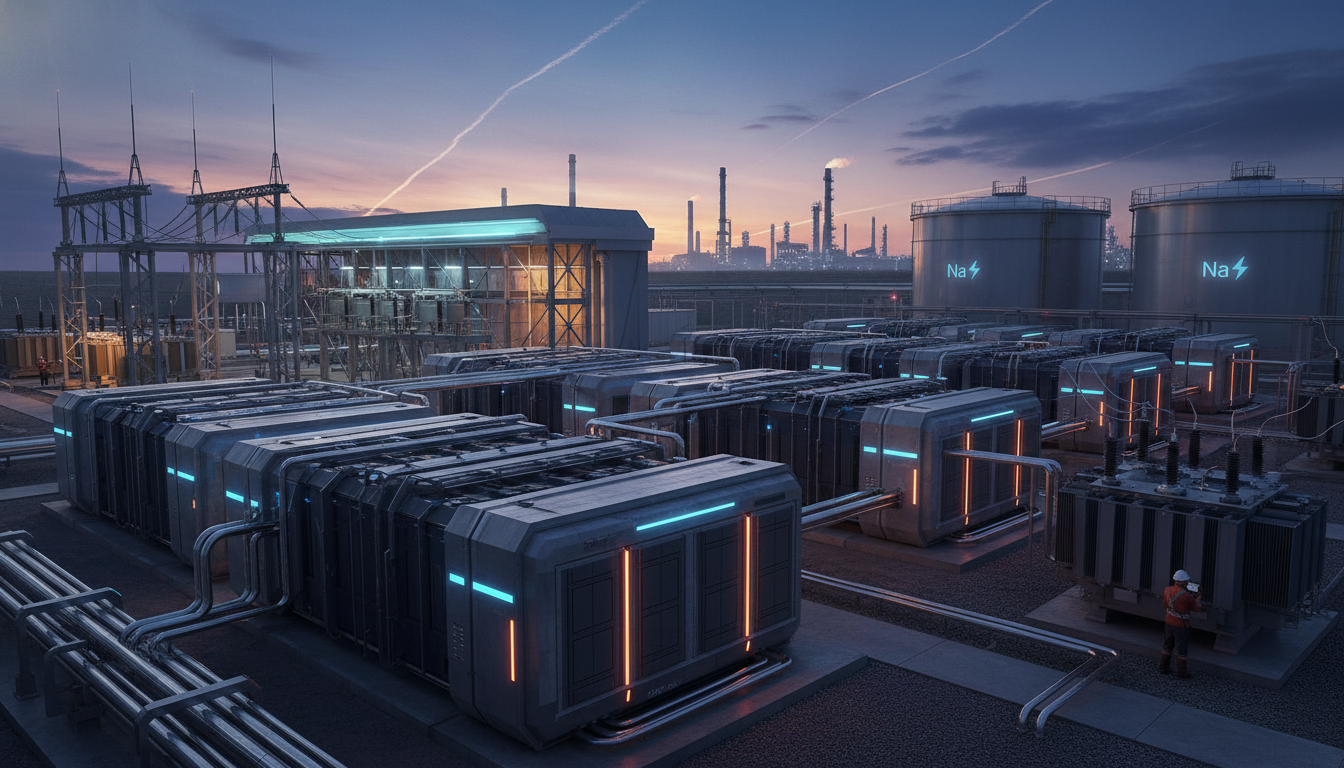
CATL, already recognized as the world’s leading producer of battery cells for energy storage systems according to a 2025 ranking by consultancy InfoLink, has announced a significant three-year deal with Beijing HyperStrong Technology, a prominent energy storage system manufacturer. This landmark agreement involves the delivery of 60 gigawatt-hours (GWh) of advanced sodium-ion batteries. While the financial specifics of the transaction remain undisclosed, the sheer scale of the commitment highlights a pivotal moment for sodium-ion technology, signaling its transition from research labs to large-scale commercial deployment.
For investors accustomed to the traditional energy sector, the immediate relevance might seem distant. However, the implications of robust, cost-effective, and safe energy storage solutions directly impact the demand profile for natural gas in power generation, grid infrastructure investment, and the overall competition for capital within the energy sector. As grids increasingly integrate intermittent renewable sources like wind and solar, the necessity for reliable backup and load balancing intensifies. Historically, natural gas peaker plants have filled this role. The rise of sophisticated battery storage introduces a new, formidable competitor into this critical segment.
Sodium-Ion Technology: A Strategic Alternative to Lithium?
CATL’s public statements confirm their success in overcoming significant hurdles in sodium-ion battery production, asserting their capability for widespread industrial-chain deployment and large-scale deliveries. Key technical enhancements include improvements in energy density and effective moisture control during manufacturing—factors critical for both performance and mass production. These breakthroughs are crucial, as they directly address barriers that have previously limited the commercial viability of alternatives to established lithium-ion chemistries.
From an investment perspective, the advantages of sodium-ion technology are particularly compelling, especially when viewed through the lens of commodity market stability. Unlike lithium-ion batteries, which rely on materials with often volatile pricing and concentrated supply chains, sodium-ion cells leverage a raw material—sodium—that is globally abundant and significantly less susceptible to price fluctuations. This inherent stability offers a buffer against the commodity price volatility that frequently impacts capital expenditure planning and operational costs across the energy sector, a factor well understood by oil and gas professionals.
Furthermore, preliminary research suggests that sodium-ion batteries may offer inherent safety advantages over their lithium-ion counterparts. In an industry where operational reliability and safety are paramount, any improvement in this area can significantly reduce long-term risk and enhance public acceptance, accelerating adoption rates in large-scale applications like grid storage or industrial facilities. For an energy sector increasingly scrutinized for its environmental and safety performance, such advancements are not merely technical footnotes but strategic differentiators.
Investment Implications for the Hydrocarbon Sector
The proliferation of cost-effective, high-capacity energy storage solutions like those offered by sodium-ion batteries will inevitably recalibrate the investment landscape. Oil and gas companies, particularly those with significant exposure to natural gas production and power generation, must closely monitor these developments. While natural gas remains a vital transitional fuel and continues to play a critical role in base-load power, the expanding capabilities of battery storage could diminish its role in capacity firming and peak shaving. This demands a strategic re-evaluation of long-term demand forecasts and asset valuations.
For integrated energy majors, this isn’t just a threat but also an opportunity. Companies with extensive landholdings could pivot some of these assets towards large-scale renewable energy projects paired with battery storage. Existing infrastructure, such as natural gas pipeline networks, might even find future applications in transporting hydrogen, which could be generated using excess renewable power and stored with advanced battery systems. The emphasis shifts from purely extracting and transporting hydrocarbons to managing and optimizing a diverse energy portfolio that includes storage, renewables, and potentially, hydrogen.
The massive 60 GWh deployment capacity over three years signals a clear market signal: grid-scale energy storage is no longer a niche technology but a rapidly maturing segment demanding serious capital allocation. The increasing demand for energy backup from intermittent renewables and the insatiable power appetite of data centers are robust growth drivers. These forces create a dynamic environment where traditional energy players must consider diversifying their investment strategies, exploring ventures into energy management, grid modernization, and advanced materials that underpin these new energy technologies.
Ultimately, the successful scaling of sodium-ion battery technology, as exemplified by CATL’s latest agreement, underscores a broader trend: the energy market is becoming increasingly multifaceted and interconnected. Investors in oil and gas must recognize that their sector does not exist in isolation. Innovations in battery technology, grid infrastructure, and renewable energy directly influence commodity prices, regulatory frameworks, and the competitive environment for capital. Monitoring these shifts, understanding their technological underpinnings, and adapting investment strategies accordingly will be paramount for sustained success in the evolving global energy economy.