The Paradox of High Oil Prices and Gulf Economic Contraction
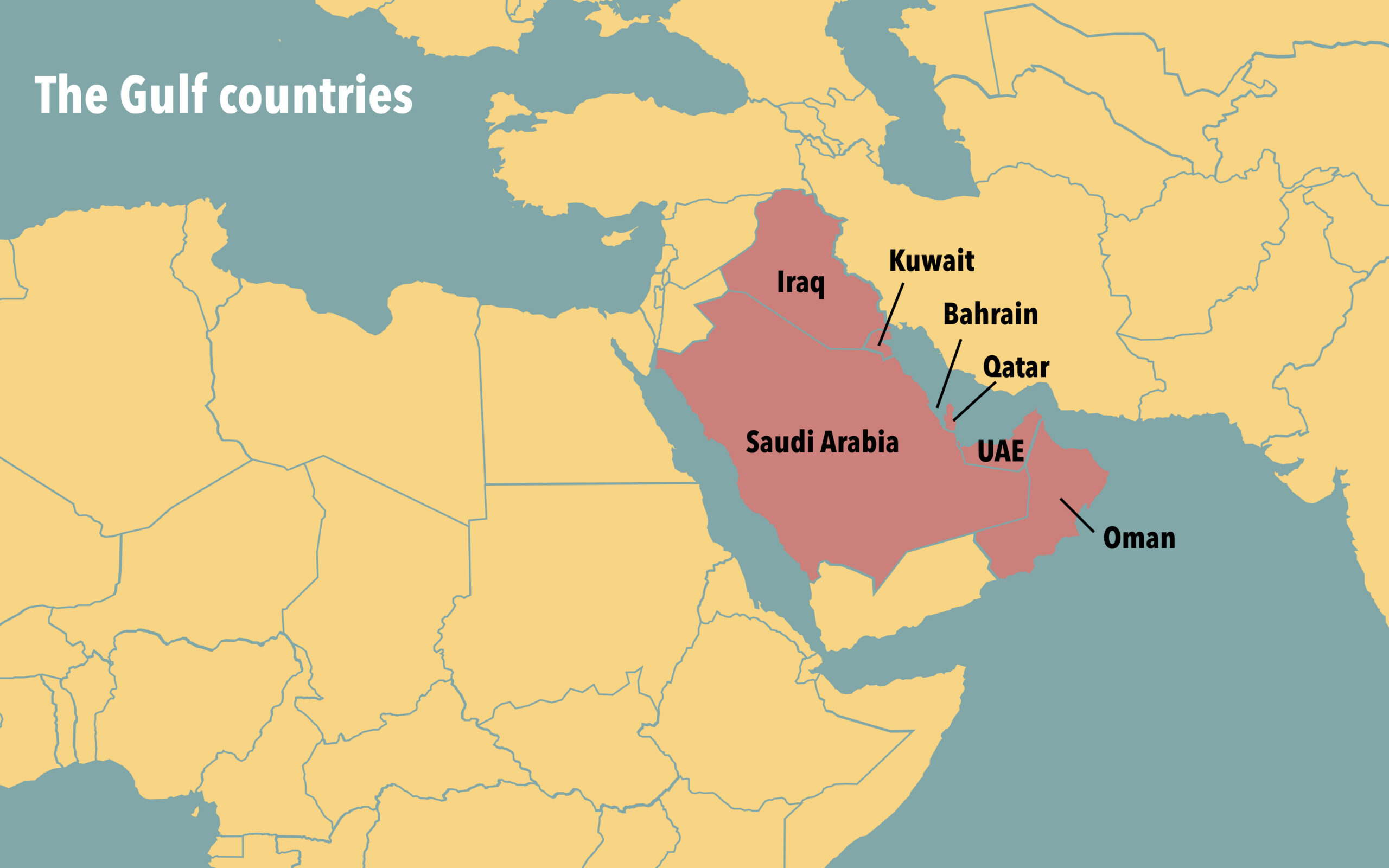
The Gulf Cooperation Council (GCC) nations are navigating their most challenging economic landscape since the global pandemic, a crisis exacerbated by intensifying geopolitical tensions that have profoundly impacted the vital energy sector. This situation presents a striking paradox for energy investors: while crude oil prices have soared, the traditional economic windfall for hydrocarbon-dependent states is not materializing. Instead, recent polls of economists reveal a stark reversal in growth forecasts for 2026, with several Gulf economies now projected to contract. This unprecedented decoupling of high prices from regional prosperity signals a new era of risk and opportunity for those invested in global energy markets.
Crippled Infrastructure Undermines Price Gains Amidst Market Volatility
The core of this economic instability lies in significant disruptions to the energy market’s physical infrastructure and critical transit routes. A near-total closure of the Strait of Hormuz, the maritime choke point through which a staggering one-fifth of global energy supply transits, has created an unprecedented supply shock. This, coupled with reports of damage to key refineries and gas processing plants across Saudi Arabia, the United Arab Emirates (UAE), Kuwait, and Qatar, has effectively crippled the region’s capacity to capitalize on soaring crude oil prices.
As of today, Brent crude trades at $110.72, showing a modest 0.29% gain within a day range of $110.49 to $112.43. Meanwhile, WTI crude sits at $104.59, down 0.46% for the day, trading between $104.38 and $106.65. This current market snapshot follows a significant upward trend, with Brent climbing $12.34, or 12.4%, from $99.36 on April 13th to $111.70 just yesterday. Despite this robust price appreciation, the physical ability of these nations to maintain production and export volumes is severely hampered. This directly translates into diminished economic output, fundamentally altering the revenue streams investors might typically expect from such high commodity prices. The scenario draws unsettling parallels to the supply shocks of the 1970s, signaling a period of heightened volatility and uncertainty for oil and gas investments globally.
Dramatic Economic Revisions and Persistent Geopolitical Headwinds
The impact of these disruptions is reflected in dramatic downgrades of 2026 growth expectations, as highlighted by a recent economist poll conducted between April 8th and 24th. Qatar’s economy, initially projected for robust 4.9% growth, is now forecast to shrink by a substantial 6.0%. Kuwait’s outlook has flipped from a projected 3.4% expansion to a 4.4% contraction, and Bahrain moves from 2.9% growth to a 2.9% shrinkage. Even regional powerhouses like the UAE face stagnation, a sharp decline from the 5.0% expansion predicted just three months prior. Saudi Arabia, the world’s largest crude exporter, and Oman have also seen their forecasts significantly trimmed, now anticipating growth of 2.6% (down from 4.3%) and 2.2% (down from 3.5%), respectively.
These revisions underscore a critical concern for investors, who are actively questioning the stability of global oil supply. Our proprietary data indicates that investors are keenly interested in understanding which OPEC+ members might be over-producing this month, and how current geopolitical tensions, such as the stalled broader US-Iran negotiations and the fragile Israel-Lebanon ceasefire extension, factor into the overall supply picture. The ongoing regional conflicts that underpin the Strait of Hormuz closure and infrastructure attacks contribute significantly to the perceived geopolitical risk premium embedded in crude benchmarks. The US’s stance on not rushing a deal with Iran and Iran’s insistence on the lifting of port blockades highlight the deep-seated nature of these conflicts, suggesting that this elevated risk environment will likely persist and continue to challenge traditional investment theses in the region.
Navigating Near-Term Volatility: Upcoming Catalysts for Energy Investors
The immediate future holds several key data releases and events that will be crucial for energy investors seeking to understand the evolving supply-demand dynamics and build a robust base-case Brent price forecast for the next quarter. The market is actively scrutinizing the weekly trend for crude oil, particularly given the current supply uncertainties emanating from the Gulf.
This Friday, May 1st, brings the Baker Hughes Rig Count, an essential gauge of drilling activity. This will be swiftly followed by the EIA Short-Term Energy Outlook on Saturday, May 2nd, which will offer updated projections for global oil supply and demand. Next week, market participants will closely watch for the API Weekly Crude Inventory on Tuesday, May 5th, and the EIA Weekly Petroleum Status Report on Wednesday, May 6th, both providing critical insights into U.S. crude and product inventories. Further out, Tuesday, May 12th, will see the release of the IEA Oil Market Report, offering a comprehensive global perspective on supply, demand, and inventory balances. These reports will be intensely scrutinized for signs of demand destruction, inventory builds or draws amidst disrupted supply, and any shifts in global supply dynamics that could offset or exacerbate the GCC’s production woes. For investors tracking WTI crude in various trade platforms, these fundamental data points are indispensable for risk assessment and position adjustments in an increasingly volatile market.
Strategic Implications for Global Energy Portfolios
The current crisis in the Gulf demands a fundamental re-evaluation of investment strategies within the energy sector. This is not merely a transient price fluctuation but a structural shift in the risk profile of a major global supply hub. The vulnerability of critical choke points like the Strait of Hormuz and regional processing infrastructure underscores the imperative for diversified supply sources and robust logistical resilience. Investors should consider the sustained geopolitical risk premium now embedded in crude oil prices as a persistent factor. This suggests that while prices may remain elevated, the ability of traditional producers to fully capitalize on them is compromised, potentially benefiting producers in more stable regions or those with diversified export routes. Furthermore, the damage to refining capacity within the Gulf could lead to tighter refined product markets globally, creating potential opportunities for refiners outside the immediate conflict zone. Forward-thinking investors will integrate these complex geopolitical and supply chain risks into their portfolio construction, prioritizing companies that demonstrate resilience, strategic diversification, and adaptability in this new, volatile energy landscape.