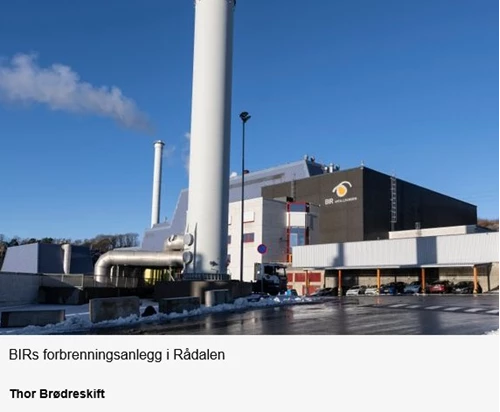
The global energy landscape continues its dynamic shift, placing increasing pressure on traditional oil and gas companies to demonstrate resilience and adaptability. Amidst this evolution, Carbon Capture, Utilization, and Storage (CCUS) emerges not merely as an environmental imperative, but as a critical de-risking strategy for O&G investments. While the technical feasibility of CCUS is largely established, the economic viability of projects often hinges on clear, stable policy frameworks. Recent developments highlight this paradox: ambitious CCUS initiatives, despite their technical readiness and significant climate potential, face hurdles due to uncertain support schemes and regulatory ambiguity. For investors navigating the complexities of the energy transition, understanding these challenges and opportunities is paramount to safeguarding and growing capital in the sector.
The CCUS Imperative: Technical Readiness Meets Policy Uncertainty
The case for CCUS as a vital component of the energy transition is increasingly clear, particularly for industrial emitters where decarbonization alternatives are limited. Consider the project by BIR in Rådalen, Bergen, involving a waste incineration plant – a facility critical for managing residual waste and supplying approximately 10 percent of Bergen’s energy needs, as well as serving local emergency preparedness. This plant is also the city’s largest point source of CO2 emissions. Extensive development, supported by entities like Eviny Termo and Enova, has proven the technical possibility of capturing between 100,000 and 130,000 tonnes of CO2 annually. Crucially, about half of this is biogenic CO2, offering the potential for significant negative emissions over the plant’s lifetime, totaling several million tonnes of CO2. Yet, despite this technical maturity and environmental benefit, the project faces indefinite delays. The roadblock isn’t a lack of expertise or technological capacity, but rather a volatile policy environment: inconsistent support schemes, unclear future tax implications, and an absence of definitive frameworks for CO2 transport and storage. This illustrates a recurring theme for O&G investors: while the industry possesses the engineering prowess for CCUS, the absence of robust, long-term policy instruments creates an unacceptable level of financial risk for even the most promising ventures.
Market Dynamics Reinforce the Need for Diversification and De-risking
The current market snapshot underscores the inherent volatility in traditional oil and gas commodities, reinforcing why investors must consider de-risking strategies like CCUS. As of today, Brent Crude trades at $111.78, reflecting a 1.25% gain, with a daily range between $110.86 and $112.43. Similarly, WTI Crude stands at $105.9, up 0.79% within a $104.98-$106.65 range. This upward movement is part of a broader trend; Brent has surged by $12.34, or 12.4%, from $99.36 just two weeks ago on April 13th to its current level. Such rapid price fluctuations, driven by geopolitical events, supply concerns, and shifting demand patterns, highlight the vulnerability of portfolios heavily reliant on upstream production. Gasoline prices, currently at $3.65 and up 1.11% today, further reflect these pressures. For O&G companies, investing in CCUS not only aligns with decarbonization goals but also offers a pathway to diversify revenue streams, reduce carbon liabilities, and enhance long-term asset value. It’s a strategic move to build resilience against market cycles and increasingly stringent environmental regulations, transforming carbon emissions from a liability into a potential asset or, at the very least, a managed cost.
Upcoming Events and Policy Catalysts for CCUS Investment
While policy uncertainty remains a significant hurdle, the coming weeks present several opportunities for investors to gauge the evolving landscape for energy markets and, by extension, CCUS viability. Key upcoming events will offer insights into global supply-demand dynamics and potential shifts in regulatory discourse. The Baker Hughes Rig Count, scheduled for May 1st and again on May 8th, provides an immediate pulse on upstream activity. More critically for strategic planning, the EIA Short-Term Energy Outlook on May 2nd and the IEA Oil Market Report on May 12th will offer comprehensive analyses and forecasts for crude oil, natural gas, and refined products. These reports often highlight the growing pressure on fossil fuel producers to reduce emissions, indirectly influencing policy discussions around CCUS incentives. For instance, if these reports project continued robust demand for hydrocarbons alongside increasing carbon pricing pressures, it could accelerate the push for more predictable CCUS support mechanisms. Investors should closely monitor these publications for any signals regarding government attitudes towards decarbonization technologies and potential legislative developments that could clarify the financial framework for CCUS projects. A clear regulatory environment, alongside stable support schemes and defined pathways for CO2 transport and storage, is the catalyst needed to unlock significant private capital for CCUS, transforming perceived risk into tangible investment opportunities.
Investor Sentiment and the Long-Term Value Proposition
Our proprietary reader intent data reveals a keen investor focus on the fundamentals of the crude oil market, alongside a growing awareness of broader energy transition themes. Questions such as “Which OPEC+ members are over-producing this month?”, “2026 weekly trend for crude oil,” and requests to “Build a base-case Brent price forecast for next quarter” underscore a preoccupation with short-to-medium term market dynamics. However, juxtaposed against these traditional concerns, the underlying challenge for O&G companies is how to sustain long-term value in a carbon-constrained world. This is where CCUS becomes a critical component of a robust investment thesis. By enabling the continued operation of essential industrial facilities, like the Bergen waste-to-energy plant, while drastically reducing their environmental footprint, CCUS can extend the economic life of assets that might otherwise face obsolescence or punitive carbon taxes. For investors, this means that companies demonstrating a credible CCUS strategy are not just ticking ESG boxes; they are actively mitigating future operational and financial risks, thereby enhancing the resilience of their cash flows and the attractiveness of their equity. Integrating CCUS into capital allocation strategies helps bridge the gap between immediate market concerns and the imperative for sustainable growth, offering a more stable and predictable return profile in an increasingly uncertain energy future.