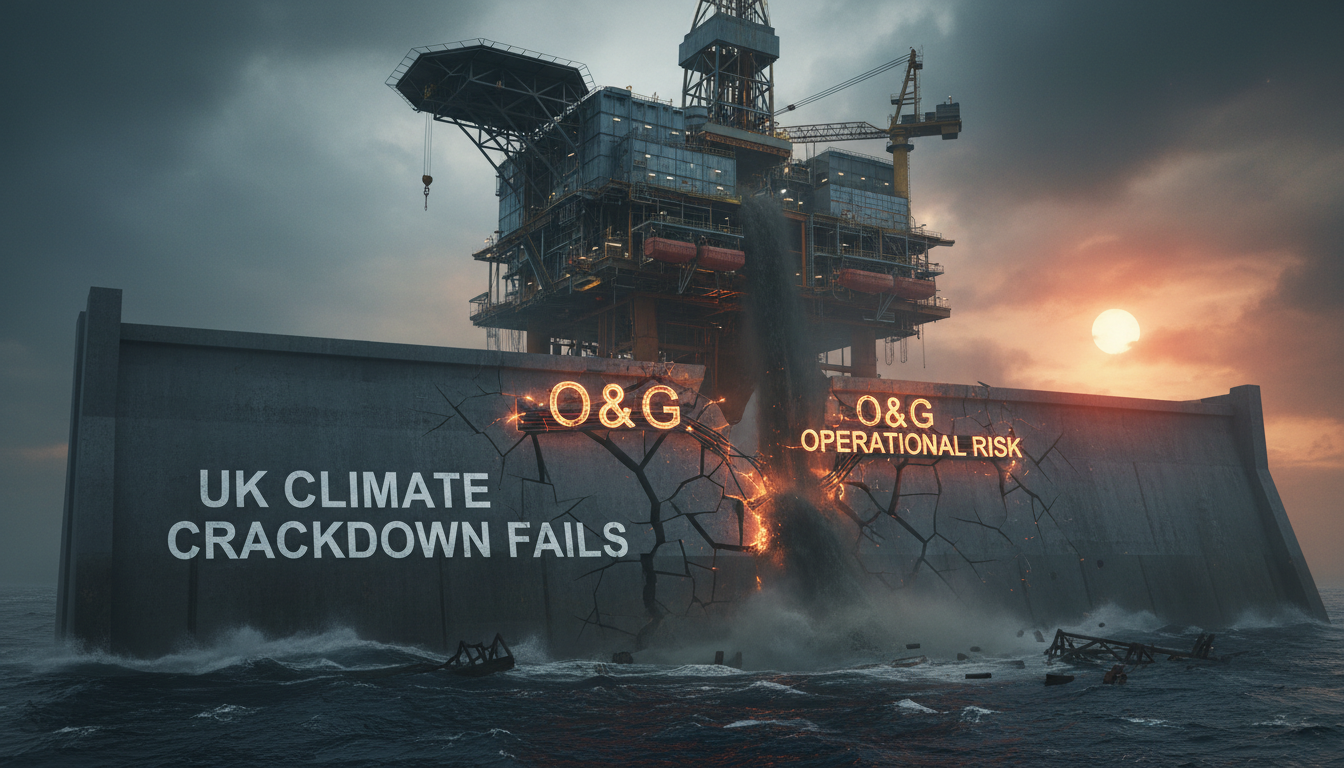
The global energy sector continues to navigate a complex array of challenges, with climate activism emerging as a potent force directly impacting operational stability, project timelines, and ultimately, shareholder value. For astute investors, understanding the evolving tactics and underlying drivers of these movements is no longer an ancillary consideration but a critical component of risk assessment. Recent analytical findings, particularly concerning the United Kingdom’s approach to environmental protests, suggest a counterintuitive and concerning trend: punitive legal measures, far from deterring activists, may be inadvertently fostering deeper radicalization and a greater resolve for disruptive actions. This “repression paradox” presents a significant and escalating operational risk for energy companies, demanding a re-evaluation of how investor portfolios are insulated against such volatile human factors.
The Repression Paradox: Fueling, Not Fading, Activism
New research involving a substantial cohort of campaigners reveals a striking and counterproductive outcome of state repression. Contrary to theories suggesting a deterrent effect, the criminalization of direct action appears to embolden, rather than diminish, the determination of environmental activists. The evidence strongly indicates that arrests, substantial fines, and lengthy prison sentences imposed on non-violent climate protesters for actions such as road blockades or property damage are actively contributing to their radicalization. This phenomenon creates a challenging landscape for energy firms, as it portends a potentially sustained or even intensified period of disruption to infrastructure and operations.
The study meticulously analyzed the emotional responses of activists to both experienced and anticipated repression. A critical conclusion emerged: those who had already faced legal repercussions—such as jail time, fines, arrests, or surveillance—reported a diminished fear of engaging in future disruptive actions. This experienced cohort becomes more resilient and less susceptible to traditional deterrents. For campaigners without prior experience of repression, their reactions were bifurcated. Individuals who felt anger or contempt towards the prospect of state intervention reported strengthened intentions to participate in future protests, effectively becoming galvanized. Conversely, only those for whom the idea of repression induced fear exhibited a weakened intent to act. This emotional divergence highlights a crucial insight for investors: the prevailing policy framework risks creating a cohort of increasingly fearless and dedicated activists, potentially leading to more persistent and impactful disruptions targeting the energy sector. Researchers even hypothesize that this repression could be a driving force behind more clandestine actions, including recent incidents like internet cable sabotage, hinting at an escalating and diversifying threat landscape for critical infrastructure assets.
Market Resilience Amidst Rising Tensions & Investor Focus
Even as operational risks from activism intensify, the broader crude market demonstrates robust performance. As of today, Brent crude trades at $112, marking a 1.45% gain, with WTI not far behind at $106.13, up 1.01%. Gasoline prices also show strength, standing at $3.66, a 1.11% increase. This upward trajectory is consistent with the significant 12.4% rise in Brent over the past 14 days, climbing from $99.36 on April 13th to $111.7 on April 30th. Such a strong market environment might seem to overshadow localized operational risks, but investors must look deeper.
Our proprietary data indicates that OilMarketCap.com readers are keenly focused on understanding the 2026 weekly trend for crude oil and building base-case Brent price forecasts for the next quarter. There is also significant interest in OPEC+ member compliance and potential over-production, reflecting a global supply-demand focus. While these macro factors undeniably drive price action, the “repression paradox” introduces a dynamic that directly impacts the micro-level operational efficiency and supply reliability of individual projects and companies. A pipeline blockade, a refinery disruption, or even prolonged protests at an export terminal, while perhaps not moving global benchmarks like Brent significantly, can severely impact a company’s bottom line and investor confidence, particularly in a market where every barrel counts. The rising price environment underscores the potential for greater financial impact from any supply disruption, however localized.
Forward-Looking Implications: Beyond the UK’s Borders
The findings from the UK are not merely an isolated case study but serve as a critical warning for the global energy investment landscape. As other nations grapple with increasing climate pressure and consider similar punitive measures against activists, the potential for this “repression paradox” to manifest elsewhere grows. Investors must assess not just the current regulatory environment but also the political trajectory of regions where their portfolio companies operate. A shift towards more aggressive legal frameworks could inadvertently cultivate a more determined and disruptive activist base, leading to unforeseen operational headaches and capital expenditure re-allocations.
Looking ahead, the next two weeks bring several key data releases that will shape the broader market narrative. The EIA’s Short-Term Energy Outlook on May 2nd, followed by the IEA Oil Market Report on May 12th, will offer macro-level insights into global supply and demand. However, these reports typically do not quantify the granular, localized risks posed by radicalized climate activism. Weekly data points like the Baker Hughes Rig Count (May 1st, May 8th) and API/EIA Crude Inventory reports (May 5th/6th, May 12th/13th) will provide snapshots of production and storage, but even these can be impacted by direct action. Investors should integrate this activism risk into their forward-looking models, recognizing that even minor, persistent disruptions can accumulate, affecting regional supply balances and potentially pushing up localized prices or project costs, thereby eroding shareholder returns over the long term. A proactive approach to risk assessment, extending beyond traditional geopolitical and economic factors, is now paramount.
Mitigating Risk & Strategic Considerations for O&G Investors
In light of this evolving threat landscape, oil and gas investors must adopt a more nuanced and comprehensive approach to risk management. Relying solely on conventional security measures may prove insufficient against an increasingly determined and potentially radicalized activist movement. Companies need to conduct thorough vulnerability assessments, identifying critical infrastructure points and developing robust contingency plans for potential disruptions, including those from clandestine activities. This extends to supply chain diversification and ensuring resilience across the entire operational footprint.
For investors, due diligence must expand to include an evaluation of a company’s community engagement strategies and its approach to navigating environmental and social governance (ESG) pressures. Companies that demonstrate proactive dialogue, transparency, and a genuine commitment to sustainable practices may be better positioned to mitigate the risks of radicalized activism, or at least manage the public perception surrounding such incidents. Furthermore, understanding the specific legal and political climate in each operating jurisdiction is vital. Investing in companies operating in regions with a history of disproportionate legal responses to activism might implicitly carry a higher, albeit often unquantified, operational risk premium. Ultimately, integrating this complex human element into investment theses and recognizing the potential for policy backlash to fuel, rather than quell, disruption is no longer optional but a strategic imperative for safeguarding long-term value in the energy sector.


