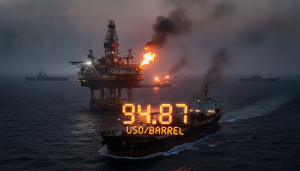
Geopolitical Tensions Drive Oil Markets: Hormuz Standoff Intensifies Investor Scrutiny
Global energy markets remain on edge as the United States and Iran inch closer to further diplomatic engagements aimed at extending a precarious ceasefire. This renewed push for dialogue unfolds against a backdrop of persistent volatility in the Strait of Hormuz, a critical maritime choke point that continues to disrupt international oil flows and fuel investor uncertainty.
Following initial discussions, reports indicate both nations have reached an “in principle” understanding to pursue additional diplomatic efforts. Mediators are actively working to iron out contentious issues before the existing truce lapses, with a primary focus expected to center on Iran’s nuclear ambitions and the ongoing maritime standoff in the Gulf region.
The Strait of Hormuz: A Bottleneck of Global Significance
Despite these overtures towards de-escalation, the situation within the Strait of Hormuz remains highly volatile, casting a long shadow over global oil supply. A robust naval blockade, enforced by U.S. forces to curb Iranian crude exports, is now fully operational. Simultaneously, Iran has maintained its restrictions on access to the vital waterway, effectively curtailing broader commercial shipping activity through the strait.
This strategic maritime corridor, through which approximately one-fifth of the world’s crude oil and liquefied natural gas (LNG) supplies typically transit, has been largely inaccessible to international traffic since the onset of the conflict. The resulting severe supply disruption reverberates across the energy sector. Tanker movements have faced significant constraints, forcing numerous vessels to abandon their routes or embark on lengthy detours. This ongoing logistical challenge underscores the precariousness of global energy security when such vital arteries are compromised.
Oil Prices Reflect Heightened Risk and Supply Concerns
Amidst this climate of geopolitical friction and supply chain impediments, crude oil prices continue their upward trajectory, signaling deep market apprehension. Brent crude, the international benchmark, recently traded just shy of $96 per barrel. This represents a substantial increase from pre-conflict levels, directly reflecting the intensified concerns among investors regarding global supply availability and the mounting risks associated with transporting energy commodities through the Middle East.
The elevated price point incorporates a significant geopolitical risk premium, as traders and refiners factor in potential future disruptions and the increased cost of insuring voyages through the region. This sustained upward pressure on prices highlights the market’s sensitivity to any perceived threat to supply, especially from a region as pivotal as the Persian Gulf.
Infrastructure Damage Complicates Recovery Efforts
The standoff has not only impacted shipping but has also inflicted physical damage on crucial energy infrastructure across the Gulf. This material harm further complicates any prospective efforts to restore normal export flows, even if a comprehensive resolution to the shipping crisis emerges. Analysts caution that even with an immediate resumption of free passage through Hormuz, a considerable lag is inevitable before supply chains can normalize and global inventories can be adequately replenished. This delay could extend the period of market tightness and elevated prices, posing continued challenges for oil-importing nations and industrial consumers.
For investors, the extent of infrastructure damage introduces another layer of uncertainty, impacting the long-term outlook for regional production capacity and export reliability. Companies with assets or significant operations in the Gulf face increased scrutiny regarding their operational continuity and resilience against geopolitical shocks.
A Fragile Diplomatic Dance Underpins Market Stability
While U.S. officials have expressed optimism, suggesting that the conflict may be nearing its conclusion, Iranian counterparts have issued stark warnings. They maintain that the continued enforcement of the naval blockade could fundamentally undermine the delicate ceasefire, jeopardizing the hard-won progress in negotiations. These opposing stances vividly illustrate the extremely fragile nature of the current diplomatic efforts and the high stakes involved for global energy stability.
The outcome of these pivotal upcoming talks will be meticulously scrutinized by oil and gas investors worldwide. Any resolution that restores free passage through the Strait of Hormuz would likely ease supply fears and temper price volatility. Conversely, an escalation of tensions or a breakdown in negotiations could trigger another significant spike in crude oil prices, forcing companies to re-evaluate their supply strategies and investment portfolios. The immediate future of global oil supply balances and price stability hinges directly on the path these critical discussions ultimately take.