Iran Considers Strategic Oil Shipment Pause: What It Means for Global Crude Markets
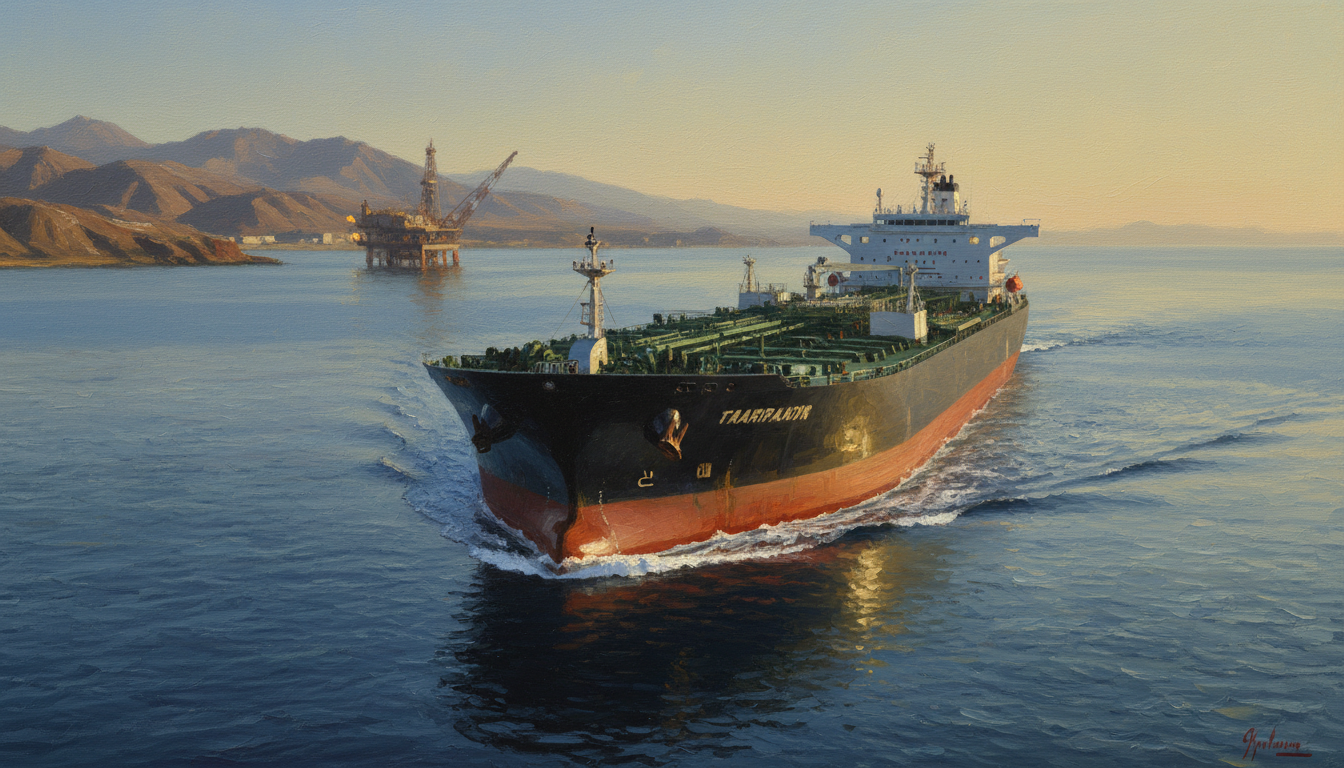
The geopolitical chessboard in the Middle East is once again dictating the pulse of global oil markets. Investors are closely scrutinizing reports indicating that Iran is weighing a temporary suspension of its own crude oil shipments through the critical Strait of Hormuz. This potential, short-term pause represents a calculated maneuver by Tehran, aimed at de-escalation and preventing any maritime confrontation with the U.S. naval blockade in the sensitive days leading up to another round of ceasefire negotiations. The objective is clear: navigate the coming week without an incident at sea that could derail nascent diplomatic efforts, yet the implications for an already stressed crude supply chain are profound.
For weeks, as regional tensions flared, Iran has stood almost alone among nations continuing to move crude through the Strait of Hormuz. Most other non-Iranian shipping traffic has already significantly curtailed operations in the choke point, largely in response to the tightening U.S. naval enforcement. This leaves a remarkably thin stream of Iranian barrels as one of the few consistent flows through this vital waterway. Should these remaining shipments cease, even for a brief period, the physical crude market, already devoid of meaningful spare capacity or systemic slack, faces immediate and significant tightening.
The Futures Market Disconnect: Optimism vs. Reality
Interestingly, the initial reaction from the paper market diverged sharply from the expected response to an impending supply squeeze. Brent crude futures, the international benchmark, actually saw a decline of approximately $1.55, settling just below $98 per barrel following the news. This seemingly counterintuitive move suggests that the financial market is currently prioritizing the potential for successful diplomatic talks and the subsequent normalization of energy flows, rather than reacting to the immediate prospect of curtailed supply. This creates a widening chasm between the underlying scarcity in physical crude barrels and the forward curve’s persistent assumption that current market tightness is ephemeral.
This market behavior presents a crucial dilemma for energy investors. While physical demand remains robust and supply struggles to keep pace, the futures market’s optimistic pricing of geopolitical resolution could mask significant near-term volatility. The forward curve’s reliance on a future normalization of flows suggests a betting against sustained scarcity, a position that may prove precarious given the inherent unpredictability of geopolitical developments and the already stretched global energy supply chains. For those tracking energy investments, understanding this divergence is paramount.
Analyst Perspectives and Long-Term Price Floors
Despite the immediate dip in futures, leading financial institutions continue to project a strong price environment for crude. Australia-based ANZ bank, for instance, has reiterated its forecast that Brent crude will maintain prices above $90 per barrel for the remainder of the year. The bank highlighted that even without a “worst-case scenario” unfolding, current market fundamentals and ongoing supply constraints are sufficient to justify these elevated price predictions. This analyst consensus underscores the deep-seated bullish drivers in the crude oil complex, even as short-term geopolitical headlines induce temporary market fluctuations.
Investors should view these long-term price floor predictions as a testament to the structural tightness in global oil supply. Factors such as underinvestment in upstream exploration and production, persistent OPEC+ discipline, and robust demand recovery continue to provide a firm foundation for crude prices. Therefore, while immediate market reactions to geopolitical news can be swift and sometimes contradictory, the broader outlook for oil price stability at elevated levels remains intact, offering a compelling long-term thesis for energy sector investment.
The Inherent Risk: Iran’s Unfixed Calculus and Escalation Potential
It is vital for investors to recognize that Iran’s current calculus regarding the halt of shipments is not immutable. The Islamic Revolutionary Guard Corps (IRGC) could, at any point, opt to test the U.S. naval blockade. Such a provocative act would demonstrate their capacity to challenge restrictions without immediate, severe repercussions. This alternative scenario carries the potential for immediate and dramatic market repercussions. A direct challenge to the blockade would undoubtedly trigger an immediate tightening of global oil flows and inject a significant risk premium back into the front end of the crude forward curve, causing prices to spike rapidly.
For now, however, Tehran appears to be prioritizing strategic control and de-escalation, aiming to foster an environment conducive to ongoing peace talks. This preference for a temporary pause is designed to lower the probability of an escalating maritime incident while diplomatic channels remain open. Despite this, the market remains highly vigilant, meticulously tracking every single tanker movement and cargo. Each cargo that fails to materialize on schedule directly impacts global oil balances, which are already critically tight. This constant surveillance underscores the fragility of the current supply situation and the significant leverage Iran holds over a crucial energy artery.
Navigating the Volatile Waters: Investor Takeaways
The current situation in the Strait of Hormuz serves as a potent reminder of the inherent geopolitical risks embedded within crude oil investing. While the immediate market reaction to Iran’s potential pause was muted, the underlying physical market dynamics point to acute tightness. Investors must monitor not only the progress of ceasefire talks but also the real-time tanker traffic data. The widening divergence between the paper market’s optimism and the physical market’s scarcity creates both risk and opportunity.
A successful de-escalation could see the paper market’s outlook validated, potentially moderating price volatility. Conversely, any miscalculation or deliberate provocation from Iran’s IRGC would swiftly reintroduce a substantial risk premium, sending crude prices significantly higher. Therefore, strategic investors in the energy sector must remain agile, prepared for rapid shifts in market sentiment and pricing based on the nuanced interplay of geopolitics and fundamental supply-demand balances in this critical region.


