Eni’s Strategic Pivot: Fueling the Battery Revolution with a $70 Million Graphite Bet
In a significant strategic move echoing the broader energy transition sweeping through the industry, Italian energy giant Eni SpA has committed a substantial $70 million equity investment into Nouveau Monde Graphite Inc (NMG). This capital injection, coupled with a forward order for 15,000 tonnes per annum (tpa) of graphite concentrate from NMG’s Matawinie Mine project in Canada, signals a clear intent by Eni to aggressively diversify its operational footprint beyond traditional oil and gas. For investors tracking the evolving energy landscape, this move is not merely an acquisition but a calculated entry into the critical minerals value chain, essential for the burgeoning electric vehicle and stationary storage markets. It represents a tangible step in Eni’s strategy to secure vital feedstocks for its own ambitious battery manufacturing initiatives, positioning the company at the forefront of both traditional and new energy frontiers.
De-Risking the Energy Transition: Eni’s Critical Minerals Play
Eni’s investment in NMG is a direct response to the increasing demand for critical minerals, particularly graphite, which is a key component in lithium-ion batteries. The company explicitly stated that this move aligns with its strategy to diversify supply chains, leveraging its technological know-how to enter a crucial sector. Our proprietary reader intent data reveals a consistent investor focus on questions like “what do you predict the price of oil per barrel will be by end of 2026?” and “is WTI going up or down?”. These inquiries underscore a pervasive uncertainty about the long-term trajectory of hydrocarbon markets. Eni’s strategic pivot directly addresses these concerns by establishing a foothold in a sector with robust growth projections, thereby de-risking its portfolio against potential volatility in its core business. By securing exclusive supply agreements for graphite and active anode material, Eni is building resilience into its future operations, ensuring feedstock availability for its Gigafactory initiative focused on stationary lithium batteries.
The Graphite Gambit: Specifics and Market Context
The financial specifics of Eni’s commitment to NMG are noteworthy: a $70 million equity stake will grant Eni approximately 11.5 percent of NMG’s share capital, along with a coveted board seat. This partnership provides Eni with direct influence and insight into the development of NMG’s Matawinie Mine, located 120 kilometers north of Montréal, which is poised to become a significant source of high-quality natural graphite. The ordered 15,000 tpa of graphite concentrate from Matawinie’s Phase 2 will underpin Eni’s battery manufacturing efforts. This forward-thinking investment stands in stark contrast to the immediate fluctuations dominating traditional energy markets. As of today, Brent crude trades at $95.48, reflecting a significant daily gain of 5.64%, with WTI similarly up at $87.32, marking a 5.73% increase. While these daily surges capture headlines, the underlying trend reveals a more volatile picture; Brent, for instance, experienced a notable decline of nearly 20% in the 14 days leading up to April 17th, dropping from $112.78 to $90.38. This inherent volatility in crude prices underscores the strategic wisdom behind Eni’s move to secure critical minerals, hedging against the unpredictable nature of its conventional energy markets with a long-term play in battery feedstocks.
Powering the Future: Eni’s Brindisi Gigafactory and Strategic Timeline
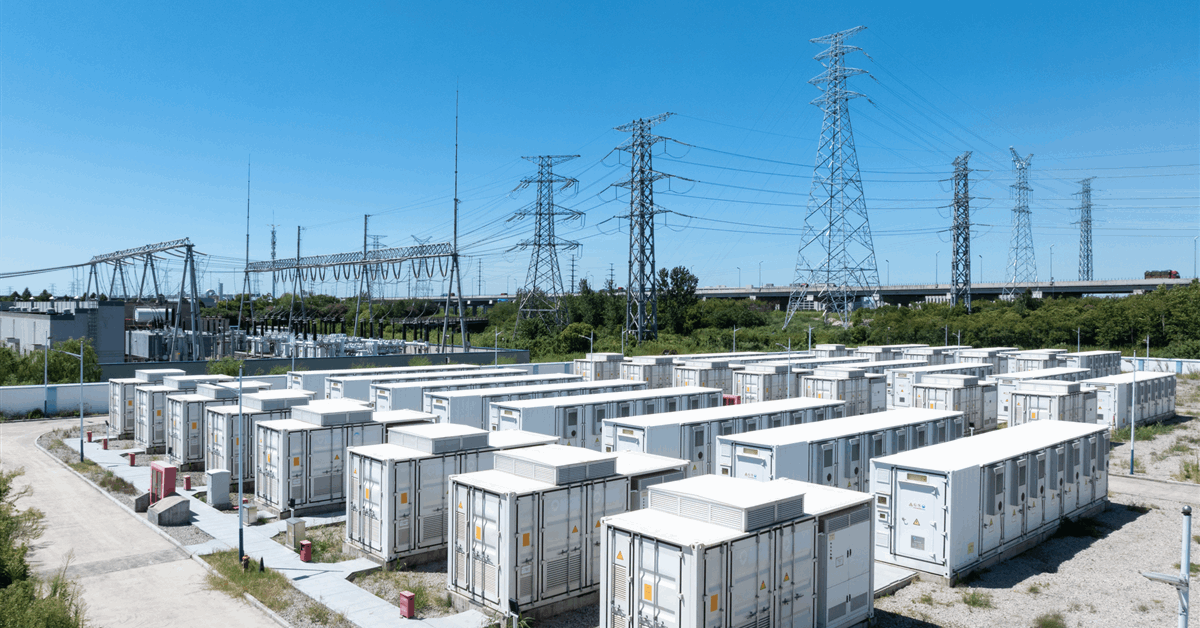
The NMG investment is inextricably linked to Eni’s ambitious Gigafactory project in the industrial area of Brindisi, Italy. This joint venture, operating under Eni Storage Systems (with Eni holding 50 percent plus one share alongside Seri Industrial subsidiary Fib), aims to establish a production hub for stationary lithium batteries. The project is designed to produce over 8 gigawatt-hours (GWh) a year of lithium-iron-phosphate (LFP) batteries, primarily targeting the burgeoning stationary energy storage market. A key technological differentiator is the planned use of a water-based manufacturing process, aligning with sustainable production goals. According to the stated timeline, the engineering phase and economic, financial, and authorization assessments were expected to be completed by the first quarter of 2026. With that period now concluded, the project should be poised to move into its execution phase, a critical juncture for investors monitoring Eni’s energy transition progress. While the broader energy market’s immediate attention remains fixed on upcoming events like the OPEC+ JMMC Meeting on April 20th and the subsequent Ministerial Meeting on April 25th, which will dictate short-term crude supply dynamics, Eni’s deep dive into battery materials highlights a longer-term strategic pivot towards sustainable energy solutions, ensuring supply chain robustness for its future manufacturing endeavors.
Investor Implications: Diversification in a Volatile Landscape
For investors, Eni’s $70 million commitment to Nouveau Monde Graphite represents more than just an investment; it’s a clear signal of the company’s evolving strategic direction and its commitment to navigating the energy transition. By securing a significant stake in a critical minerals producer and locking in supply agreements, Eni is proactively addressing potential bottlenecks in the battery supply chain, a common concern for companies venturing into large-scale battery manufacturing. This move could enhance Eni’s long-term value proposition by diversifying revenue streams and reducing reliance on volatile hydrocarbon markets. As traditional oil & gas companies face increasing pressure to decarbonize and innovate, Eni’s proactive stance in the critical minerals and battery storage sectors positions it favorably for future growth. The integration of its upstream critical mineral investment with its downstream battery manufacturing capabilities creates a vertically integrated approach that could yield significant competitive advantages. Investors should monitor the progress of the Brindisi Gigafactory and the Matawinie Mine’s development, as these projects are key indicators of Eni’s success in executing its strategic diversification and capitalizing on the opportunities presented by the global energy transition.


