Global energy markets are bracing for unprecedented volatility as crude oil prices surged significantly following the dramatic breakdown of peace negotiations between the United States and Iran. The U.S. Navy is now set to impose a stringent blockade on Iranian ports, a move expected to severely tighten global oil supplies and exacerbate an already critical energy crisis stemming from the broader conflict in the Middle East.
Crude Markets Erupt Amid Escalating Tensions
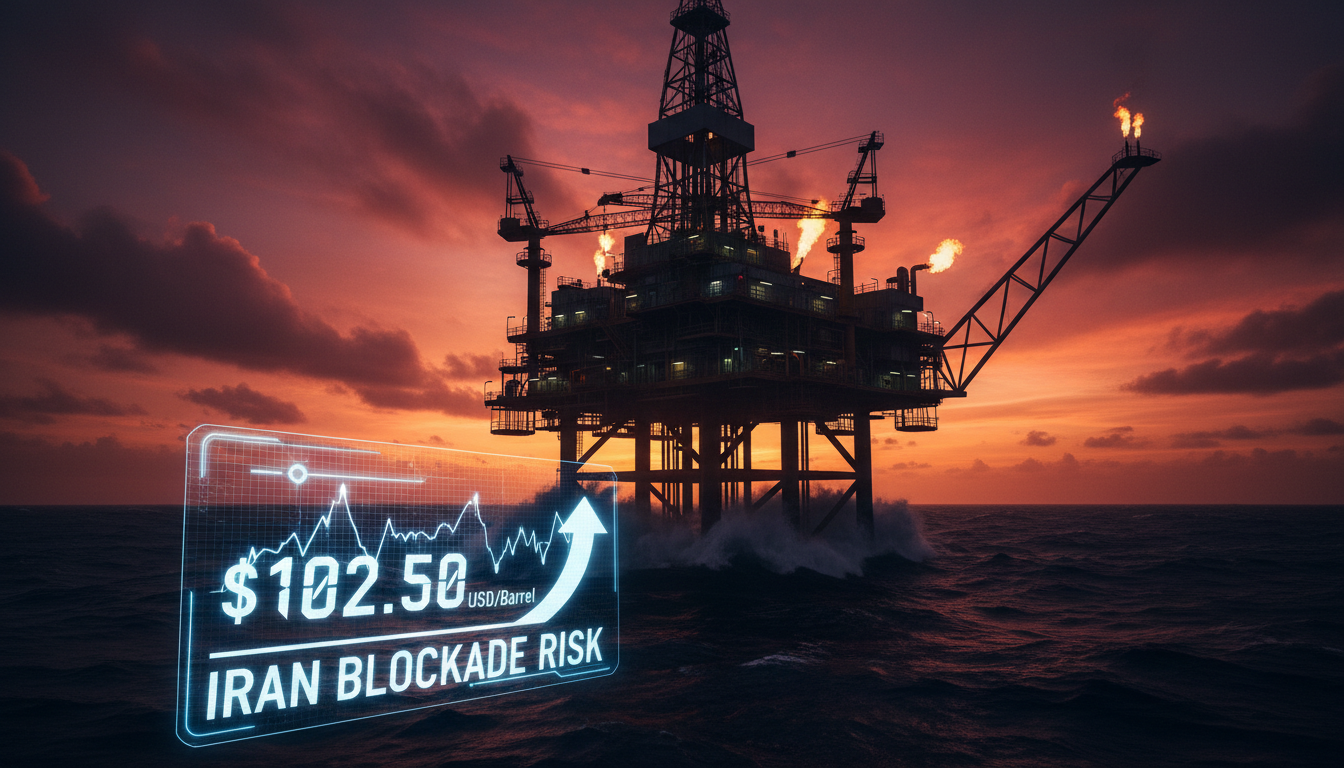
Investors witnessed a sharp uptick in oil futures Sunday evening, signaling intense apprehension over the impending blockade. U.S. crude oil futures for May delivery rocketed nearly 8%, reaching an impressive $104.20 per barrel by 6:13 p.m. ET. The international benchmark, Brent crude for June delivery, followed suit, advancing 7% to settle at $101.86. These price movements underscore the immediate market reaction to the escalating geopolitical risks, as traders price in significant disruptions to the flow of essential hydrocarbons.
U.S. Command Announces Comprehensive Blockade on Iranian Shipping
The U.S. Central Command (CENTCOM) issued a clear directive on Sunday, declaring its intention to initiate a military blockade of all maritime traffic destined for or departing from Iranian ports. This critical operation is slated to commence Monday at 10 a.m. ET. CENTCOM emphasized the impartial enforcement of this measure, stating it will apply to vessels of all nations seeking to access or leave Iranian ports and coastal regions, encompassing all Iranian maritime facilities situated on both the Arabian Gulf and the Gulf of Oman. Importantly, the command clarified that transit to and from non-Iranian ports will not be obstructed, aiming to minimize broader international trade impacts while specifically targeting Iran’s maritime access.
This aggressive stance follows President Trump’s earlier threats regarding the Strait of Hormuz after diplomatic efforts to end the conflict failed in Pakistan over the weekend. The President’s strong rhetoric, including a social media post declaring the U.S. Navy would immediately begin “BLOCKADING any and all Ships trying to enter, or leave, the Strait of Hormuz,” highlighted the gravity of the situation. Furthermore, President Trump directed the Navy to actively locate and interdict any vessel in international waters found to have paid Iran a toll for transit through the vital strait, signaling a comprehensive effort to isolate Tehran economically.
The Strait of Hormuz: A Global Oil Chokepoint Under Threat
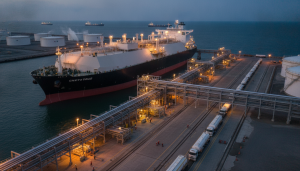
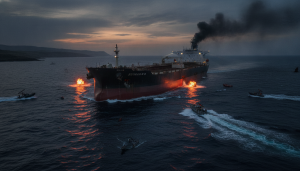
The Strait of Hormuz is not merely a shipping lane; it is a critical artery for global energy markets, connecting major Middle East oil producers to consumers worldwide. Its strategic importance cannot be overstated. Roughly 20% of the world’s total oil supplies historically traversed this narrow waterway before the U.S. and Israel initiated attacks on Iran on February 28. In recent times, the looming threat of Iranian retaliation has severely curtailed tanker traffic through the Strait, leading to what analysts are calling the largest oil supply disruption in modern history. This bottleneck directly translates into higher energy costs and increased uncertainty for global industries and consumers alike.
For investors in the oil and gas sector, the volatility surrounding the Strait of Hormuz presents both significant risks and potential short-term opportunities. Supply-side shocks typically drive up crude prices, benefiting producers, but also introduce considerable market instability. The operational challenges and insurance premiums for tankers navigating this region have soared, impacting the economics of oil transportation and further tightening the supply chain.
Diplomatic Breakdown and The Specter of Renewed Conflict
The failure of peace talks in Pakistan marks a dangerous turning point. Vice President JD Vance, leading the U.S. delegation, publicly stated that negotiations collapsed because Iran refused to provide an “affirmative commitment” against developing nuclear weapons. This fundamental disagreement underscored a deep mistrust that proved insurmountable during the discussions. Conversely, Iran’s parliamentary speaker, Mohammad-Bagher Ghalibaf, asserted that the U.S. “failed to gain the trust of the Iranian delegation,” highlighting the mutual recriminations that doomed the peace process.
With diplomacy failing, the potential for renewed military action looms large. President Trump is reportedly considering limited strikes on Iran to break the current stalemate. This follows a previous two-week ceasefire, agreed upon Tuesday, which saw Tehran grant temporary safe passage through the Strait in exchange for a cessation of U.S. airstrikes. However, Iranian officials, including senior advisor Ali Akbar Velayati, have consistently maintained that “the key to the Strait of Hormuz” remains firmly in the Islamic Republic’s hands, making safe passage contingent on their explicit approval. This assertion by Tehran complicates any U.S. attempts to control the flow of oil through the region without direct military confrontation.
Implications for Global Energy Supply and Investment Strategy
While three supertankers, each capable of carrying up to two million barrels of oil, reportedly transited the Strait on Saturday, this traffic remains drastically below pre-war levels, which saw over 100 vessels making the journey daily. The current situation signals a severe constriction of oil flow, placing immense upward pressure on prices.
For investors, the immediate outlook points to continued high volatility in crude oil prices. The blockade introduces a significant geopolitical premium to energy costs. Companies with substantial upstream assets, particularly those outside the immediate conflict zone, might see increased profitability from higher crude prices. However, integrated energy companies and refiners could face challenges from elevated feedstock costs and disruptions to their supply chains. Investors should carefully monitor the evolving geopolitical landscape, assess the resilience of their portfolios to supply-side shocks, and consider hedging strategies to mitigate risk in this increasingly uncertain environment. The global energy crisis, compounded by the direct threat to a pivotal transit route, ensures that oil and gas remain central to international financial discussions and investment decisions.