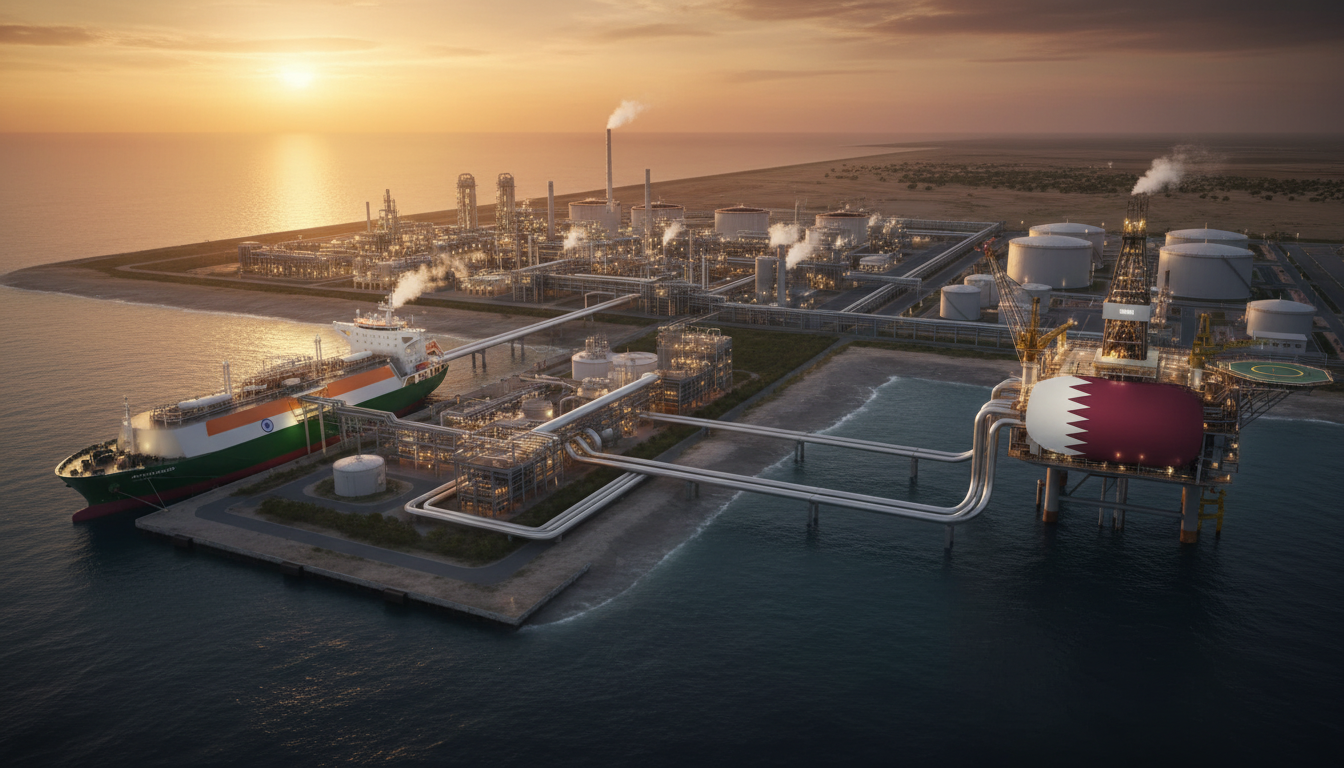
Energy investors are closely scrutinizing recent high-level diplomatic engagements as India, a burgeoning global energy consumer, and Qatar, a pivotal liquefied natural gas (LNG) and crude oil supplier, reaffirmed their strategic energy partnership. Union Minister for Petroleum and Natural Gas, Hardeep Singh Puri, concluded a two-day official visit to Doha, Qatar, on April 10, 2026, culminating in a significant meeting with Qatar’s Minister of State for Energy Affairs and President and CEO of QatarEnergy, Saad Sherida Al-Kaabi. The discussions underscored a mutual commitment to fortifying energy cooperation and advocating for enhanced stability across global energy markets, crucial themes for the international oil and gas investment community.
The visit, which commenced on the afternoon of April 9, 2026, saw both energy stalwarts delve into the expansive landscape of strategic relations between their respective nations. Key areas of discourse encompassed high-level bilateral engagements, burgeoning trade volumes, reciprocal investment opportunities, the bedrock of energy collaboration, cultural exchanges, and deep-rooted people-to-people connections. Such broad-ranging dialogue signals a robust, multi-faceted partnership, extending beyond mere transactional energy deals to a more integrated geopolitical and economic alignment. For investors, this signifies a stable and predictable environment for long-term energy contracts and cross-border infrastructure development.
Geopolitical Stability and Supply Chain Resilience: A Core Focus
A central tenet of the ministerial discussions revolved around the pressing need for an expeditious return to peace and stability within the broader region. This emphasis reflects the current volatile geopolitical climate, which has significantly impacted global energy supply chains and investor confidence. Minister Al-Kaabi emphatically reiterated Qatar’s steadfast commitment to its role as a dependable energy provider, expressing eagerness to further deepen and expand energy relations and cooperation with India. This assurance from a leading LNG exporter is invaluable for India, which heavily relies on imported energy to fuel its rapid economic expansion and meet its growing industrial and domestic demand for natural gas and crude oil.
Minister Puri conveyed Prime Minister Narendra Modi’s greetings and a message of solidarity to Qatar’s Amir, Tamim bin Hamad Al Thani, and Prime Minister and Foreign Minister, Mohammed bin Abdulrahman Al Thani. In a public statement via social media, Puri expressed satisfaction with the productive discussions, highlighting the comprehensive nature of the strategic dialogue. This high-level political backing provides a strong foundation for future energy deals and investment flows, reassuring market participants of the enduring commitment from both governments.
Addressing Regional Tensions and Market Normalization
The ministerial dialogue also recalled recent telephonic conversations between Prime Minister Modi and the Amir in March, where both leaders collaboratively stressed the imperative for restoring peace and stability in the region through diplomatic channels and dialogue. This sustained engagement at the highest echelons of government underscores the shared recognition of how regional conflicts can disrupt global energy flows and exert upward pressure on commodity prices. Furthermore, Prime Minister Modi conveyed gratitude for Qatar’s invaluable support to the Indian expatriate community residing in the Gulf nation, highlighting the strong human element underpinning bilateral ties.
Crucially, both sides welcomed the two-week ceasefire that commenced on April 8, a development seen as a critical step towards de-escalation in a conflict-ridden landscape. This temporary halt in hostilities was viewed as essential for paving the way towards restoring normalcy in the global energy markets. For oil and gas traders and investors, even short-term ceasefires can offer brief reprieves from price volatility, though the underlying geopolitical risks remain potent. The ministers additionally underscored the paramount importance of ensuring unimpeded freedom of navigation and the smooth, unfettered flow of global commerce. This declaration is a direct acknowledgment of ongoing threats to vital shipping lanes, such as those through the Red Sea, which are critical for maintaining robust and predictable energy supply chains worldwide.
Investment Implications for Global Energy Markets
For investors navigating the complexities of the global energy sector, the outcomes of this high-profile meeting between India and Qatar send clear signals. India, as one of the world’s largest and fastest-growing energy markets, offers immense demand potential for LNG, crude oil, and refined products. Its strategic pivot towards natural gas as a cleaner transition fuel, coupled with its continued reliance on crude for economic growth, makes securing diverse and reliable long-term supply agreements paramount. Qatar, with its massive North Field expansion projects and proven track record as a reliable exporter, stands as an indispensable partner in India’s energy security matrix. The discussions likely laid the groundwork for future long-term LNG supply contracts, potentially bolstering existing agreements and exploring new avenues for collaboration in areas such as petrochemicals, upstream exploration, and renewable energy technologies.
The joint call for global market stability and unhindered navigation also speaks directly to investor concerns regarding supply chain resilience and geopolitical risk premiums. Disruptions in key maritime passages can lead to increased shipping costs, longer transit times, and upward pressure on crude oil and LNG prices, impacting corporate earnings and overall market sentiment. By collectively advocating for stability, India and Qatar are effectively signaling their commitment to mitigating these risks, which can translate into more predictable trading environments and potentially higher investor confidence in projects and companies operating within these strategic energy corridors. The ongoing dialogue and collaboration between these two energy giants will remain a key indicator for the trajectory of Asian energy markets and broader global supply dynamics in the coming years.


