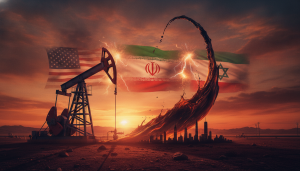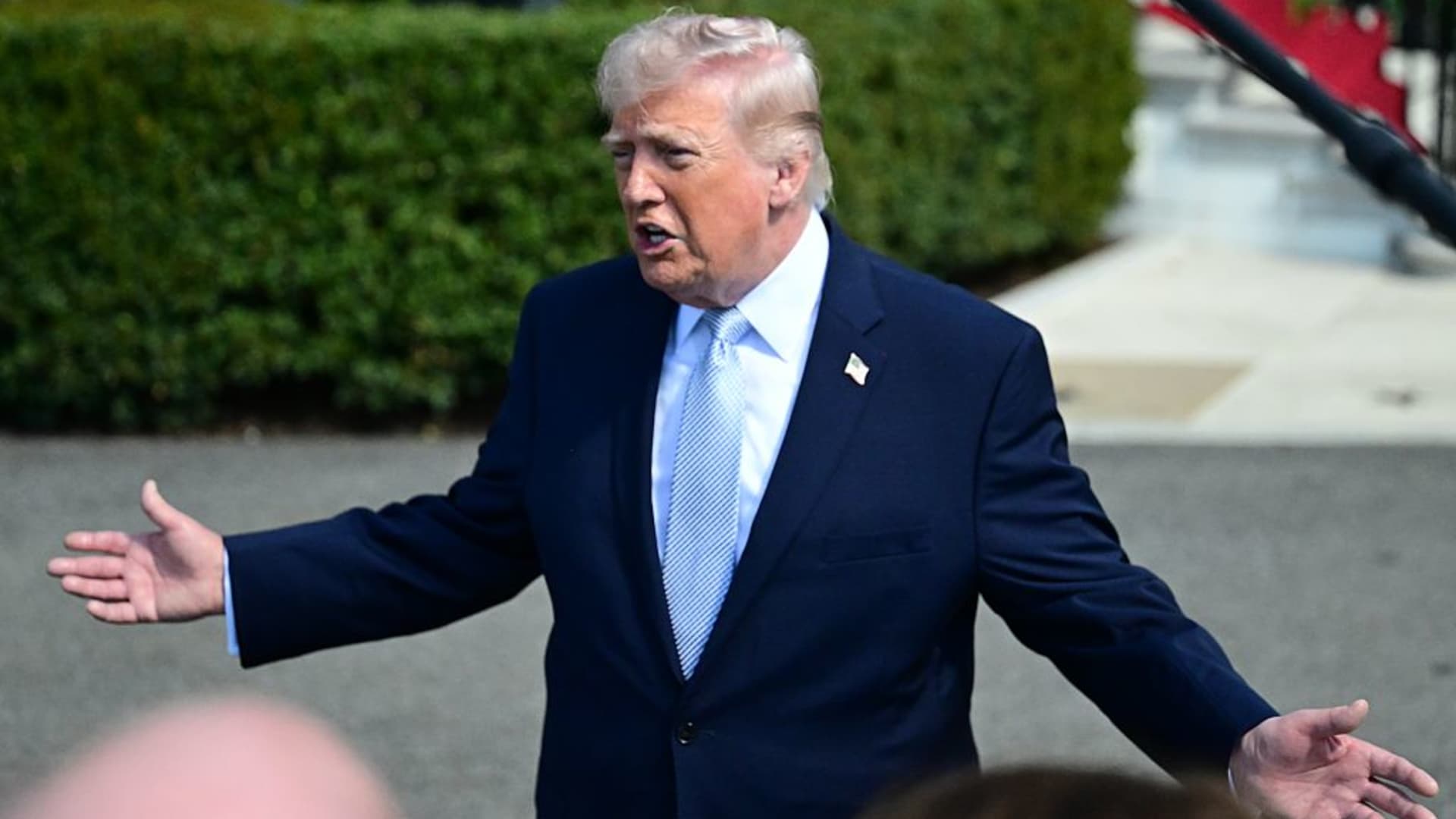
Global energy markets find themselves once again grappling with an elevated geopolitical risk premium, following a stark warning issued by President Donald Trump directed at Iran. The U.S. leader, speaking on Thursday, April 6, 2026, explicitly cautioned Tehran against imposing transit fees on oil tankers navigating the strategically vital Strait of Hormuz. This development, surfacing just days after a fragile ceasefire agreement, injects fresh volatility into an already sensitive market, demanding immediate attention from oil and gas investors. The potential for disruption in this critical chokepoint has historically sent shockwaves through crude benchmarks and energy equities, and the current situation is poised to test market resilience once more.
The Strait of Hormuz: A Volatile Chokepoint and Current Market Dynamics
For any investor tracking the pulse of the global energy sector, the Strait of Hormuz represents an unparalleled geopolitical flashpoint. This narrow maritime passage, connecting the Persian Gulf with the Arabian Sea, remains the world’s most critical chokepoint for global oil supply, facilitating approximately 20% of the planet’s total crude oil and petroleum product flow. Any impediment to its free passage reverberates instantly across international benchmarks, directly impacting energy stock valuations globally. Since February 28, vessel traffic through this essential artery has been severely constrained, or “tightly throttled,” contributing significantly to supply anxieties and price premiums.
As of today, Brent crude trades at $95.47 per barrel, reflecting a significant daily gain of 5.63%, with an intra-day range between $92.77 and $97.81. Similarly, WTI crude has surged to $87.28, up 5.68% within a day range of $85.45 to $89.60. Gasoline prices have also climbed to $3.04, marking a 3.75% increase for the day. This immediate market reaction underscores the acute sensitivity to Hormuz-related news. Notably, these gains represent a sharp reversal from the recent trend; our proprietary data indicates Brent crude had actually trended downwards from $112.78 on March 30 to $90.38 by April 17, a substantial drop of nearly 20%. The renewed tensions surrounding the Strait have abruptly halted this decline, demonstrating how quickly geopolitical risk can reprice oil assets.
Iran’s Cryptocurrency Transit Fee: A Novel Layer of Risk and Cost
The reported move by Iran to demand transit fees in cryptocurrency for passage through the Strait of Hormuz introduces a novel and potentially disruptive element into global shipping and energy trade. While the specifics of this “game-changer” scheme are still emerging, the implications for shipping companies, insurers, and ultimately, global energy consumers are profound. Denominating fees in a volatile and less-regulated medium like cryptocurrency adds an entirely new layer of complexity, cost, and uncertainty. Beyond the direct financial burden, it raises questions about payment security, exchange rate fluctuations, and compliance for vessels that already navigate high-risk waters.
Major oil-producing nations, including Saudi Arabia, the UAE, Qatar, Kuwait, and Iraq, heavily rely on the Strait for the vast majority of their crude oil exports. The introduction of mandatory, crypto-denominated transit fees would directly increase their export costs, potentially impacting margins and global competitiveness. Likewise, significant consuming nations across Asia and Europe, dependent on the unimpeded flow of oil through Hormuz, would face higher import costs and increased supply chain risks. Investors must consider how this innovative, albeit contentious, fee structure could ripple through the entire energy value chain, from upstream producers to downstream refiners and consumers.
Navigating Forward: Investor Questions and Upcoming Catalysts
Our internal reader intent data reveals investors are keenly focused on understanding market direction, with common queries like “is WTI going up or down?” and “what do you predict the price of oil per barrel will be by end of 2026?” These questions highlight the pervasive uncertainty driven by geopolitical events like the Hormuz situation. The immediate surge in prices clearly indicates an upward bias in the short term, as the market prices in potential supply disruptions. For the longer term, the trajectory of this geopolitical standoff will be a critical determinant.
Looking ahead, several key events on the energy calendar over the next two weeks will further shape market sentiment and provide critical data points. The OPEC+ Joint Ministerial Monitoring Committee (JMMC) Meeting on April 20th, followed by the full OPEC+ Ministerial Meeting on April 25th, will be particularly scrutinized. Will the ongoing tensions in the Strait prompt OPEC+ to reconsider current production quotas, or will they maintain their cautious stance, potentially exacerbating supply concerns if the situation escalates? Furthermore, the weekly API and EIA Crude Inventory reports (April 21st/22nd and April 28th/29th, respectively) will be paramount. Investors will be dissecting these reports for any signs of tightening supply, particularly against the backdrop of reduced vessel traffic through Hormuz. Finally, the Baker Hughes Rig Count on April 24th and May 1st will offer insights into North American production activity, providing a counterpoint to potential Middle Eastern supply risks. These upcoming events, combined with the unfolding geopolitical drama, demand a proactive and informed investment approach.
Strategic Implications for Energy Portfolios
The convergence of heightened geopolitical risk in the Strait of Hormuz and Iran’s novel cryptocurrency fee scheme presents a complex challenge for energy investors. While the immediate market reaction has been a sharp upward movement in crude prices, the long-term implications depend heavily on the duration and intensity of this standoff. Companies with significant exposure to Middle Eastern crude exports, or those heavily reliant on global shipping, could face increased operational costs and supply chain vulnerabilities. Conversely, domestic producers in less volatile regions, or integrated energy companies with diversified asset bases, might offer a degree of insulation.
Investors should continue to monitor not only the headlines but also the underlying physical market data, including inventory levels, refinery utilization, and global demand trends. The interplay between these fundamental factors and the ever-present geopolitical risk premium will ultimately determine the performance of oil and gas investments in the coming months. Staying abreast of the nuanced developments in the Strait of Hormuz and understanding its potential impact on global oil flows will be crucial for navigating this period of elevated uncertainty.