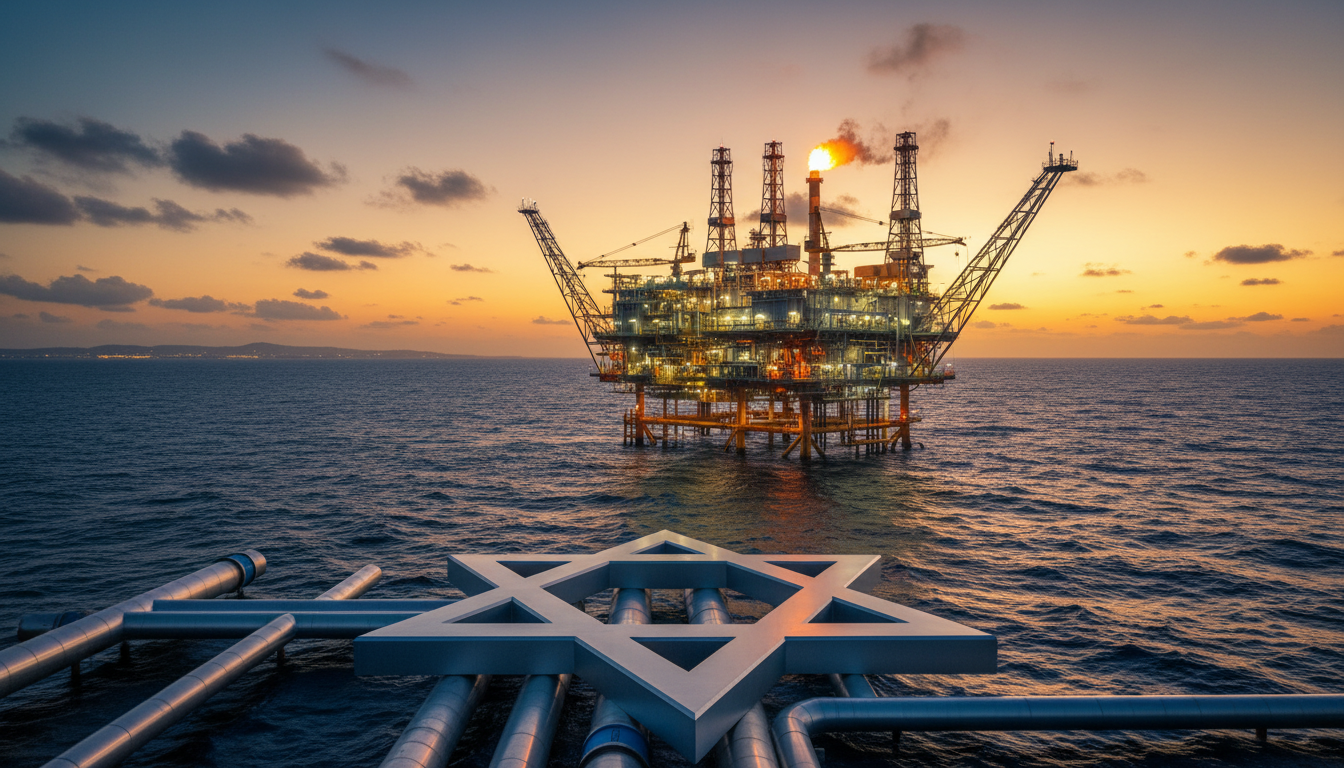
Eastern Mediterranean Gas Fields Reawaken: Navigating Geopolitical Currents in Energy Investment
The Israeli Energy Ministry’s recent directive for Energean to resume operations at the offshore Karish natural gas field signals a crucial, albeit cautious, return to normalcy for key energy assets in the Eastern Mediterranean. This development, following the restart of the colossal Leviathan field, underscores the region’s inherent volatility and the significant impact of geopolitical shifts on critical energy infrastructure. For global energy investors, understanding these rapid operational fluctuations amidst persistent regional tensions is paramount to assessing risk and opportunity.
Energean, a London-listed independent E&P company, has confirmed receiving formal notification from the Ministry of Energy and Infrastructure, authorizing the safe resumption of production and operations at its Energean Power FPSO. This pivotal instruction arrives in the wake of a two-week U.S.-Iran ceasefire, providing a window of de-escalation that enabled Israel to greenlight the restart of this strategic energy asset.
The Karish platform had been idled since February 28, when Israeli authorities mandated its shutdown as a precautionary safety measure. This order coincided with a period of intensified U.S. and Israeli military actions targeting Iran, highlighting the immediate and direct threat perception impacting offshore energy operations in the volatile Eastern Mediterranean basin. Such preemptive closures underscore the severe operational risks that energy companies face in politically charged environments.
Adding to the regional energy disruptions, Chevron had also declared force majeure at Israel’s massive Leviathan natural gas field during the same period. The Israeli government had ordered a temporary suspension of its production due to security concerns. This sequence of events illustrated the far-reaching implications of regional conflicts on the supply chain and operational continuity for major energy producers.
In early March, the Israeli Energy Ministry specifically instructed Chevron, the operator of Leviathan, to cease production. This directive came after joint U.S.-Israeli military strikes against Iran provoked retaliatory actions across the broader region. NewMed Energy, a partner in the Leviathan consortium, confirmed the suspension, emphasizing that regulatory guidance demanded adjustments to operations in line with an evolving security landscape, including potential temporary halts.
However, demonstrating a commendable degree of operational resilience, the Leviathan field was successfully brought back online by the end of last week. This swift restart occurred after both Chevron and NewMed Energy received updated notifications from the Israeli Energy Ministry, clearing the path for the resumption of gas flows. The efficient reactivation of Leviathan set a precedent, paving the way for the more recent decision regarding Karish.
Energean is now actively engaged in the meticulous process of safely restoring full production and resuming normal operations at its Energean Power FPSO, adhering strictly to its established operational procedures. The company’s commitment to a secure and methodical restart is critical for re-establishing consistent energy supply and reassuring stakeholders regarding operational integrity under dynamic circumstances.
Strategic Importance of Israeli Gas to Global Energy Security
The Karish and Leviathan gas fields are not merely significant for Israel’s domestic energy needs; they represent cornerstone assets in the nation’s energy independence strategy and its burgeoning role as a regional energy exporter. These vast reserves offer Israel strategic autonomy, reducing reliance on imported fuels and bolstering its economic resilience amidst regional instability. For investors, exposure to these fields offers a direct stake in Israel’s long-term energy future.
Beyond national interests, these Eastern Mediterranean gas fields play an increasingly vital role in global energy diversification, particularly for Europe. With ongoing efforts to reduce dependence on traditional suppliers, Israeli gas exports offer a compelling alternative. The consistent flow from these fields is essential for reinforcing regional energy security, attracting further foreign direct investment into the sector, and solidifying the Eastern Mediterranean’s position as a significant energy hub.
Navigating Volatility: An Investor’s Perspective
The recent cycle of shutdowns and restarts at both Karish and Leviathan serves as a potent case study for energy investors in the inherent geopolitical risks embedded in the Eastern Mediterranean’s lucrative natural gas sector. While the swift resumption of operations provides a measure of confidence in the responsiveness of operators and regulators, it also underscores the fragility of supply lines in the face of escalating regional conflicts. Investors must factor in these rapid shifts in operational status, which can significantly impact revenue streams and stock valuations.
The ability of companies like Energean and Chevron to quickly respond to and recover from such significant operational disruptions highlights a level of preparedness and robust contingency planning. This operational resilience is a critical attribute for companies operating in high-risk environments, offering a degree of assurance to investors despite the overarching geopolitical uncertainties. However, the costs associated with shutdowns, restarts, and enhanced security measures can still impact profitability.
Persistent Geopolitical Headwinds and Market Implications
Despite the current resumption of gas production, the geopolitical landscape remains acutely fluid. Reports indicate that Iran continues to signal the potential closure of the Strait of Hormuz, a critical chokepoint for global oil and gas shipping, following recent Israeli strikes on targets in Lebanon. Such threats introduce a layer of uncertainty that reverberates across global energy markets, influencing everything from crude oil prices to the perception of regional supply stability.
The interplay of these regional tensions directly impacts the valuation of natural gas assets and the long-term viability of export contracts from the Eastern Mediterranean. Investors monitoring this sector must not only analyze production data and reserve estimates but also maintain a vigilant eye on diplomatic developments, military actions, and the rhetoric emanating from key regional players. These non-market factors can introduce sudden and dramatic shifts in commodity prices and asset risk profiles.
Forward Outlook: Vigilance in a Dynamic Energy Frontier
While the reawakening of Israel’s Karish and Leviathan fields offers a welcome reprieve for regional energy supply and stability, it is imperative for energy investors to recognize that the Eastern Mediterranean remains a highly dynamic and politically sensitive frontier. The ongoing ebb and flow of geopolitical tensions will continue to dictate operational continuity, influencing everything from exploration prospects to infrastructure development. Success in this high-stakes environment demands continuous, informed risk assessment and an acute understanding of the complex interplay between energy economics and regional geopolitics.


