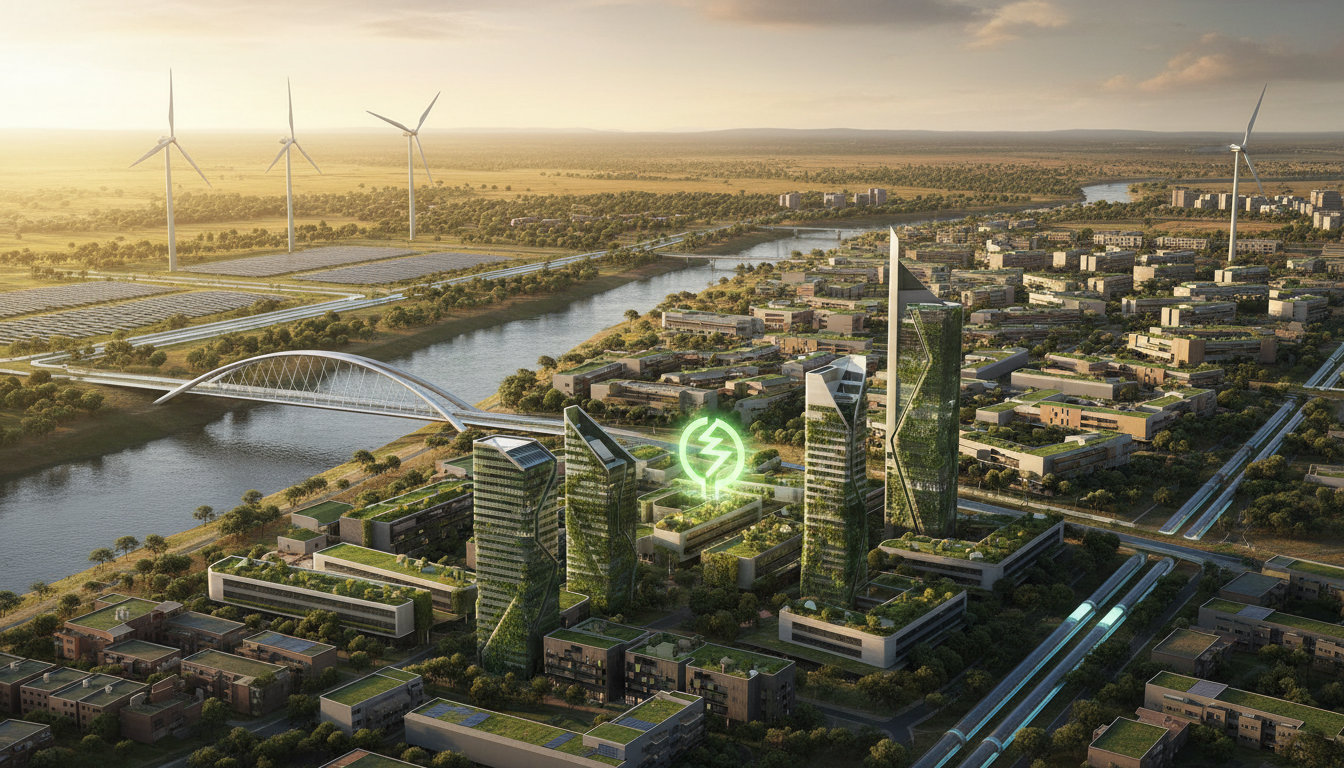
A significant capital injection into South Africa’s property sector is drawing investor attention, signaling a burgeoning opportunity in sustainable development within a key emerging market. Investec Bank Limited has secured a substantial $200 million senior unsecured loan from the International Finance Corporation (IFC), specifically earmarked to propel environmentally conscious commercial and residential projects across the nation. This substantial financing initiative underscores the growing imperative for resource-efficient infrastructure, particularly in regions grappling with increasing utility costs and infrastructural pressures—factors of critical importance to global energy and commodity markets.
The strategic deployment of this $200 million facility will occur through Investec’s dedicated Sustainable Solutions platform. Its primary objective involves channeling funds towards property developments that adhere to internationally recognized sustainable building standards. The focus remains on constructing and refurbishing assets designed for reduced energy and water consumption, alongside a lower carbon footprint in construction materials. This move not only addresses South Africa’s immediate needs but also aligns with the broader global shift towards green infrastructure, a trend closely monitored by investors assessing long-term demand dynamics for traditional energy sources.
Catalyst for Green Construction: Blended Finance and Developer Incentives
Further bolstering this impactful initiative, the deal includes critical support from the Market Accelerator for Green Construction (MAGC) program, a blended finance mechanism championed by the UK government. Investec has successfully secured a $3.8 million performance-based incentive through MAGC. This crucial financial injection will directly benefit developers undertaking qualifying projects and homeowners purchasing certified residential properties. The incentive strategically aims to mitigate the often-cited higher upfront costs associated with sustainable construction practices and green building certifications, making such projects more financially viable and attractive.
For discerning investors, this blended finance model represents a de-risking mechanism, demonstrating international commitment to fostering sustainable development in challenging markets. By absorbing some of the initial cost premium, these incentives can accelerate the adoption of green building technologies, creating a more robust pipeline of investment-grade sustainable assets. This approach paves the way for a more mainstream acceptance of energy-efficient design, potentially influencing future regulatory landscapes and capital deployment strategies across the African continent.
South Africa’s Infrastructure Imperative and Investor Opportunity
The timing of this financing could not be more critical for South Africa, a nation facing acute strain on its housing delivery and urban infrastructure. Municipal systems nationwide, particularly in the vital energy and water sectors, contend with mounting challenges concerning reliability, capacity, and escalating costs. These systemic pressures directly impact industrial operations, economic stability, and the overall business environment—elements closely scrutinized by investors in the oil and gas sector seeking stable markets for their portfolios.
In this challenging operational context, resource-efficient buildings transcend mere environmental benefits; they represent a sound commercial proposition. Properties that consume less energy and water inherently incur lower long-term operating expenses, enhance resilience against utility disruptions, and hold greater appeal for occupiers and buyers grappling with persistent utility price hikes. For capital providers and developers, the compelling economics are becoming undeniable, positioning sustainable construction as not just an ethical choice, but a financially prudent investment strategy that mitigates operational risk and secures future value in a resource-constrained environment.
Broadening the Scope: Standards, Sectors, and Mortgage Products
Investec explicitly states that the newly secured funding will back projects adhering to recognized environmental performance benchmarks, including the globally recognized EDGE certification or equivalent frameworks. This rigorous standard applies to both new constructions and significant refurbishments, ensuring a high level of environmental integrity. Furthermore, all projects financed under this program must align with IFC’s stringent environmental and social standards, adding another layer of accountability and de-risking for investors.
The scope of eligible activities is extensive, creating diverse investment avenues. Investec’s Structured Property Finance division will deploy the facility across a wide array of sectors, including residential, retail, industrial, and mixed-use developments. In a strategic move to stimulate demand at the consumer level, the bank also intends to roll out a specialized residential green mortgage product. This innovative offering will provide direct incentives to qualifying purchasers acquiring certified sustainable homes, effectively targeting both the supply and demand sides of the green property market. This comprehensive, ecosystem-based approach is crucial for scaling up sustainable construction, especially in markets where green buildings might still carry a perception of higher initial cost.
Executive Vision: Driving Market Transformation
Melanie Humphries, Head of Sustainable Solutions at Investec, underscored the strategic significance of the facility, stating, “This funding not only reinforces Investec’s foundational purpose but also deepens our vital relationship with the IFC. By integrating construction incentives with a compelling green mortgage offering, we are forging a comprehensive market mechanism—from developers to end-buyers—at a pivotal moment when South Africa’s infrastructure vulnerabilities and rising utility expenditures unequivocally establish the commercial viability of sustainable construction.” This perspective highlights the strategic alignment with long-term economic resilience, a critical factor for O&G investors assessing regional stability.
Charl Wiid, Head of Structured Property Finance at Investec, emphasized the direct impact on project finance. “This funding empowers our business to extend meaningful incentives to clients committed to recognized green building standards. This collaborative partnership effectively lowers the cost of capital for eligible developments, concurrently fostering the growth of more energy-efficient and environmentally responsible real estate portfolios.” Such direct financial incentives represent a tangible shift in capital allocation, steering investment towards greener alternatives.
Kalina B Miller, IFC Regional Industry Manager for the Financial Institutions Group, contextualized the deal within IFC’s broader mandate. “Expanding sustainable buildings, particularly housing, delivers profound benefits for employment generation, community welfare, and climate resilience. Simultaneously, it actively contributes to resolving South Africa’s critical energy, water, and low-carbon transition challenges.” This perspective underlines the multi-faceted benefits that resonate with ESG-conscious investors and those evaluating the long-term sustainability of emerging economies.
Implications for Global Investors and Energy Markets
This $200 million transaction, augmented by the MAGC incentive, transcends its immediate impact on South Africa’s property market. For global investors, including those with substantial interests in oil and gas, it serves as a powerful indicator of shifting capital flows and emerging investment themes in critical growth regions. The escalating infrastructure constraints in South Africa—especially concerning energy and water—directly influence overall economic productivity and, by extension, future energy demand curves. Investments in resilient, energy-efficient infrastructure become a proactive measure to stabilize these demand dynamics and foster sustainable growth.
As green buildings move from a niche segment to the core of mainstream financing, financial institutions like Investec are positioning themselves to capture this evolving demand. This partnership exemplifies a strategic channel for capital deployment towards a more efficient and resilient built environment in an emerging market facing significant energy and resource challenges. Investors monitoring global commodity markets and long-term energy trends should view such initiatives as critical components of the broader energy transition narrative, influencing regional energy consumption patterns and diversifying investment opportunities beyond traditional extractive industries into the burgeoning green infrastructure sector.


