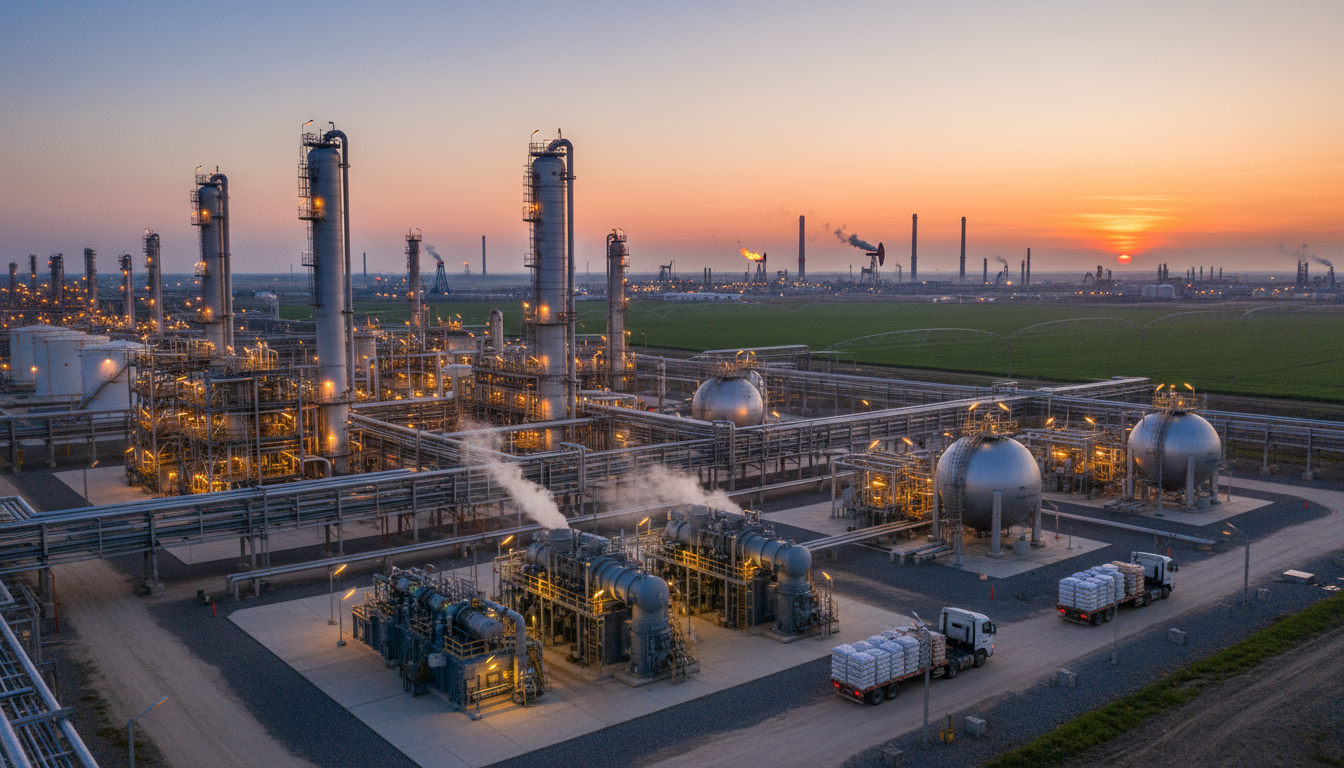
Indian Energy Market Demonstrates Resilience Amidst Geopolitical Volatility
The Indian energy sector is exhibiting remarkable resilience, successfully navigating supply chain disruptions stemming from ongoing geopolitical tensions in West Asia and the Strait of Hormuz. Strategic interventions by major oil companies and government entities have ensured stability across key energy segments, mitigating potential impacts on critical industries and consumer markets. This proactive approach underscores the robustness of the nation’s energy security framework and its ability to adapt to evolving global supply dynamics, providing a stable operating environment for energy investors.
Initially, the escalation of conflict in the crucial West Asia region prompted a notable reduction in natural gas flows, particularly impacting the vital fertilizer manufacturing sector. Supply to urea plants was initially curtailed to approximately 60% of their operational requirements. However, aggressive and strategic market maneuvers have progressively restored these allocations. Through a combination of alternative procurement strategies, gas supply to fertilizer plants was first scaled up to 75-80% and has now been further elevated to approximately 90% of their average consumption recorded over the past six months, effective April 6, 2026. This critical recovery for the fertilizer industry, a significant industrial gas consumer, was primarily facilitated by expedited liquefied natural gas (LNG) acquisitions from the global spot market.
Strategic LNG Procurement Diversifies Supply Channels
A cornerstone of India’s immediate response to the supply challenges has been the decisive pivot in its LNG procurement strategy. While traditional LNG shipments from Qatar faced suspensions due to the geopolitical climate, Indian energy firms swiftly broadened their sourcing network. Current procurements are actively securing LNG from diverse international markets, including the United States, Australia, and Russia. This geographical diversification is a key factor in bolstering the country’s energy supply chain resilience, reducing reliance on any single region and enhancing overall energy security. For investors, this demonstrates a pragmatic and adaptable approach to securing vital feedstock, ensuring operational continuity for downstream industries dependent on gas.
Beyond the critical fertilizer sector, the benefits of these increased gas supplies are extending to other industrial and commercial sectors. From April 8, 2026 (the Monday following the announcement), gas allocation to these segments, including the burgeoning city gas distribution (CGD) networks, will see an additional 10% increase. This expansion supports urban development and industrial growth, reflecting a broader improvement in domestic gas availability. Crucially, priority sectors, such as piped natural gas (PNG) for domestic cooking and compressed natural gas (CNG) for transport, continue to receive 100% of their protected supplies, underscoring the government’s commitment to essential services and consumer well-being.
LPG Market Stabilizes Despite Gulf Region Disruptions
The liquefied petroleum gas (LPG) market has also faced its share of headwinds, with supplies from Gulf countries experiencing ongoing disruptions. Despite these challenges, domestic household cooking gas requirements are being fully met, with no reports of “dry-outs” at LPG distributorships nationwide. Since March 1, 2026, an impressive tally of over 180 million domestic LPG cylinders has been successfully delivered to households, a testament to the efficient logistical capabilities of public sector oil marketing companies (OMCs). This unwavering commitment to meeting household demand provides a stable demand base for energy companies operating in the downstream sector.
For the commercial sector, which includes hotels and restaurants, LPG allocations to states have been increased to approximately 70% of pre-crisis levels. This figure incorporates a 10% allocation linked to ongoing reform initiatives, signaling efforts to rationalize and improve market efficiency even during times of stress. Since March 14, 2026, a substantial 79,909 tonnes of commercial LPG, equivalent to more than 4.2 million 19-kg cylinders, have been successfully distributed. Furthermore, the availability of 5-kg Free Trade LPG (FTL) cylinders, sold at market price with only an identity card requirement, has been actively promoted, with approximately 675,000 units sold since March 23, 2026. These initiatives collectively demonstrate a multifaceted strategy to ensure broad-based LPG availability and market stability.
Comprehensive Measures Bolster Energy Security
The government and OMCs have implemented a suite of comprehensive measures to bolster overall energy security and mitigate potential market imbalances. These strategic actions include prioritizing domestic LPG and PNG supplies for essential services such as hospitals and educational institutions. Refinery output has been consistently maintained at high capacities, backed by adequate crude inventories, ensuring a continuous supply of refined products. Supply rationalization measures have also been implemented, such as extending LPG refill booking intervals to 25 days in urban areas and up to 45 days in rural regions, alongside actively promoting alternative fuels like kerosene, coal, PNG, and electric cooking solutions to ease demand pressures on conventional LPG.
To further support fuel availability, additional kerosene supplies have been allocated to various states, and coal producers have received directives to enhance deliveries for small and medium consumers. A robust enforcement drive against hoarding and black marketing has also been stepped up, yielding significant results, including over 100,000 raids conducted, more than 52,000 cylinders seized, and approximately 220 arrests made. Public sector OMCs have intensified their inspection protocols, issuing over 1,500 show-cause notices, penalizing 118 LPG distributors, and suspending 41 for non-compliance. These stringent oversight measures, combined with the assurance that retail fuel outlets remain fully functional nationwide, underscore a dedicated effort to maintain market order and consumer confidence, creating a predictable environment for energy sector investments.
In summary, the Indian energy landscape, despite navigating significant geopolitical headwinds, has demonstrated remarkable adaptability and resilience. The strategic pivot to diversify LNG sources, the restoration of critical natural gas supplies to key industries, and the robust management of the LPG distribution network collectively paint a picture of a sector well-equipped to manage external shocks. For investors, this highlights the strategic foresight and operational efficiency within the Indian oil and gas sector, reinforcing its potential as a stable and growing market for long-term investment. Market participants are advised to rely on official channels for information and leverage digital booking platforms for LPG services, as the nation continues to navigate global energy complexities with a firm focus on domestic stability.


