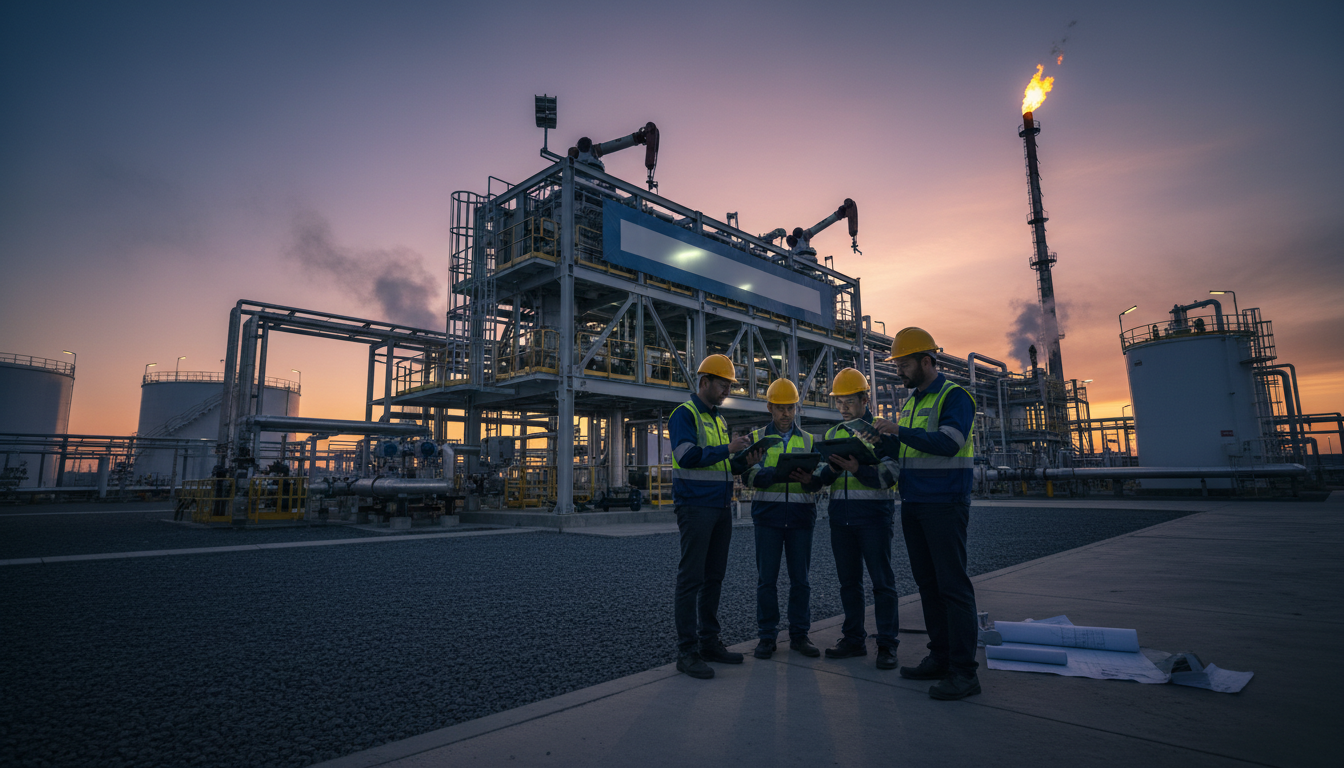
The intricate dance of capital deployment, technological innovation, and operational execution defines success in the oil and gas sector. Historically, a robust project management framework has been the linchpin, orchestrating vast multidisciplinary teams across exploration, production, refining, and new energy ventures. These vital managers align geoscientists, drilling engineers, facilities teams, and commercial strategists to deliver high-value projects that meet market demands, ensure regulatory compliance, and enhance shareholder returns. It’s a complex, often friction-filled process, yet absolutely critical for efficient capital allocation and project delivery.
However, a seismic shift is underway, driven by the accelerating capabilities of artificial intelligence and machine learning. Advanced AI platforms, from generative design tools to sophisticated predictive analytics, are turbocharging the productivity of technical professionals across the energy value chain. Data scientists, reservoir engineers, and automation specialists are now capable of innovating and executing at unprecedented speeds, significantly outpacing traditional development cycles. Experts observing this transformation report productivity gains of two to three times for engineers leveraging these cutting-edge AI tools.
AI Fuels Unprecedented Engineering Velocity in Energy
The impact of AI on engineering productivity within oil and gas is profound and transformative. Imagine a reservoir engineer who can iterate through dozens of complex simulation models in the time it once took to run just a few, thanks to AI-driven parameter optimization and rapid data processing. Or a drilling engineer who can instantly access and synthesize vast datasets to predict downhole anomalies, dramatically reducing non-productive time. These aren’t futuristic concepts; they are current realities powered by AI’s ability to automate tedious tasks, enhance data interpretation, and accelerate complex calculations.
This surge in individual and team productivity fundamentally alters the operational landscape. As technical teams achieve more with greater speed, the sheer volume of innovative solutions, optimized processes, and data-driven insights escalates dramatically. This newfound velocity, while a monumental step forward for efficiency and competitive advantage, introduces a critical challenge: the project and product management functions are struggling to keep pace. Team sizes for these oversight roles have largely remained static, meaning project managers and lead engineers are now tasked with coordinating, prioritizing, and integrating what effectively amounts to a much larger output from their technical counterparts. This creates immense pressure, squeezing the traditional oversight roles and demanding new operational paradigms.
The Strategic Pressure on Project Oversight
The traditional project management structure, designed for a more linear and predictable development cadence, is now under considerable strain. Asset managers and project leads find themselves inundated, trying to manage a rapidly expanding portfolio of AI-enabled initiatives, from enhanced oil recovery algorithms to predictive maintenance schedules for offshore platforms, or even novel carbon capture technologies. The bottleneck isn’t a lack of technical talent; it’s the capacity to effectively shepherd these high-velocity projects from conception through to deployment and impact assessment. The imperative for oil and gas companies is clear: adapt or risk diluting the strategic benefits of their AI investments.
Industry leaders are grappling with how to effectively scale their project management capabilities to match this heightened engineering output. One prominent expert in digital transformation, Amol Avasare, recently highlighted this dynamic, noting that companies face a critical choice: either significantly expand their dedicated project and product management staff or fundamentally redefine the roles and responsibilities within their technical teams. For investors, understanding how a company addresses this challenge offers crucial insight into its future operational efficiency and its ability to capitalize on digital transformation.
Two Paths to Navigating the AI Productivity Boom
Oil and gas companies are exploring two primary strategies to navigate this evolving landscape. The first, and most straightforward, is to simply scale up the project management function. This involves hiring additional project managers, program leads, and business analysts to provide the necessary oversight and coordination for the burgeoning output of AI-augmented engineering teams. This approach ensures specialized focus on project execution and stakeholder alignment, but it can also increase overhead and potentially add layers of bureaucracy if not managed effectively. Firms investing heavily in new digital product lines, such as energy transition technologies or advanced analytics platforms, are often taking this route to ensure proper market fit and agile development.
The second, more disruptive, yet potentially more agile path, involves a strategic re-evaluation of technical roles. Instead of relying solely on dedicated project managers, companies are beginning to empower their highly skilled engineers and data scientists to take on greater project ownership. This means deputizing technical experts to serve as “mini-project managers” for smaller, more contained initiatives. This hybrid approach streamlines communication, reduces hand-offs, and accelerates decision-making, directly leveraging the enhanced productivity of the technical teams themselves.
Empowering the Integrated Oil & Gas Engineer
The concept of the “integrated engineer” is gaining traction, particularly within organizations developing highly technical products or solutions for the energy sector. This model suggests that for projects requiring shorter development cycles—perhaps two weeks or less of focused engineering effort—the lead engineer or data scientist assumes direct responsibility for project management. This includes defining scope, managing timelines, coordinating with critical cross-functional stakeholders such as legal, regulatory affairs, procurement, and commercial teams, and ensuring the project delivers tangible value.
For example, a petroleum engineer developing a new AI model for predictive maintenance on a specific drilling rig might also be responsible for understanding the operational requirements, securing necessary data access, ensuring compliance with safety protocols, and even communicating the solution’s value proposition to the field operations team. This holistic approach fosters a deeper understanding of project impact, accelerates iterative development, and minimizes the “translation loss” that can occur between specialized functions. This shift is not merely an organizational tweak; it’s a strategic embrace of technical leadership and end-to-end accountability, fostering a culture of ownership that is critical for rapid innovation in the dynamic energy sector. Industry experts anticipate this integrated model will become increasingly prevalent as firms seek to maximize their return on AI investments.
Strategic Imperatives for O&G Investors
For investors monitoring the oil and gas sector, these evolving organizational structures represent a key indicator of a company’s adaptability and future performance. Companies effectively harnessing AI’s power to boost engineering productivity while simultaneously optimizing their project management framework are poised for significant competitive advantages. Look for firms that articulate clear strategies for managing their accelerated innovation pipelines, whether through scaled project management functions or by empowering their technical talent with broader responsibilities.
The rise of the “integrated engineer” signals a more agile, responsive, and technically informed approach to project delivery. This can translate directly into faster time-to-market for new technologies, enhanced operational efficiency, reduced capital expenditure waste, and ultimately, superior shareholder value. Understanding how energy companies are structuring their teams to exploit AI’s full potential is no longer an HR detail; it’s a strategic imperative for informed investment decisions in an industry undergoing profound digital transformation.


