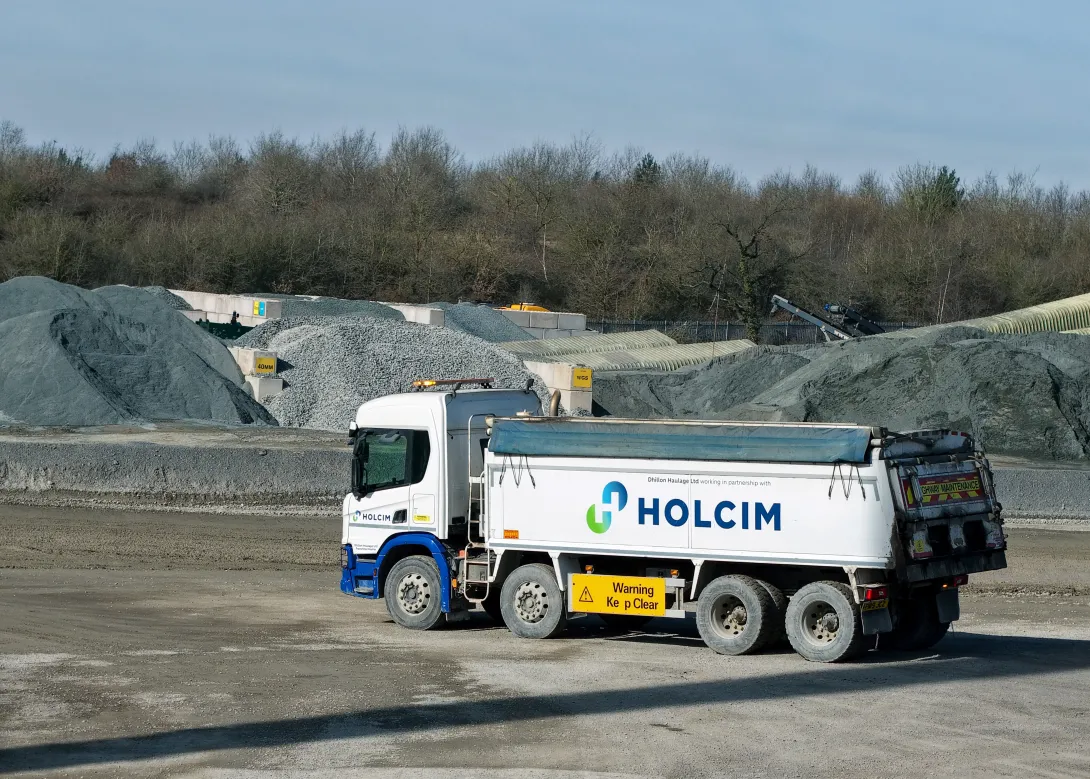
The global energy landscape is undergoing a profound transformation, pushing industries to innovate at an unprecedented pace. While much investor attention remains fixed on traditional oil and gas supply-demand dynamics, a parallel revolution is quietly reshaping foundational sectors. A recent breakthrough by Holcim UK and Canary Wharf Group exemplifies this shift, delivering what they describe as the industry’s first net-zero concrete. This achievement, validated through full-scale construction trials in London, offers a compelling investment thesis for those looking beyond fossil fuels to the future of industrial decarbonization. By integrating biochar derived from waste coffee grounds and wood, this next-generation material not only drastically cuts emissions but achieves a projected negative carbon footprint of -14 kgCO₂e/m³, effectively turning buildings into long-term carbon storage assets. For savvy investors, this signals a nascent yet rapidly expanding market for sustainable building materials with the potential to disrupt one of the world’s most emissions-intensive industries.
Decarbonizing Hard-to-Abate Sectors: A New Investment Frontier
Concrete production is a colossal contributor to global CO₂ emissions, accounting for an estimated 7 to 8 percent of the world’s total. This makes it a critical target for both stringent regulatory scrutiny and forward-thinking investor capital. The challenge lies in the fundamental chemistry of cement, a key concrete ingredient, which releases significant carbon during its manufacture. Holcim UK and Canary Wharf Group’s six-month research and development program directly tackles this industrial leviathan. Their innovation centers on biochar, a form of charcoal produced from organic waste. In this instance, coffee grounds sourced from local retailers and coppiced wood were converted into biochar and integrated into concrete mixes. Initial testing demonstrated an impressive 80 percent reduction in net Global Warming Potential compared to conventional Portland cement, reaching 69 kgCO₂e/m³. Further optimization pushed this into negative territory, achieving the -14 kgCO₂e/m³ footprint. This isn’t merely emission reduction; it’s active carbon removal, permanently locking biogenic carbon into construction, thus transforming infrastructure into valuable carbon sinks. Such advancements are crucial for companies aiming to meet ambitious net-zero targets and for investors seeking exposure to genuine, scalable climate solutions.
Market Dynamics and the Drive for Green Innovation
The broader energy market continues to exhibit a complex interplay of supply, demand, and geopolitical factors, keeping investors on their toes. As of today, Brent Crude trades at $92.99 per barrel, reflecting a slight dip of 0.27% within a daily range of $92.57 to $94.21. Similarly, WTI Crude stands at $89.51, down 0.18%. This current snapshot comes after a notable shift, with Brent experiencing a 7% decline over the past 14 days, falling from $101.16 on April 1st to $94.09 on April 21st. This volatility in traditional energy markets underscores the inherent risks and cyclical nature of fossil fuel investments. However, it also highlights the increasing premium placed on stability and sustainability in corporate strategies. While traditional energy prices fluctuate, the imperative for industrial decarbonization remains a consistent, upward trend. Investors are increasingly recognizing that companies pioneering solutions like net-zero concrete are not just mitigating environmental impact but are future-proofing their operations against carbon taxes, evolving consumer preferences, and stricter regulations, thereby building a resilient foundation independent of crude price swings.
Navigating Future Trends: Beyond Weekly Inventory Reports
For many oil and gas investors, the immediate future is often defined by a closely watched calendar of events. The next 14 days, for instance, are packed with critical data releases: the EIA Weekly Petroleum Status Reports on April 22nd, April 29th, and May 6th, along with the Baker Hughes Rig Counts on April 24th and May 1st, and API Weekly Crude Inventory reports on April 28th and May 5th. These regular updates provide essential insights into crude stockpiles, production activity, and refining output, driving short-term trading decisions. However, a more comprehensive investment strategy demands looking beyond these immediate indicators to the long-term structural changes in the energy and industrial landscape. The EIA Short-Term Energy Outlook, scheduled for May 2nd, will offer a broader perspective, but even this will largely focus on traditional energy sources. The Holcim UK initiative, by contrast, represents a crucial piece of the long-term puzzle: how major industrial players are adapting to a world demanding lower emissions. This project is a strong forward-looking indicator, signaling a future where industrial processes are not just less polluting but actively carbon-negative, creating new supply chains and revenue streams that will become increasingly relevant as the energy transition accelerates, offering a different kind of growth story than those tied directly to crude inventories.
Investor Intent: Balancing Immediate Returns with Long-Term Value
Our proprietary reader intent data reveals a clear and persistent focus among investors on the immediate trajectory of energy markets. Questions like “is WTI going up or down” and “what do you predict the price of oil per barrel will be by end of 2026” dominate the discourse, reflecting a natural preoccupation with short-term and medium-term price movements that directly impact portfolio performance. While these questions are undeniably critical for active traders and portfolio managers, the advent of innovations like Holcim UK’s net-zero concrete points to a deeper strategic shift that smart money cannot ignore. Investing in companies at the forefront of industrial decarbonization offers a compelling counterpoint to the volatility of crude markets. It’s about securing long-term value in a world increasingly penalizing carbon emissions and rewarding sustainable practices. Companies like Holcim, by investing in technologies that transform waste into value and embed carbon permanently, are not just mitigating risk; they are creating new markets and strengthening their competitive position in a carbon-constrained future. For investors seeking to diversify beyond traditional energy plays, exploring opportunities in sustainable materials and industrial innovation represents a strategic move to capture growth in the evolving energy transition narrative, offering a different form of resilience against market fluctuations.


