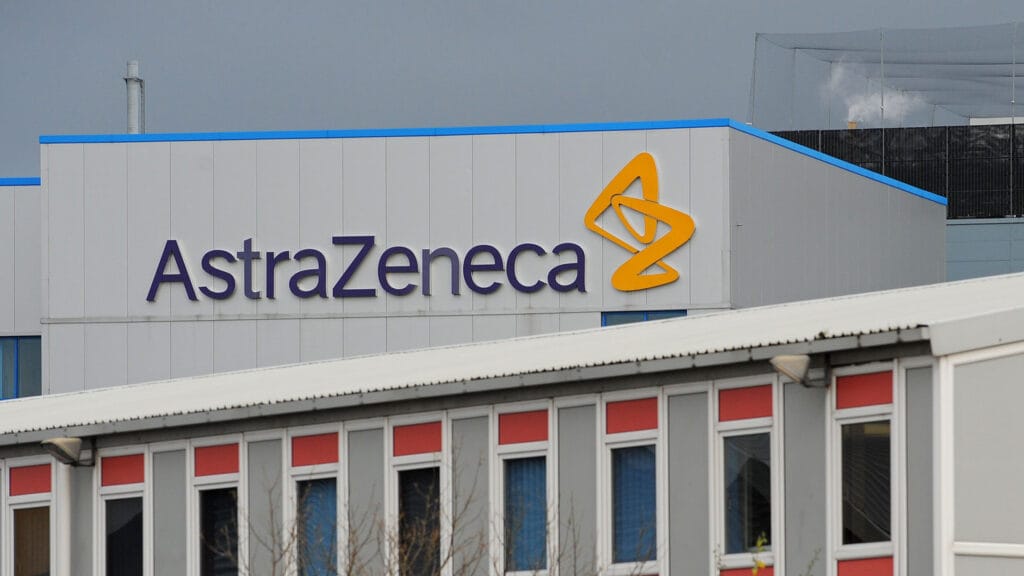
Industrial process heat, a pervasive yet often overlooked component of global manufacturing, stands as a critical frontier in the battle against climate change. Responsible for approximately 18% of global greenhouse gas emissions, its decarbonization presents a complex challenge, fundamentally different from the greening of electricity grids. Against this backdrop, the launch of initiatives like the Clean Heat Program signals a strategic pivot for major corporations and investors alike. This program, spearheaded by AstraZeneca, supply chain intelligence platform Secaro, and sustainability consultancy ERM, is designed to move companies beyond theoretical assessments to tangible implementation, offering a multi-faceted approach encompassing supply chain data, technical expertise, and crucial financing pathways. For investors navigating the evolving energy landscape, understanding such initiatives is key to identifying resilient, forward-thinking companies that are not only meeting regulatory and stakeholder demands but also strategically positioning themselves against future energy price volatility.
The Unyielding Challenge of Industrial Heat Decarbonization
Despite a surging tide of corporate net-zero commitments—with roughly 65% of companies now reporting such targets and a 14% increase in Science Based Targets initiative (SBTi) adoption last year—the decarbonization of industrial heat remains a stubbornly difficult endeavor. Unlike the relatively straightforward pathway to renewable electricity, industrial processes often demand high temperatures, historically reliant on fossil fuels such as natural gas. The alternatives, including electrification, green hydrogen, or biomethane, necessitate substantial infrastructure overhauls and significant operational adjustments, presenting both technical complexity and financial hurdles for many industries. This continued reliance on conventional fossil fuels to power manufacturing and processing is increasingly seen not just as an environmental concern, but as a “strategic risk” for businesses. As Emily Prior, Chief Growth Officer at Secaro, aptly notes, “Decarbonizing heat is now business critical,” underscoring its role in revenue protection, insulation from energy price shocks, and compliance with evolving regulatory and investor expectations.
Market Dynamics and the Imperative for Energy Resilience
The current energy market snapshot vividly illustrates the very volatility that programs like Clean Heat aim to mitigate. As of today, Brent Crude trades at $92.9, reflecting a slight daily dip of 0.36% within a range of $92.57 to $94.21. Similarly, WTI Crude stands at $89.25, down 0.47% for the day. While these daily movements appear modest, the broader context reveals significant shifts; Brent, for instance, has declined from $101.16 on April 1st to $94.09 on April 21st, representing a notable 7% drop over just 14 days. This recent downward trend, following periods of elevated prices, underscores the unpredictable nature of fossil fuel markets. For industrial operations heavily dependent on natural gas or other petroleum products for process heat, such price swings directly impact operational costs and profitability. The Clean Heat Program, by helping firms reduce their exposure to this fossil fuel volatility, offers a compelling value proposition that aligns directly with a company’s financial resilience, making it an attractive proposition for investors seeking stable returns in an uncertain energy future.
Investor Focus: Navigating the Green Transition with Strategic Foresight
Our proprietary reader intent data reveals a strong investor appetite for understanding market direction and identifying companies poised for future success. Questions like “is WTI going up or down” and “what do you predict the price of oil per barrel will be by end of 2026” highlight a clear focus on the future of energy prices and, by extension, the financial viability of companies heavily invested in or reliant on fossil fuels. In this environment, the Clean Heat Program speaks directly to a critical investor concern: how companies are addressing long-term energy security and decarbonization. Investors are increasingly scrutinizing corporate strategies for mitigating climate-related risks and capitalizing on opportunities in the energy transition. Companies that proactively engage in initiatives like the Clean Heat Program, moving beyond mere climate pledges to concrete implementation across their supply chains, demonstrate a strategic foresight that can enhance their ESG profile, attract capital, and potentially outperform peers. This proactive stance signals a commitment to reducing operational costs linked to energy price shocks and meeting the escalating demands of regulators and environmentally conscious consumers, factors that are increasingly pivotal in investment decisions.
Forward Momentum: Anticipating Policy, Supply Chain Shifts, and Data-Driven Decisions
The effectiveness of initiatives like the Clean Heat Program will be significantly influenced by both micro-level supply chain intelligence and macro-level energy market dynamics. The program’s emphasis on a supply chain approach, moving beyond individual facilities to encompass entire value chains, positions it to respond to broader shifts. Looking ahead, the upcoming energy calendar provides critical data points that will continue to shape the investment landscape for industrial decarbonization. Key events include the EIA Weekly Petroleum Status Reports scheduled for April 22nd, April 29th, and May 6th, along with the Baker Hughes Rig Counts on April 24th and May 1st, and the highly anticipated EIA Short-Term Energy Outlook on May 2nd. While these reports primarily focus on traditional oil and gas supply and demand, their implications for natural gas prices and overall energy market stability are profound. Persistent volatility or sustained high prices for conventional fuels, as indicated by these reports, would amplify the economic rationale for investing in alternative, cleaner heat sources. The Clean Heat Program, with its integrated technical support and financing solutions, is designed to help companies interpret these market signals and translate them into actionable decarbonization projects, accelerating the deployment of solutions like electrification, hydrogen, or advanced biofuels, and fostering greater energy resilience across industrial sectors.
Conclusion
The Clean Heat Program represents a crucial step forward in addressing one of the most challenging segments of industrial decarbonization. By offering a practical, implementation-focused framework, it empowers businesses to mitigate strategic risks associated with fossil fuel dependence, meet ambitious climate targets, and satisfy the growing demands of investors and regulators. For investors, this initiative highlights the evolving criteria for evaluating long-term value in the energy sector: resilience to market volatility, commitment to emissions reduction, and strategic foresight in adopting sustainable operational models. As global energy markets continue to evolve and the pressure to decarbonize intensifies, programs that facilitate concrete action in hard-to-abate sectors like industrial heat will be instrumental in shaping the next generation of industry leaders and delivering sustainable returns.


