The energy transition is not just a theoretical concept; it is a landscape of tangible infrastructure projects, significant financial commitments, and evolving market dynamics. The recent news of Germany unlocking another €4.6 billion in EU funds after meeting its hydrogen targets underscores this reality. This substantial payout signals robust European commitment to decarbonization, a critical development for investors navigating the complex shifts within the global energy sector. While daily crude price movements capture immediate attention, these strategic investments in green hydrogen infrastructure lay the groundwork for long-term value creation and redefine the future energy mix, presenting both challenges and opportunities for traditional oil and gas players and new entrants alike.
Netherlands Forges Ahead: A New Era for Green Hydrogen Infrastructure
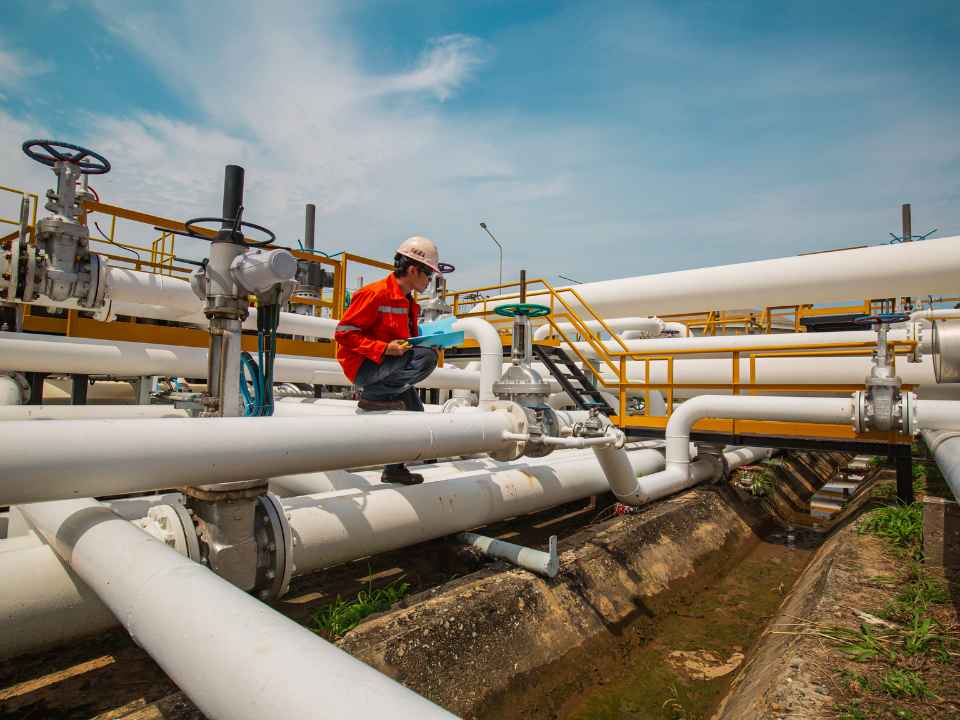
The practical realization of Europe’s hydrogen ambition is vividly demonstrated by the latest developments in the Netherlands. Gasunie subsidiary Hynetwork recently completed a pivotal milestone: the “golden weld” connecting the 200 MW Holland Hydrogen 1 plant at the Rotterdam Maasvlakte directly to the national hydrogen network. This isn’t merely a technical feat; it marks the first instance of a green hydrogen producer being integrated directly into national infrastructure. Performed by contractor Hanab, this connection follows the successful commissioning of the first 32 kilometers of hydrogen pipeline earlier this year, which involved filling it with green hydrogen and bringing it to operational pressure.
The strategic placement of this pipeline, largely running parallel to the A15 within an existing energy corridor that also hosts the Porthos CO2 pipeline, highlights an intelligent leveraging of existing infrastructure. This approach not only optimizes land use but also streamlines future expansion and integration. For investors, this signifies more than just a single project; it represents a foundational step in creating an interconnected hydrogen network crucial for the decarbonization of industrial clusters across the Netherlands and broader Northwestern Europe. These are the kinds of concrete, shovel-ready projects that translate policy into investable assets, moving hydrogen from concept to commercial reality.
Navigating Volatility: Crude Markets vs. Hydrogen’s Long-Term Vision
The strategic advancements in hydrogen infrastructure unfold against a backdrop of ongoing volatility in traditional hydrocarbon markets, a reality investors grapple with daily. As of today, Brent crude trades at $92.9 per barrel, reflecting a marginal decline of 0.36% within a day range of $92.57 to $94.21. Similarly, WTI crude stands at $89.25, down 0.47%, fluctuating between $88.76 and $90.71. Gasoline prices also saw a slight dip, trading at $3.1, down 0.64%.
Analyzing the broader trend, Brent crude has experienced a significant downturn recently, shedding over 7% in the past two weeks, dropping from $101.16 on April 1st to $94.09 by April 21st. This persistent downward pressure underscores the inherent sensitivity of crude markets to geopolitical events, demand forecasts, and inventory data. For investors, this contrast is stark: while traditional oil and gas markets offer immediate trading opportunities and exposure to short-term price swings, the hydrogen sector, buoyed by multi-billion-euro EU funds and national commitments, presents a more stable, albeit longer-term, investment horizon. The €4.6 billion unlocked for Germany, for instance, represents a direct injection of capital, de-risking early-stage infrastructure projects and signaling governmental intent to build out this new energy vector regardless of daily crude fluctuations.
Upcoming Catalysts and the Evolving Energy Outlook
The pace of energy transition, while steady, is punctuated by both hydrogen infrastructure milestones and critical market data releases for traditional fuels. Investors must monitor both to form a comprehensive view. In the immediate future, the market awaits several key data points that will further shape sentiment around crude and natural gas. The EIA Weekly Petroleum Status Report, due later today and again on April 29th and May 6th, will offer crucial insights into U.S. supply and demand dynamics. Similarly, the Baker Hughes Rig Count on April 24th and May 1st provides a pulse check on drilling activity, while API Weekly Crude Inventory reports on April 28th and May 5th offer another perspective on stock levels.
However, perhaps the most significant forward-looking event for the broader energy market is the EIA Short-Term Energy Outlook (STEO) scheduled for May 2nd. This report will provide updated projections for global oil demand, supply, and prices, directly impacting the investment thesis for both traditional and new energy sources. While the STEO focuses primarily on hydrocarbons, its long-term demand forecasts indirectly influence the urgency and scale of hydrogen investments. A projected slowdown in oil demand, for instance, could accelerate the pivot towards green alternatives, making the €4.6 billion EU funding for Germany and the Dutch pipeline connections even more strategically significant. These financial commitments and tangible infrastructure developments are key catalysts that will drive the hydrogen economy’s growth over the next decade, irrespective of the short-term gyrations in the fossil fuel complex.
Investor Focus: Capital Allocation in a Transforming Landscape
Our proprietary reader intent data reveals that investors are keenly focused on the future trajectory of the energy market. Questions like “is WTI going up or down?” and “what do you predict the price of oil per barrel will be by end of 2026?” highlight the prevalent short-term commodity speculation. Yet, intertwined with these are more strategic inquiries, such as “How well do you think Repsol will end in April 2026?” This question, specifically naming an integrated energy major, underscores investors’ concern about how traditional players are adapting to the energy transition.
The €4.6 billion EU payout for Germany’s hydrogen progress and the operational advancements in the Dutch hydrogen network directly address these long-term strategic concerns. For companies like Repsol, or other energy majors, these developments are not peripheral; they are central to their future relevance and profitability. Leveraging existing engineering expertise, project management capabilities, and infrastructure networks will be critical for these companies to participate in the burgeoning hydrogen economy. The flow of substantial public funds into hydrogen infrastructure de-risks initial investments and provides a clear signal of long-term policy support. This creates a compelling investment thesis for companies that can pivot effectively, integrating green hydrogen into their portfolios and leveraging their existing assets for production, transportation, or end-use applications. Investors seeking sustainable growth in the energy sector should closely monitor not just daily crude prices, but also the consistent, albeit slower, build-out of the hydrogen value chain, backed by significant governmental and supranational funding.