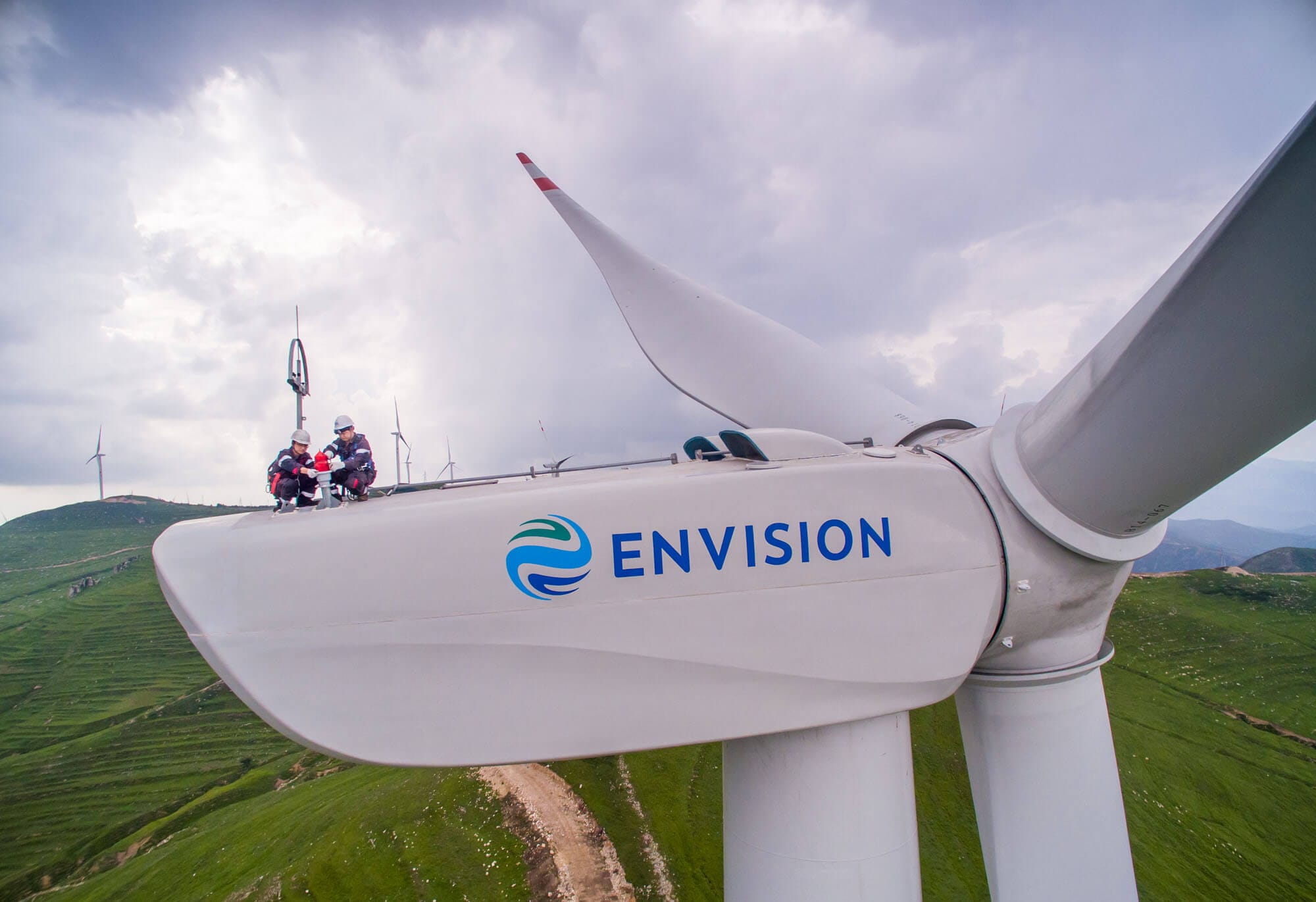
The global energy investment landscape continues its dynamic evolution, with capital increasingly flowing towards sustainable solutions while traditional oil and gas markets navigate their own complexities. A recent $600 million equivalent sustainability-linked syndicated loan for a major renewable energy systems provider signals a powerful trend: a robust appetite among international lenders for climate-aligned industrial growth. This financing, marking the largest non-project offshore deal for the company, was significantly oversubscribed, expanding from an initial $500 million, and drew participation from 13 international banks spanning Europe, Asia, the Middle East, and Australia. For energy investors, this event is not just a headline; it’s a clear indicator of where a significant portion of institutional capital is being strategically deployed, creating both opportunities and competitive pressures across the broader energy sector.
ESG Capital’s Ascendance: A New Benchmark in Energy Financing
The successful closure of this $600 million sustainability-linked loan facility is a testament to the growing maturity and appeal of ESG-focused financing. Structured as a 1+2 year term loan, the facility’s borrowing costs are directly tied to the company’s ability to achieve specific environmental performance targets. These key metrics include reducing the intensity of Scope 3 greenhouse gas emissions across its extensive value chain and significantly increasing its annual global wind turbine installed capacity. This innovative structure provides a tangible mechanism for accountability, rewarding the company for meeting its climate objectives with potentially lower interest rates, and conversely, imposing higher costs if targets are missed. This mechanism is increasingly becoming a standard feature in large-scale clean energy deals, reflecting a broader investor demand for measurable environmental outcomes alongside financial returns. The sheer volume of demand that pushed the loan from $500 million to $600 million, coupled with the diverse geographical representation of the participating banks, underscores a global consensus among financial institutions about the long-term viability and strategic importance of investing in renewable energy systems, energy storage technologies, and green hydrogen solutions.
Navigating Volatility: The Macro Backdrop for Energy Investors
While the renewable sector attracts substantial ESG-linked capital, the traditional hydrocarbon market continues to experience its own set of dynamics. As of today, Brent crude trades at $92.61 per barrel, reflecting a modest decrease of 0.68% within the day’s range of $92.57-$94.21. Similarly, WTI crude stands at $89.26 per barrel, down 0.46% with a daily range between $88.76 and $90.71. This current price point for Brent represents a notable decline from $101.16 just three weeks ago, marking a 7% reduction over the past 14 days. Such volatility in benchmark crude prices contrasts sharply with the steady, long-term capital commitments seen in the sustainable finance space. Investors in the broader energy market must constantly weigh these short-term price fluctuations and their impact on hydrocarbon producers against the long-term, structurally supported growth narrative of the energy transition. The divergence in capital flow and risk perception between these two segments of the energy market highlights the complex strategic decisions facing portfolio managers today.
Forward Momentum: Upcoming Catalysts for Energy Market Insight
The immediate future holds several critical data releases that will offer further clarity on supply, demand, and sentiment within the traditional energy sector. This week alone, investors are anticipating the EIA Weekly Petroleum Status Report on Wednesday, April 22nd, followed by the Baker Hughes Rig Count on Friday, April 24th. These reports, alongside the API Weekly Crude Inventory on April 28th and subsequent EIA and Baker Hughes updates in early May, provide essential granular data on crude inventories, refinery activity, and drilling operations. Beyond these weekly snapshots, the EIA Short-Term Energy Outlook scheduled for May 2nd will offer a more comprehensive forecast, potentially influencing market expectations for the remainder of 2026 and beyond. While the sustainability-linked financing exemplifies a long-term strategic shift, these upcoming events will dictate the near-term trading environment and capital allocation decisions for many investors still heavily exposed to, or looking for entry points in, the conventional oil and gas space. Understanding the interplay between these short-term market movers and the accelerating long-term energy transition is paramount.
Investor Sentiment: Balancing Immediate Concerns with Long-Term Vision
Our proprietary reader intent data reveals a consistent preoccupation among investors with the trajectory of crude prices and the stability of the market. There’s a clear and persistent inquiry into the future direction of WTI crude and projections for oil prices per barrel by the end of 2026. This focus on price discovery and future valuation underscores the ongoing need for robust data and sophisticated analytical tools to navigate market uncertainties. While investors are keenly focused on immediate price movements and seeking clarity on the outlook for traditional energy giants, the significant funding secured by renewable energy players like this highlights a parallel and equally powerful investment theme. Smart money is clearly balancing exposure to fluctuating hydrocarbon markets with strategic, long-term allocations to the energy transition. The demand for reliable data sources and advanced analytical platforms, as evidenced by questions regarding the underlying feeds for market intelligence, signifies an investor base striving for an informed edge in a rapidly segmenting energy market. Ultimately, the successful ESG financing deal serves as a powerful reminder that while short-term price volatility in oil captures headlines, the structural shift towards sustainable energy solutions continues to attract substantial and growing capital commitments globally.


