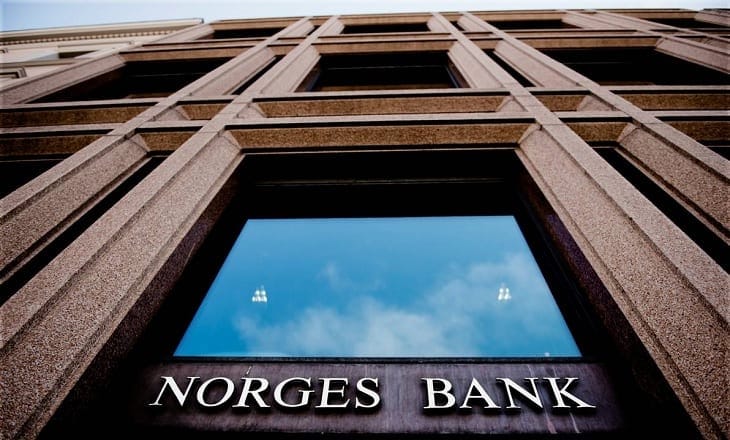
The energy investment landscape is undergoing a profound transformation, marked by a strategic pivot from some of the world’s largest capital allocators. In a significant move signaling this shift, British Columbia Investment Management Corporation (BCI), Norges Bank Investment Management, and Brookfield have jointly launched Northview Energy. This new privately held renewable energy platform debuts with a robust portfolio of 22 operating utility-scale wind and solar projects, totaling approximately 2.3 gigawatts (GW) of installed capacity across six U.S. power markets. This formidable consortium of institutional investors is not merely acquiring assets; they are making a calculated bet on the long-term stability and growth trajectory of contracted clean energy, offering a compelling case study for investors navigating an increasingly complex global energy market.
The Institutional Bet on De-Risked Renewables
The formation of Northview Energy underscores a deepening institutional preference for de-risked, predictable revenue streams within the energy sector. Unlike the often-volatile upstream oil and gas markets, the initial 2.3 GW portfolio consists of projects recently brought online, all underpinned by long-term power purchase agreements (PPAs) with investment-grade counterparties. These PPAs boast a weighted average remaining term of about 16 years, offering an exceptional degree of income visibility and stability. For sovereign wealth funds and large pension managers like Norges Bank and BCI, such an arrangement provides a crucial hedge against energy price fluctuations while aligning with their long-term decarbonization mandates. This strategic focus on contracted assets with established cash flows represents a mature evolution in renewable energy investing, moving beyond early-stage development risk to secure operational, income-generating infrastructure.
Navigating Volatility: A Contrast in Energy Investment Theses
While the Northview Energy deal highlights a push into stable renewables, it’s crucial for investors to contextualize this against the backdrop of ongoing volatility in traditional energy markets. As of today, Brent Crude trades at $93.57, reflecting a modest +0.35% increase within its daily range of $93.49-$94.21. Similarly, WTI Crude stands at $90.12, up +0.5% after trading between $89.71 and $90.71. However, zooming out reveals a more dynamic picture: Brent has seen a notable decline of approximately 7% over the past two weeks, falling from $101.16 on April 1st to $94.09 on April 21st. This recent downward trend, despite today’s slight rebound, underscores the inherent price sensitivity of crude markets to global supply-demand dynamics and geopolitical events.
This contrast is stark. While traditional oil and gas investments often offer higher potential upside linked to price surges, they also carry significant exposure to market downturns and geopolitical instability. The Northview Energy launch, with its emphasis on long-term, contracted renewable assets, represents a deliberate strategy to decouple returns from the daily gyrations of commodity prices. For institutional investors with multi-decade liabilities, the predictable cash flows from renewable PPAs offer a compelling alternative, providing resilience through energy market cycles and a more stable return profile compared to the often-speculative nature of crude oil trading.
Future Growth and Upcoming Market Catalysts
The Northview Energy platform is not merely an acquisition vehicle; it’s designed for substantial growth. The initial framework agreement outlines the potential to deploy up to an additional $1.5 billion in equity for new renewable acquisitions across both the U.S. and Canada. This forward-looking commitment signals a strong belief in the continued expansion of North America’s clean energy sector, driven by electrification trends, industrial reshoring, and the burgeoning energy demands of AI-related data centers. For investors tracking broader energy market dynamics, several upcoming events will provide critical context. This week, the EIA Weekly Petroleum Status Report (April 22nd and April 29th) will offer fresh insights into U.S. crude inventories, refinery activity, and demand, potentially influencing short-term oil price sentiment. The Baker Hughes Rig Count on April 24th and May 1st will shed light on drilling activity, a key indicator of future supply. Furthermore, the EIA Short-Term Energy Outlook on May 2nd will provide a macro-level forecast for both traditional and renewable energy, shaping projections for the broader energy mix. While these reports directly impact the traditional energy sector, their outcomes can indirectly bolster the appeal of contracted renewables as a stable alternative, particularly if they indicate increased volatility or uncertainty in fossil fuel markets.
Addressing Investor Sentiment: Stability in a Sea of Questions
Our proprietary reader intent data reveals a consistent theme among investors: a keen desire to understand the direction of energy markets and how to best position portfolios. Questions like “is WTI going up or down?” or “what do you predict the price of oil per barrel will be by end of 2026?” highlight the prevalent focus on short-term and medium-term price movements in crude. The launch of Northview Energy offers a powerful counter-narrative to this speculative mindset. Instead of betting on the fluctuating price of a barrel, this investment strategy focuses on securing long-term, predictable revenue streams from essential power generation. For investors seeking refuge from the inherent volatility of commodity markets, the Northview model exemplifies a strategy for capital preservation and steady growth through contracted infrastructure. This approach diversifies exposure away from direct commodity price risk, instead relying on the creditworthiness of counterparties and the essential nature of electricity generation. It’s a pragmatic response to the very uncertainties our readers are asking about, providing an alternative path to value creation in the energy transition.
The Blurring Lines of Energy Investment
The Northview Energy initiative is more than just a renewable energy deal; it’s a testament to the blurring lines within the broader energy investment landscape. Major institutional players, historically significant investors across all energy verticals, are increasingly segmenting their exposure, seeking specific risk-reward profiles. The move into contracted renewables by BCI, Norges Bank, and Brookfield demonstrates a clear appetite for stable, inflation-hedged returns distinct from the cyclical nature of traditional oil and gas. For existing oil and gas investors, this trend suggests a need to diversify and understand how large pools of capital are reallocating within the energy complex. While fossil fuels remain critical, the growing scale and sophistication of renewable platforms like Northview Energy signify a maturing market where predictable cash flows and long-term sustainability are becoming equally compelling investment propositions.


