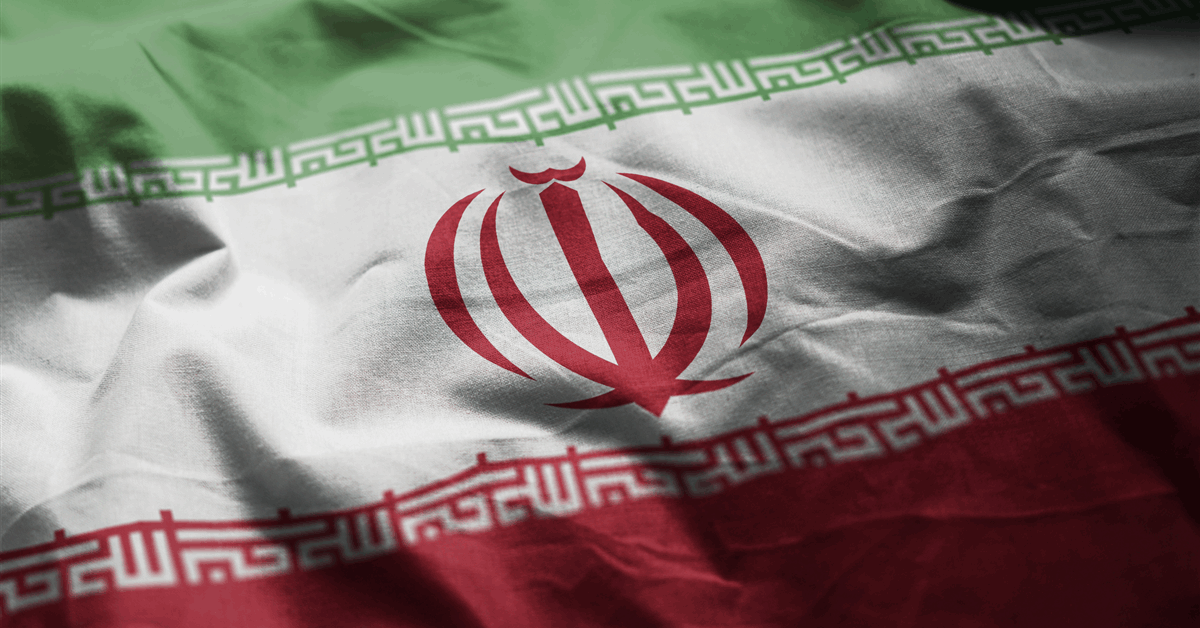
The global oil market finds itself at a critical juncture, directly impacted by escalating geopolitical tensions in the Middle East. Recent declarations from Iran’s Revolutionary Guard Corps regarding the Strait of Hormuz have explicitly signaled oil as a primary weapon in their retaliatory strategy. This strategic pivot means that the U.S. gasoline pump, far from being an isolated domestic issue, has become an integral part of an international geopolitical battlefield. For investors, this translates into an immediate need to re-evaluate risk premiums, supply chain vulnerabilities, and potential price trajectories as market volatility intensifies.
Iran’s Strategic Escalation and the Threat to Global Oil Flows
In a move that sends tremors through global energy markets, Iran has made its intentions clear: oil is its weapon of choice. The Revolutionary Guard Corps recently declared the Strait of Hormuz closed, threatening any vessel attempting passage. This is not mere rhetoric; it’s a direct challenge to the artery of global oil trade, through which roughly one-fifth of the world’s total petroleum consumption passes daily. The escalation of retaliatory strikes across the region confirms a clear shift in strategy, confirming that oil installations and shipping lanes are now squarely in the crosshairs. While a full, sustained closure of the Strait might be difficult to maintain, the constant threat of disruption, heightened risk of strikes, and potential for reduced flow are more than sufficient to inject significant uncertainty and upward pressure into crude oil prices. This strategic weaponization targets not only oil infrastructure but also aims directly at the economic stability of key consumer nations, with the U.S. gasoline pump emerging as a critical, visible point of impact.
Current Market Snapshot: Navigating Volatility Amidst Geopolitical Jitters
The immediate impact of these heightened tensions is observable in live market data, though the full extent is still unfolding. As of today, Brent Crude is trading at $94.09, reflecting a modest daily gain of 0.91%, within a daily range of $93.52 to $94.21. WTI Crude follows a similar pattern, currently at $90.59, up 1.03% for the day. However, looking at the broader trend, Brent has seen a notable shift from $101.16 at the beginning of April to its current level, marking a 7% decline over the past two weeks before today’s slight rebound. This broader trend indicates that while recent geopolitical developments are critical, the market was already navigating other supply/demand dynamics. Nevertheless, the explicit threats to the Strait of Hormuz introduce a fresh, substantial risk premium. On the consumer front, U.S. gasoline prices reflect these underlying pressures. The national average gasoline price stands at $3.13 per gallon today, showing stability from yesterday but following a clear upward trajectory in recent weeks. This upward creep at the pump serves as a tangible manifestation of geopolitical tensions, directly impacting consumer sentiment and economic policy considerations.
Upcoming Catalysts and Investor Outlook
For discerning investors, understanding the forward trajectory of oil prices requires close attention to both geopolitical developments and scheduled market catalysts. Many investors are currently asking about the immediate direction of WTI, and more broadly, what the price of oil per barrel will be by the end of 2026. These questions underscore the need for vigilance. In the coming weeks, a series of key data releases will provide critical insights into supply and demand fundamentals, potentially amplifying or mitigating the geopolitical risk premium. Tomorrow, April 22nd, the EIA Weekly Petroleum Status Report will offer the latest snapshot of U.S. crude inventories, refinery activity, and product supplied. This will be followed by the Baker Hughes Rig Count on April 24th, providing an early indicator of future drilling activity and potential supply responses. Further EIA and API inventory reports are scheduled for April 28th, April 29th, May 5th, and May 6th, offering continuous updates on U.S. stockpiles. Crucially, the EIA Short-Term Energy Outlook on May 2nd will provide a comprehensive forecast for global and domestic energy markets, offering a valuable perspective on the supply-demand balance through the end of 2026. These events will overlay a volatile geopolitical landscape, shaping market expectations for WTI and Brent. Given the explicit weaponization of oil, and the political implications for administrations facing upcoming elections, any data indicating tighter markets or supply disruptions will be heavily scrutinized, potentially pushing prices towards the $100 per barrel mark and beyond if a diplomatic “offramp” isn’t found.
Strategic Positioning for Heightened Volatility
The current environment demands an agile and well-researched investment strategy in the oil and gas sector. The explicit threat to the Strait of Hormuz introduces an unprecedented level of supply-side risk that cannot be ignored. Investors should consider positioning in companies with robust balance sheets and diversified assets that may be less exposed to immediate geopolitical disruptions, or conversely, those that stand to benefit from sustained higher prices. Exploration and production (E&P) companies, particularly those with exposure to less politically volatile regions, could see enhanced profitability. Midstream companies, while potentially insulated from direct price swings, could face scrutiny regarding shipping routes and insurance costs. Refiners might see margins widen if crude prices rise sharply but product prices lag due to political pressure to keep gasoline affordable. Hedging strategies, including futures and options, will be crucial for managing exposure to price volatility. Furthermore, the political dimension of the “battlefield” at the U.S. gasoline pump means potential policy interventions aimed at alleviating consumer pain, which could introduce another layer of complexity for investors to navigate. Staying informed through real-time market data and forward-looking analysis of upcoming events is paramount for identifying both risks and opportunities in this evolving landscape.


