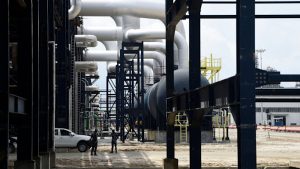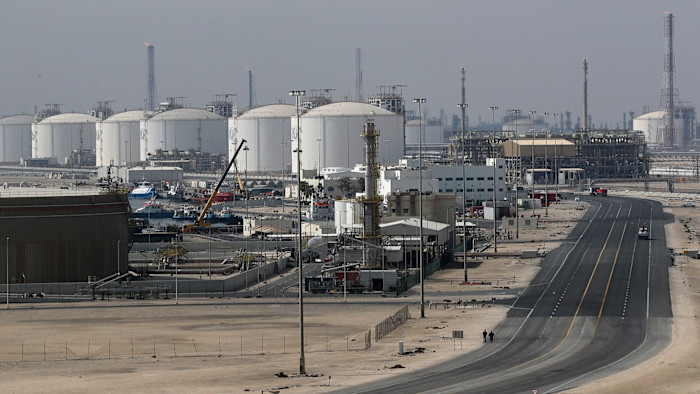
The global energy landscape is once again grappling with an unforeseen shock, as a recent series of attacks attributed to Iran forced QatarEnergy, the world’s largest liquefied natural gas (LNG) company, to halt production. This unprecedented shutdown, resulting from drone strikes targeting Qatari facilities, immediately sent shockwaves through energy markets, causing natural gas prices to surge dramatically and raising the specter of a new, potentially deeper energy crisis. With approximately 20% of global LNG supplies now offline, and the Middle East conflict showing signs of dangerous escalation, investors are confronting a complex web of geopolitical risk, supply disruption, and evolving demand dynamics that demand a clear-eyed assessment of market positioning.
The Unfolding Global Gas Crisis: Scale and Immediate Impact
The decision by QatarEnergy to cease operations represents a critical pivot point for global natural gas markets. Following the news, Europe’s benchmark TTF natural gas prices recently surged by almost 50%, touching €47.80 per MWh before settling around €44.70 per MWh. This marks the most significant daily price movement in over four years, underscoring the market’s acute sensitivity to supply disruptions. The timing is particularly precarious, as Europe continues to navigate post-winter inventory levels that analysts describe as unusually low, while much of the anticipated new U.S. LNG supply growth has yet to fully materialize. Experts now warn that a prolonged cessation of Qatari supplies could remove as much as 120 billion cubic meters per year from the global market. To put this into perspective, this volume significantly exceeds the approximately 80 billion cubic meters of pipeline gas that Europe lost in the wake of Russia’s actions in 2022. The implications for energy security are profound, especially for nations heavily reliant on Qatari LNG, such as India, which sources over 45% of its imports from the Gulf state, and China, for whom Qatar accounts for 30% of its LNG supply. The potential for a “cascade of economic harm” is a serious concern for policymakers and investors alike, as competition for available LNG cargoes intensifies between European and Asian buyers.
Crude Market Volatility and Investor Sentiment
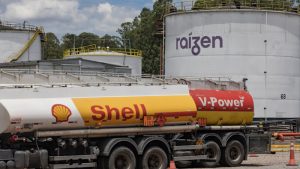
While the immediate and most severe impact of the attacks has been felt in the natural gas sector, the crude oil market has also reacted with heightened volatility, primarily due to the near-complete halt of shipments through the vital Strait of Hormuz. Following the initial reports, oil prices saw an approximate 8% rise, with Brent crude briefly touching around $78.30 a barrel. However, as of today, Brent Crude trades at $93.93 per barrel, showing a modest 0.74% gain on the day, while WTI Crude stands at $90.35, marking a 0.76% gain within a day range of $89.71-$90.70. This current pricing suggests a market grappling with short-term geopolitical shocks amidst broader trends. Our proprietary data indicates that Brent crude has faced significant downward pressure over the past fortnight, dropping nearly 20% from $118.35 at the end of March to $94.86 just yesterday, highlighting the market’s underlying sensitivity to a range of factors beyond just immediate conflict. Our reader intent data reveals a clear preoccupation among investors with the direction of WTI, with common queries like “is WTI going up or down?” indicating a pervasive uncertainty. This underscores the market’s struggle to price in the full extent of geopolitical risk against global demand signals and broader macroeconomic headwinds. Major energy companies with significant investments in Qatar’s LNG facilities, including Shell, ExxonMobil, TotalEnergies, and ConocoPhillips, will be closely watched by investors for any updates on asset exposure and operational continuity.
Forward Outlook: Key Events Shaping the Next Fortnight
Looking ahead, the next two weeks will be critical in shaping market sentiment and price trajectories, particularly as investors seek clarity on the duration of the Qatari shutdown and the broader geopolitical environment. Our proprietary event calendar highlights several key upcoming milestones. On April 21st, the OPEC+ Joint Ministerial Monitoring Committee (JMMC) meeting will be closely scrutinized for any signals regarding crude oil production policy. In light of the escalating Middle East tensions and potential Strait of Hormuz disruptions, any indication of supply adjustments or reassurances from the cartel could significantly influence crude prices. Furthermore, the market will be closely watching for fresh U.S. inventory data with the EIA Weekly Petroleum Status Reports on April 22nd and April 29th, complemented by the API Weekly Crude Inventory releases on April 28th and May 5th. These reports offer vital insights into U.S. supply and demand dynamics, which remain a crucial component of the global energy balance. The Baker Hughes Rig Count on April 24th and May 1st will provide a gauge of future production capacity, while the EIA Short-Term Energy Outlook on May 2nd will offer a more comprehensive forecast, potentially incorporating the latest geopolitical developments. Many of our readers are looking further out, asking “what do you predict the price of oil per barrel will be by end of 2026?” The interplay of these immediate events, the ongoing conflict, and the strategic responses of key producers will heavily influence the long-term outlook for energy prices, making proactive monitoring of these dates essential for informed investment decisions.
Investment Implications and Geopolitical Risk Premium
The current confluence of events demands a reassessment of investment strategies in the energy sector. The abrupt halt of Qatari LNG production, coupled with the ongoing conflict, has injected a substantial geopolitical risk premium into energy assets. This premium is not just a reflection of immediate supply fears but also the potential for sustained instability in a region critical to global energy flows. Investors are still reeling from the inflationary shock that began four years ago, which initiated the first prolonged rise in interest rates since the 2008 financial crisis. The current situation could exacerbate inflationary pressures, particularly if natural gas prices remain elevated and crude oil markets tighten further. Companies with significant exposure to the Middle East, either through upstream assets, LNG facilities, or shipping routes, face increased operational and financial risks. Conversely, domestic producers in regions like North America, less directly exposed to the immediate conflict, might see increased relative attractiveness. The sheer scale of Qatar’s LNG contribution – providing critical energy to over 120 countries and forming approximately 60% of its GDP – underscores the potential for widespread economic disruption. For investors, this environment necessitates a careful balance of risk and reward, favoring resilient companies with diversified portfolios and robust supply chain strategies. Monitoring the evolving conflict and its regional impact, alongside fundamental market data, will be paramount in navigating these volatile waters and identifying opportunities amidst the heightened uncertainty.