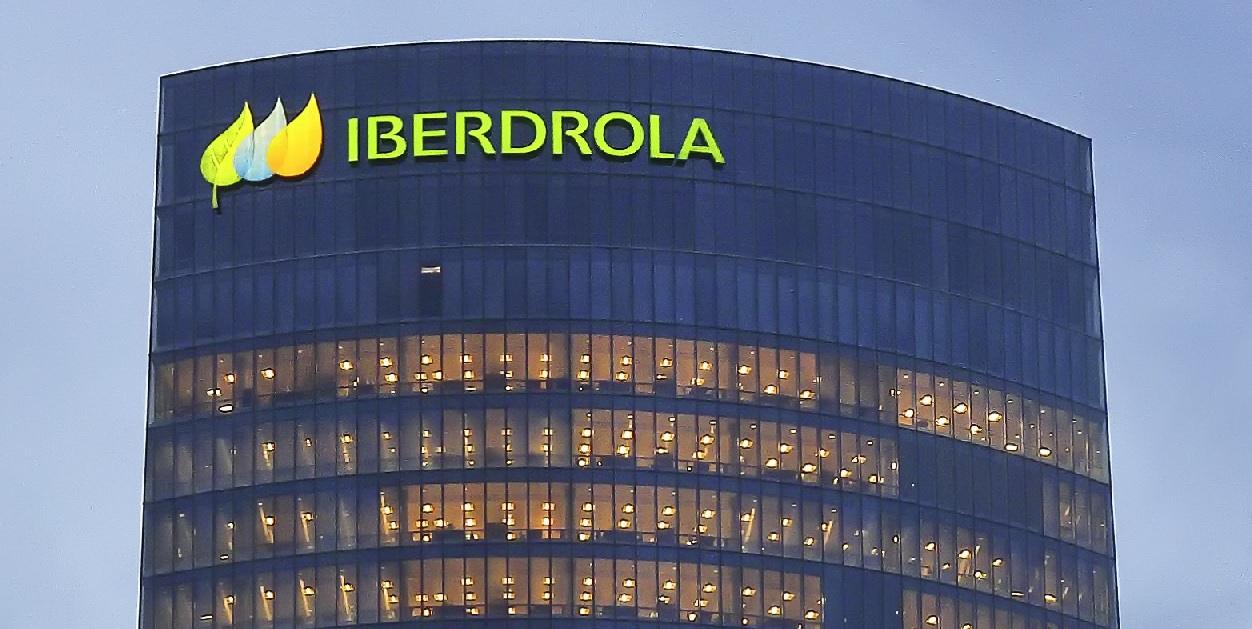
Iberdrola’s recent foray into the capital markets, successfully issuing a €600 million ($700 million equivalent) green hybrid bond, underscores a pivotal moment for both the company and the broader sustainable finance landscape. This strategic move, securing a 3.95% coupon and achieving what’s described as the lowest premium for a Spanish issuer in this format, demonstrates astute timing and a clear understanding of evolving investor priorities. As a leading utility, Iberdrola’s ability to attract over €5 billion in orders from nearly 280 international investors, with a significant 62% allocated to sustainable investors, sends a strong signal about the growing appetite for credible, ESG-aligned investment opportunities, even amidst dynamic energy market conditions.
Seizing the Green Capital Opportunity Amidst Market Swings
The timing of Iberdrola’s bond issuance appears particularly strategic, capitalizing on favorable market conditions post-earnings and ahead of anticipated competing supply in the capital markets. This successful placement, which refinances an existing instrument due for repurchase at the end of April, locked in highly competitive funding costs. Such financial dexterity is critical in an energy environment characterized by both structural shifts and short-term volatility. As of today, Brent crude trades at $93.81, marking a 0.61% increase, while WTI crude stands at $90.27, up 0.67%. However, our proprietary data reveals a more significant trend over the past two weeks, with Brent experiencing a notable decline of nearly 20%, falling from $118.35 on March 31st to $94.86 on April 20th. This sharp reduction in fossil fuel prices can create a nuanced backdrop for capital allocation, potentially enhancing the relative attractiveness of stable, green investments for funds seeking long-term resilience and ESG alignment. The overwhelming demand for Iberdrola’s bond, particularly from sustainable investors, reinforces this narrative, showcasing how well-structured green instruments can attract deep pools of capital irrespective of immediate swings in commodity markets.
Navigating Regulatory Tailwinds and Investor Intent Signals
A key differentiator for Iberdrola’s new green hybrid bond is its dual alignment with ICMA’s Green Bond Principles and, significantly, the European Green Bond Standard (EU Green). This commitment positions the transaction within the evolving EU regulatory architecture for sustainable finance, enhancing transparency and comparability. For C-suite leaders and institutional investors alike, this early adoption of the EU Green framework signals regulatory readiness and a proactive approach to mitigating greenwashing risks, thereby strengthening issuer standing with ESG-focused capital pools. Our proprietary reader intent data from the past week highlights a deep investor interest in market direction and long-term outlook. We’ve observed frequent inquiries such as “is WTI going up or down?” and “what do you predict the price of oil per barrel will be by end of 2026?” These questions underscore a pervasive desire for clarity in a complex energy landscape. Furthermore, specific queries about the performance of other Spanish energy majors, like Repsol, indicate a regional focus among investors. Iberdrola’s green bond, by providing a transparent and regulated avenue for sustainable investment, directly addresses this demand for certainty and credibility, offering a tangible pathway to participate in Europe’s accelerating electrification and decarbonization efforts.
Strategic Capital Management and Forward-Looking Energy Dynamics
The hybrid bond structure itself is a strategic financial instrument for utilities like Iberdrola, which require substantial capital expenditure for renewable generation and grid expansion. Under rating agency methodologies, these instruments are treated as 50% equity, providing crucial support for credit metrics and capital stability. This allows Iberdrola to fund its ambitious decarbonization investments while maintaining a disciplined balance sheet. Looking ahead, the broader energy market remains highly dynamic, with several critical events on the horizon that will shape both commodity prices and investment sentiment. The OPEC+ JMMC Meeting, taking place today, 2026-04-21, is poised to offer immediate insights into global oil supply strategies. In the coming days, the EIA Weekly Petroleum Status Reports on 2026-04-22 and 2026-04-29, alongside the Baker Hughes Rig Count on 2026-04-24 and 2026-05-01, will provide essential data points on inventory levels and drilling activity, influencing short-term supply and demand outlooks. Investors will be particularly focused on the EIA Short-Term Energy Outlook on 2026-05-02, which provides comprehensive forecasts for global energy markets. Iberdrola’s proactive bond issuance, ahead of these significant data releases and potential market shifts, exemplifies a forward-thinking capital strategy designed to secure financing under optimal terms, insulating its long-term renewable growth objectives from potential future market volatility and increased borrowing costs.
Investment Implications for a Greener Future
Iberdrola’s successful green hybrid bond issuance serves as a powerful case study for how major energy players are strategically leveraging sustainable finance to advance their decarbonization agendas. The ability to command a historically low premium for a Spanish issuer, coupled with overwhelming demand from ESG-focused investors, highlights the premium placed on verifiable green credentials and robust regulatory alignment. For investors, this transaction reinforces the growing importance of integrating ESG factors into portfolio construction, particularly in the utility sector where capital-intensive transitions are underway. Companies that can demonstrate a clear pathway to sustainability, backed by transparent financial instruments like EU Green bonds, are increasingly positioned to attract significant capital flows. As Europe pushes towards greater energy security and electrification, the sustained access to labeled capital markets will remain central to the strategies of utilities like Iberdrola. This bond is not merely a financial instrument; it is a tangible reflection of the energy transition in action, offering investors a direct stake in the future of clean energy infrastructure and a blueprint for other energy companies aiming to navigate the evolving demands of global capital markets.


