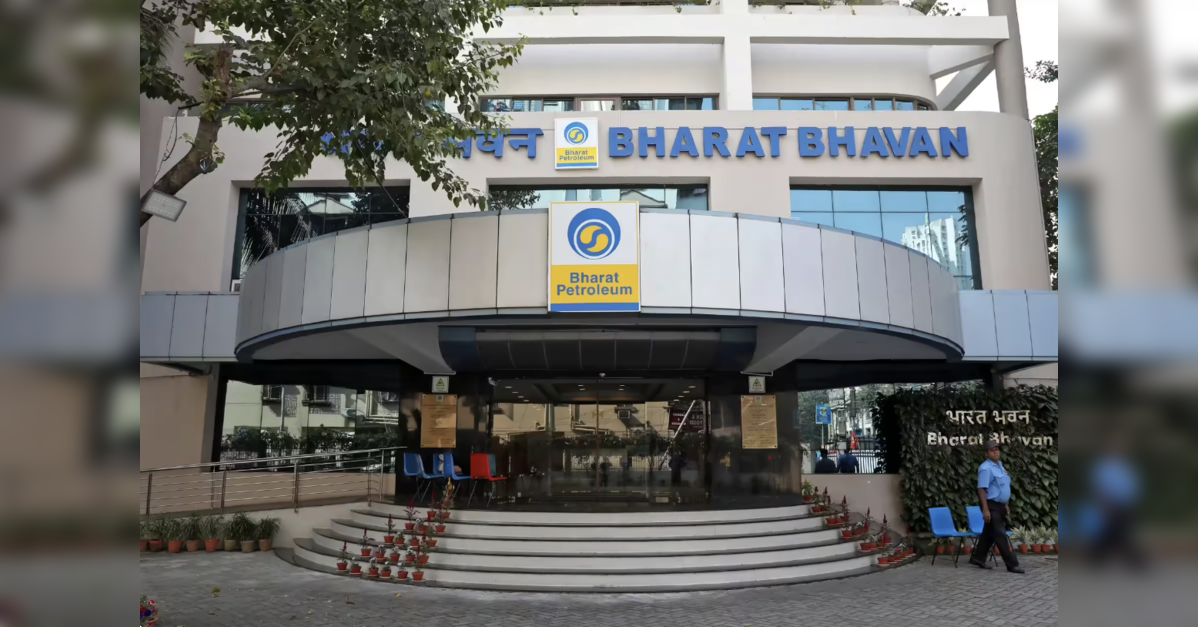
The energy sector, known for its intricate interplay of global geopolitics, supply-demand dynamics, and technological shifts, often presents investors with a unique set of micro-level risks that can significantly impact portfolio performance. A recent development involving Bharat Petroleum Corporation Ltd (BPCL) exemplifies this reality, as the state-owned refiner has been hit with a substantial excise demand totaling ₹1,816.65 crore. This development, while seemingly localized, underscores the persistent regulatory challenges companies face and provides a critical lens through which to evaluate investment strategies in the refining space, especially amidst a fluctuating global oil market.
The Anatomy of a Regulatory Challenge and its Financial Impact
BPCL’s disclosure of a ₹1,816.65 crore demand from the Commissioner of Central Tax and Central Excise, Kochi, signals a significant financial overhang for the company. This substantial sum is broken down into ₹476.94 crore in core duty, a staggering ₹1,339.70 crore in applicable interest accrued up to the present, and a nominal penalty of ₹95,000. The claim spans a historical period from September 2004 to May 2010 and stems from 19 show cause notices that had been pending adjudication under Central Excise law for years. A major portion of this demand specifically relates to the pre-merger era of Kochi Refineries Limited (KRL), covering September 2004 to August 2006, highlighting the long tail of historical regulatory issues that can resurface. At the heart of the dispute is the adjudicating authority’s stance that BPCL and KRL were “related parties,” thereby disallowing the use of the refinery gate price for excise valuation. Instead, the department applied a valuation methodology based on the highest price observed across all clearances for the entire fortnight, a significant departure from BPCL’s established pricing practices. While BPCL has announced its intention to appeal this order before the Customs, Excise and Service Tax Appellate Tribunal (CESTAT), the immediate financial implication and the potential for a drawn-out legal battle introduce a layer of uncertainty for shareholders and prospective investors.
Broader Market Context and Investor Concerns Amidst Volatility
This regulatory challenge for BPCL unfolds against a backdrop of considerable volatility in global energy markets. As of today, Brent crude trades at $93.86, showing a 3.79% increase within the day’s range of $89.11 to $95.53. Similarly, WTI crude is priced at $90.22, up 3.2% from its daily low of $85.5. This daily uptick, however, contrasts sharply with the recent two-week trend, where Brent crude has shed nearly 20% of its value, plummeting from $118.35 on March 31st to $94.86 just yesterday. Such dramatic swings inevitably lead to investor apprehension, a sentiment clearly reflected in queries our readers are posing. Many are asking “is WTI going up or down?” and seeking predictions for “the price of oil per barrel by end of 2026?” The current gasoline price, standing at $3.13, up 3.29% today, further complicates the refining margin outlook. For investors, BPCL’s excise demand serves as a potent reminder that even in a macro environment dominated by oil price speculation, company-specific regulatory and legal risks can significantly impact valuations and returns, regardless of broader market direction. Understanding these idiosyncratic risks is crucial for building a resilient energy portfolio, especially when considering companies like Repsol, which some readers are actively tracking for their April 2026 performance.
Navigating Legal Recourse and Future Implications for Energy Investors
BPCL’s declared strategy to appeal the excise demand to the Customs, Excise and Service Tax Appellate Tribunal (CESTAT) is a standard procedure for challenging such orders. However, the path through the appellate system can be protracted, potentially tying up capital and management focus for an extended period. For investors, this means considering the potential for this contingent liability to weigh on BPCL’s balance sheet, even if provisions are made. While the eventual outcome of the appeal remains uncertain, the precedent set by such a valuation dispute could have broader implications for other refiners with complex corporate histories or inter-company transactions. Looking ahead, the wider energy calendar offers a mix of macro drivers that will continue to shape the sector. The upcoming **OPEC+ JMMC Meeting on April 21st** is critical for gauging potential supply-side interventions, while the **EIA Weekly Petroleum Status Reports on April 22nd and April 29th** will provide vital insights into U.S. inventory levels and demand trends. Similarly, the **Baker Hughes Rig Count on April 24th and May 1st** offers a snapshot of upstream activity. For refiners, the **EIA Short-Term Energy Outlook on May 2nd** will be keenly watched for its projections on demand and refining margins. While these macro events dictate the overall market sentiment, specific regulatory challenges like BPCL’s demand highlight the importance of factoring in company-specific legal and operational risks when assessing investment viability. A company’s ability to effectively navigate such hurdles, even as external market forces fluctuate, is a key determinant of its long-term investment appeal.
Investment Outlook and Risk Management for the Refining Sector
The BPCL excise demand serves as a crucial case study for investors evaluating the refining sector. It underscores that due diligence must extend beyond financial statements and operational efficiencies to encompass a thorough understanding of a company’s regulatory compliance history, especially in jurisdictions with evolving tax and excise laws. For BPCL, even if the appeal is successful, the process itself can impact investor confidence, potentially affecting share price, dividend policies, and future capital allocation strategies. The sheer scale of the interest component, significantly larger than the principal duty, also highlights the severe financial penalties associated with long-standing disputes. Investors should consider how such demands might influence the attractiveness of state-owned enterprises (SOEs) in the energy sector, where historical practices and bureaucratic processes can sometimes lead to protracted legal battles. In a market where Brent crude has seen significant swings, from a high of $118.35 recently to today’s $93.86, managing both macro-economic and micro-regulatory risks becomes paramount. Ultimately, success in oil and gas investing hinges on a holistic approach that integrates a keen awareness of global energy trends with a deep dive into the specific operational, financial, and regulatory landscapes of individual companies.


