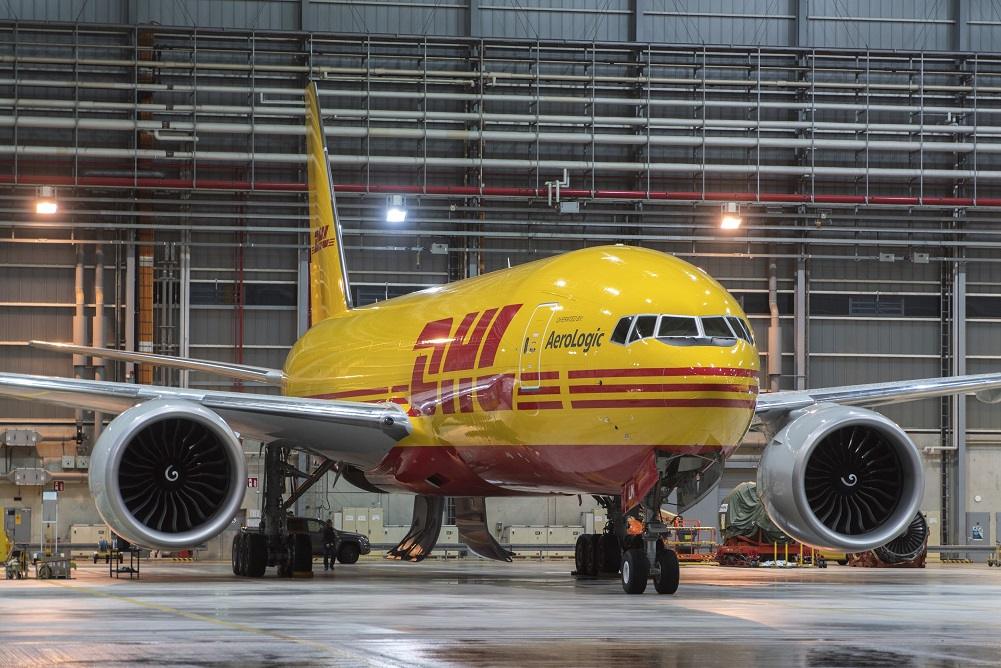
The global logistics sector, a cornerstone of crude oil demand, is undergoing a profound transformation. Recent announcements from industry titans like DHL Group signal a significant new headwind for traditional shipping fuel consumption. Their air and ocean freight division, DHL Global Forwarding, has launched an ambitious new decarbonization portfolio, GoGreen Plus, aimed at offering shippers tangible emissions reductions through sustainable fuels. This strategic pivot by a major player, driven by both corporate sustainability goals and rising customer demand for greener supply chains, is not merely an incremental change; it represents a structural shift that investors in the oil and gas sector must closely monitor as it promises to reshape demand dynamics for years to come.
Logistics Giants Pave the Way for Sustainable Shipping
DHL Global Forwarding’s new GoGreen Plus Portfolio introduces a suite of innovative products designed to enable real emissions reductions. At its core is the concept of “insetting,” where conventional fossil fuels are replaced by sustainable alternatives such as Sustainable Aviation Fuel (SAF) through a book-and-claim mechanism. The GoGreen Plus Base offering provides a default 10% emissions reduction for eligible shipments at a fixed flat rate, applicable across various markets, shipment types, and routes. This democratizes access to greener shipping, making decarbonization achievable for businesses of all sizes, with minimal additional effort or upfront investment. For larger customers with more ambitious goals, GoGreen Plus Premium offers up to an 85% emissions reduction, priced at the lane level, while GoGreen Plus Select provides tailored solutions for individual supply chains. This comprehensive approach, combined with DHL’s stated target of using 30% sustainable fuels by 2030 and achieving net-zero greenhouse gas emissions by 2050, underscores a serious commitment that will progressively erode demand for traditional bunker fuels. For investors, this means a gradual but persistent shift in the demand curve for refined petroleum products used in global freight.
Current Market Volatility Meets Long-Term Decarbonization Trends
The backdrop for these decarbonization initiatives is a dynamic and often volatile crude oil market. As of today, Brent Crude trades at $93.91 per barrel, marking a 3.85% increase from its opening, while WTI Crude stands at $90.38, up 3.39%. This daily uptick follows a significant downward trajectory for Brent, which plummeted from $118.35 on March 31 to $94.86 just yesterday, representing a nearly 20% decline over the past two weeks. Gasoline prices are also reflecting this broader market movement, currently at $3.13, up 2.96%. While daily price swings are commonplace, the sustained pressure from higher average prices over the long term, coupled with increasing regulatory and consumer demands for sustainability, creates a powerful incentive for logistics firms to pivot towards alternative fuels. Even as crude prices fluctuate, the underlying cost of carbon and the imperative to meet environmental targets make sustainable fuel investments increasingly attractive. This market reality means that even during periods of apparent strength for crude, the structural demand erosion driven by these decarbonization efforts continues to build silently in the background, shaping the long-term outlook for oil and gas companies.
Investor Focus: Navigating Structural Shifts Beyond Short-Term Swings
Our proprietary reader intent data reveals a clear preoccupation among investors with the immediate trajectory of oil prices, with questions like “is wti going up or down” and “what do you predict the price of oil per barrel will be by end of 2026?” dominating queries. While these short-term forecasts are critical, the emergence of widespread decarbonization strategies in key demand sectors, exemplified by DHL’s initiatives, adds a crucial layer of complexity that must inform any comprehensive investment thesis. Investors often focus on supply-side dynamics and geopolitical events, but the demand side is increasingly being shaped by corporate sustainability roadmaps. The gradual, yet inevitable, shift away from conventional fossil fuels in a sector as massive as global logistics means that a portion of future oil demand is structurally at risk. Companies committed to sustainable fuels and net-zero targets, like DHL with its 30% sustainable fuels by 2030 goal, are not just making a statement; they are actively re-engineering their fuel consumption patterns. This signals to investors that the long-term price outlook for crude oil and refined products will increasingly be influenced by the success and proliferation of these sustainable alternatives, demanding a more nuanced perspective than simply tracking daily price movements.
Upcoming Events and the Long-Term Demand Picture
As investors grapple with these evolving dynamics, several upcoming energy events will provide critical data points, though their interpretation must now include the context of accelerating decarbonization. The OPEC+ JMMC Meeting on April 21st will set the tone for near-term supply, but the silent elephant in the room is the future of demand influenced by initiatives like DHL’s. Any production decisions will implicitly contend with the growing push for sustainable fuels. Similarly, the EIA Weekly Petroleum Status Reports on April 22nd and 29th, alongside the API Weekly Crude Inventory updates on April 28th and May 5th, will offer snapshots of current demand and inventory levels. While these are vital for gauging immediate market health, investors should look beyond headline numbers for any signs of structural demand shifts in sectors heavily reliant on logistics. Perhaps the most pivotal event for a longer-term perspective will be the EIA Short-Term Energy Outlook on May 2nd. This report will be closely scrutinized for how it incorporates or acknowledges the impact of major logistics players committing to sustainable fuels. Does it project a significant rebalancing of bunker fuel demand? The confluence of these supply-side and inventory-focused reports with the demand erosion driven by decarbonization efforts creates a complex analytical challenge, underscoring that the future of oil demand is being shaped by more than just traditional market fundamentals; it’s increasingly influenced by strategic corporate and environmental imperatives.


