The global energy landscape is undergoing a profound transformation, marked by persistent market volatility and an accelerating shift towards sustainable investment. As traditional oil and gas markets navigate complex geopolitical currents and supply-demand dynamics, investors are increasingly looking beyond immediate price movements to identify long-term value drivers. This week, while the industry watches key indicators, a significant development in Egypt highlights how financial institutions are strategically deploying capital into sustainability initiatives, signaling a growing convergence of finance, social impact, and national development goals.
Navigating Volatility: The Shifting Investment Calculus for Energy
The current market snapshot underscores the very volatility that is pushing investors to diversify and consider broader investment themes. As of today, Brent Crude trades at $93.91, marking a 3.85% gain for the day, while WTI Crude stands at $90.38, up 3.39%. Gasoline prices are also up, at $3.13. However, a deeper look reveals a more turbulent picture: Brent has plummeted by nearly 20%, shedding $23.49 from $118.35 just two weeks ago to $94.86 yesterday. This stark decline, followed by a daily rebound, illustrates the intense price swings that have become characteristic of the crude market.
Our proprietary data shows that many investors are grappling with this uncertainty, with frequent queries like “Is WTI going up or down?” and “What do you predict the price of oil per barrel will be by end of 2026?” dominating discussions. This focus on price direction highlights the critical need for investment strategies that can either hedge against or capitalize on such fluctuations. In this environment, Environmental, Social, and Governance (ESG) considerations are evolving from a niche concern to a central pillar of risk management and value creation, offering a potential counterbalance to the inherent volatility of fossil fuel markets. Financial institutions, traditionally seen as facilitators of conventional energy projects, are now actively shaping the green transition through direct investments in sustainability infrastructure, even in unexpected sectors.
Egypt’s Green Ambition and the Fabric of ESG Investing
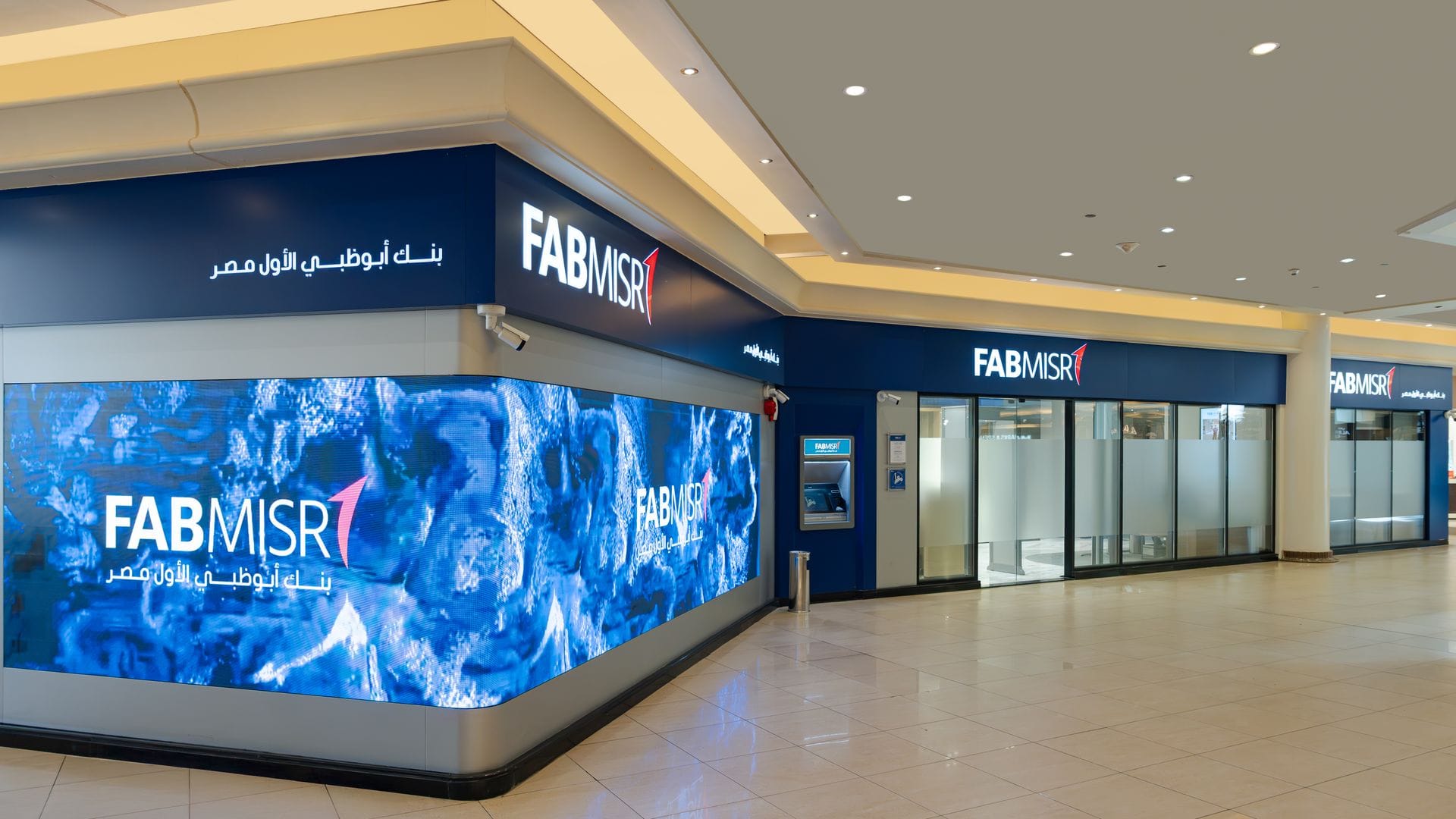
A prime example of this strategic pivot comes from Egypt, where First Abu Dhabi Bank Misr (FABMISR) has launched its “Green Schools for a Sustainable Future” initiative. This pilot program, debuting at Asmaa Secondary School for Girls in Maadi, Cairo, integrates renewable energy, water reuse, and waste management systems directly into public education infrastructure. Specifically, the project will install solar-powered greywater treatment units to provide irrigation for new green areas, alongside waste segregation stations for recycling. These tangible upgrades are projected to reduce on-site temperatures by four to five degrees Celsius, significantly mitigating heat stress and improving learning conditions.
Beyond the environmental benefits, the initiative holds substantial social and governance implications. It aligns directly with Egypt Vision 2030, the UN Sustainable Development Goals, and the national “Go Green” initiative, signaling robust governmental and societal support for sustainable development. By engaging 3,500 students and 150 teachers in environmental awareness training, FABMISR is not just funding infrastructure; it’s investing in human capital and fostering a generation equipped with sustainability literacy. This commitment from a major financial player, operating in partnership with the Ministry of Education and Ain El Bee’ah Association, serves as a powerful testament to the growing demand for and viability of ESG-aligned investments in emerging markets. For investors, this model of leveraging private finance for public good, with clear national policy backing, represents a replicable framework for impactful and sustainable growth.
Beyond Barrels: The Long-Term Value Proposition of Social Impact
While the immediate focus for many investors remains on the trajectory of crude prices, the FABMISR initiative underscores the long-term value proposition inherent in the “Social” and “Governance” components of ESG. The program’s commitment to educating 3,500 students and 150 teachers on sustainable practices is a direct investment in future societal resilience and economic productivity. This goes beyond simple philanthropy; it’s about building foundational knowledge and behavioral change that will contribute to a more sustainable workforce and consumer base. Such initiatives, while not directly impacting oil production quotas or refinery margins, are crucial for creating stable, well-governed environments conducive to long-term economic growth and investment.
Investors are increasingly scrutinizing how companies contribute to social good and uphold strong governance, recognizing that these factors can significantly impact brand reputation, regulatory compliance, and market access. The “Green Schools” program exemplifies how financial institutions can contribute to societal well-being while fulfilling their own sustainability mandates. For investors looking for a deeper understanding of long-term value, beyond the often-turbulent short-term commodity cycles, projects like these offer insights into how capital is being deployed to build resilient communities and economies, ultimately influencing future demand and investment flows across all sectors, including energy.
Upcoming Catalysts and the Divergence of Capital Allocation
The coming days will bring traditional energy market catalysts that will undoubtedly command attention. Tomorrow, the OPEC+ JMMC Meeting is scheduled, an event that frequently dictates short-term supply policy and market sentiment. This will be followed by the EIA Weekly Petroleum Status Reports on Wednesday and the Baker Hughes Rig Count on Friday, both critical indicators of supply and drilling activity. These events will drive immediate reactions in oil and gas prices, capturing the focus of many investors seeking to capitalize on market movements.
However, the FABMISR initiative in Egypt provides a crucial counterpoint to this traditional focus. It illustrates a parallel, yet equally significant, trend: the strategic diversion of capital towards long-term sustainability and social impact. While OPEC+ debates production cuts, financial institutions like FABMISR are actively investing in projects that foster renewable energy adoption and environmental education. This growing divergence in capital allocation strategies is a key theme for sophisticated investors. Understanding how financial institutions are increasingly integrating ESG into their core business and investment strategies, even as the traditional oil and gas sector continues to operate, is essential for building a truly diversified and future-proof portfolio. The questions our readers pose, from immediate price movements to long-term predictions for oil, demonstrate the need for a comprehensive view that encompasses both the immediate and the structural shifts defining the modern energy and investment landscape.


