Decarbonization at Scale: A Strategic Investment in Southern France
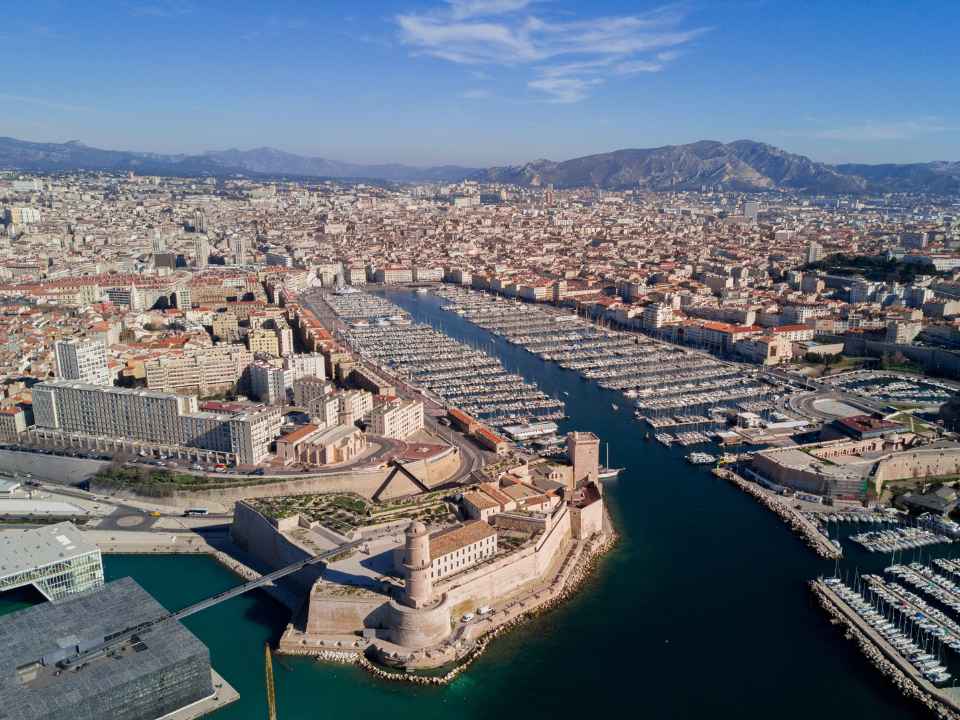
The recent agreement between the Port of Marseille Fos and H4 Marseille Fos marks a pivotal moment for industrial decarbonization in Southern France, anchoring a substantial €1.5 billion ($1.62 billion) investment in a cutting-edge low-carbon hydrogen and synthetic fuels complex. This project, spearheaded by the H2V and Hy2gen joint venture, secures a significant 46.6-hectare footprint on the Central Môle in Fos-sur-Mer, a region historically vital for heavy industry. The ambition is clear: establish three renewable hydrogen production units boasting a combined electrical capacity of 300MW, designed to deliver approximately 42,000 tonnes of low-carbon hydrogen annually. Crucially, this output will feed a downstream facility targeting up to 75,000 tonnes of renewable and low-carbon e-kerosene, a “drop-in” aviation fuel. For investors, this initiative represents a concrete step in the energy transition, positioning the region as a hub for sustainable aviation fuels (SAF) and creating 165 direct jobs within a burgeoning green economy.
Navigating Volatility: Traditional Fuels vs. Green Investment Horizons
The broader energy market currently presents a nuanced picture for investors considering long-term plays in both traditional and emerging sectors. As of today, Brent crude trades at $93.86, reflecting a robust +3.79% gain, with WTI crude similarly strong at $90.63, up +3.67%. Gasoline prices also saw an uptick, reaching $3.14. These daily gains, however, come against a backdrop of significant recent volatility. Our proprietary data shows Brent crude experienced a notable decline over the past 14 days, dropping from $118.35 on March 31st to $94.86 by April 20th, a decrease of $23.49 or nearly 20%. This sharp fluctuation in traditional oil prices underscores the inherent risks and uncertainties in fossil fuel investments, driven by geopolitical tensions, supply dynamics, and demand forecasts.
For discerning investors, this volatility in conventional energy markets naturally elevates the appeal of strategic, long-term investments in alternative fuels like those planned for Marseille Fos. Projects focused on low-carbon hydrogen and e-kerosene offer a compelling hedge against such price swings, providing exposure to a growth sector underpinned by global decarbonization mandates and increasing demand for sustainable solutions, particularly in hard-to-abate sectors like aviation. While upfront capital expenditure for green projects can be substantial, the predictable, policy-driven demand for their outputs offers a different risk-reward profile compared to the commodity-driven nature of traditional oil and gas. This project exemplifies how capital is being deployed to build infrastructure resilient to future energy transitions.
Investor Sentiment and the Future of Energy
Our first-party intent data reveals a consistent theme among investors: a keen focus on market direction and long-term price predictions. Questions like “is WTI going up or down?” and “what do you predict the price of oil per barrel will be by end of 2026?” highlight a preoccupation with short-term and medium-term commodity price movements. While these remain critical for traditional oil and gas portfolios, the Marseille Fos agreement offers a valuable perspective on the broader energy landscape that extends beyond immediate price forecasts.
Investors are increasingly grappling with how to balance returns from mature, hydrocarbon-centric assets with the imperative of funding the energy transition. The substantial investment in the Fos-sur-Mer complex, combining the expertise of H2V and Hy2gen, signals a growing confidence in the commercial viability of low-carbon solutions. This project directly addresses the need for scalable, industrial-grade alternatives, moving beyond pilot programs to full-scale production. It speaks to a future where energy security is increasingly intertwined with sustainability, and where companies strategically positioning themselves in the clean energy value chain are likely to see enhanced long-term performance, addressing the broader investor interest in company-specific outlooks within the evolving energy paradigm.
Upcoming Catalysts and the Road Ahead for Green Energy
The coming weeks are packed with significant events that will shape the global energy narrative, indirectly influencing the investment climate for both traditional and new energy projects. For instance, the OPEC+ JMMC Meeting scheduled for April 21st will be closely watched for any signals regarding production policy, which could introduce further volatility or stability to crude prices. Following this, the EIA Weekly Petroleum Status Reports on April 22nd and April 29th, alongside the Baker Hughes Rig Count on April 24th and May 1st, will provide crucial insights into supply and demand dynamics in the U.S. market. Most notably for a forward-looking perspective, the EIA Short-Term Energy Outlook on May 2nd will offer updated forecasts on global energy markets, setting the stage for investment decisions through the remainder of the year.
While these events primarily focus on conventional fuels, their outcomes directly impact the economic attractiveness and competitive landscape for projects like Marseille Fos. A period of sustained high oil prices could accelerate the transition towards alternatives, while significant oversupply might temporarily dampen enthusiasm. However, the long-term drivers for green energy projects remain robust, bolstered by increasingly stringent environmental regulations and corporate net-zero commitments. For the Marseille Fos project itself, investors should monitor key construction milestones, progress in securing offtake agreements for e-kerosene, and the regulatory environment for SAF incentives. These forward-looking elements, coupled with a keen eye on macro energy trends, will be critical for assessing the long-term investment potential of this strategic decarbonization effort.