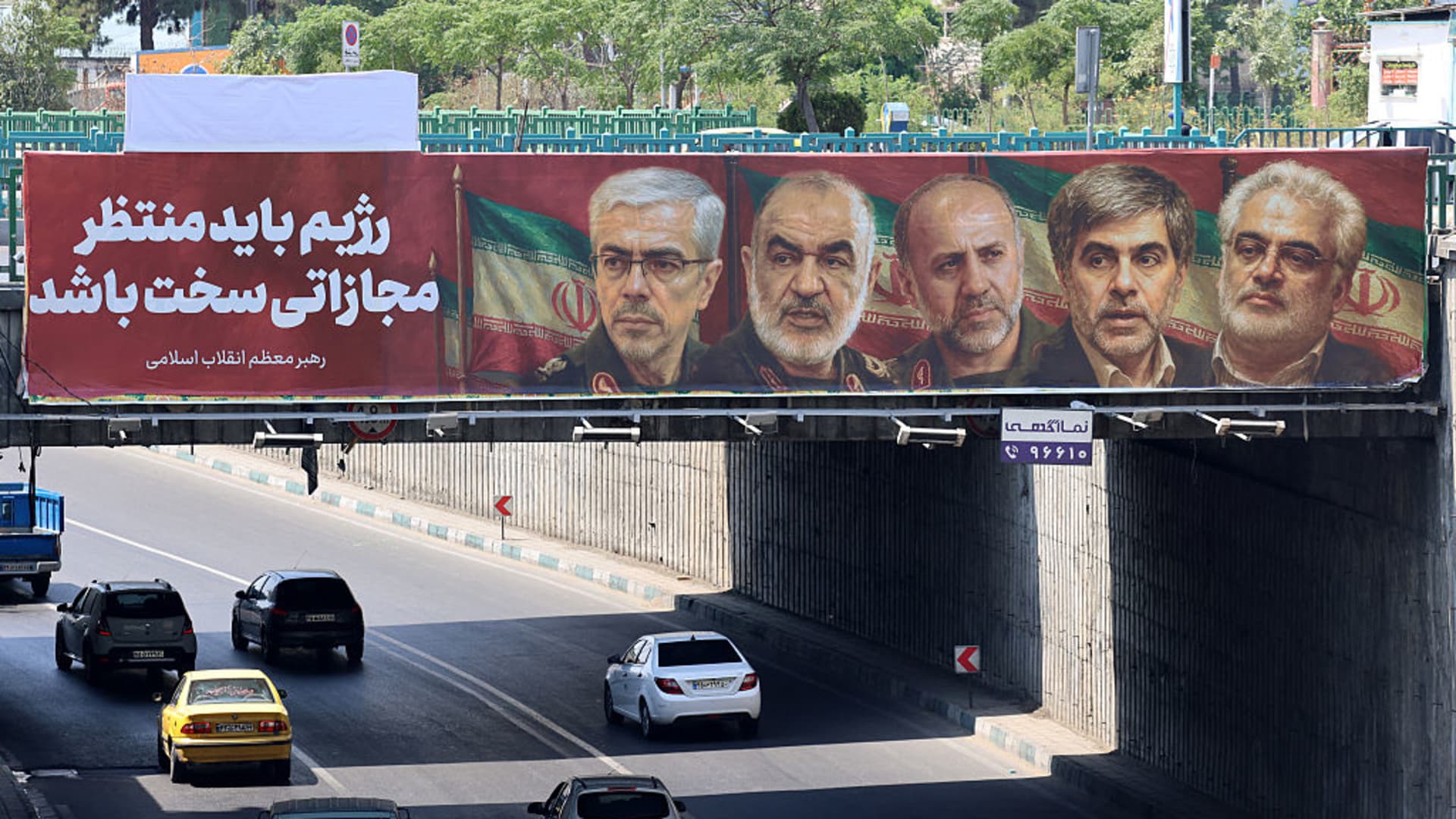
The geopolitical temperature surrounding Iran has undeniably risen, with assertive rhetoric emanating from Washington. Headlines frequently highlight potential military escalations, often triggering knee-jerk reactions in global oil markets. However, a deeper analysis of military capabilities and strategic intent suggests that while the rhetoric is amplified, the actual probability of a direct, large-scale U.S. military strike against Iran remains considerably lower than some market narratives imply. For astute energy investors, understanding this distinction is crucial to navigating the noise and focusing on the underlying fundamentals driving crude prices.
Geopolitical Bluster Meets Military Reality
U.S. President Donald Trump’s administration has escalated its pressure on Tehran following a crackdown on anti-government protests, signaling a hardening stance. The deployment of the USS Abraham Lincoln carrier strike group to the Middle East in January, bringing the total number of missile destroyers in the region to six, certainly projects a show of force. Further threats of “something very tough” if Iran fails to meet U.S. demands, including halting nuclear enrichment and ballistic missile programs, contribute to a perception of imminent military action. Yet, seasoned security analysts widely concur that current U.S. military assets in the region are insufficient for a significant, long-term operation necessary to achieve major objectives, such as regime change or neutralizing Iran’s formidable ballistic missile capabilities. Iran is not analogous to less complex regional adversaries; any engagement would be prolonged and costly, a scenario President Trump has historically expressed reluctance to pursue.
Market Dynamics and Investor Sentiment Amidst Tensions
Despite the heightened rhetoric, recent market movements reveal a more nuanced story regarding investor perception of geopolitical risk. As of today, Brent Crude trades at $92.99, marking a 2.83% gain, with WTI Crude at $89.40, up 2.26%. Gasoline prices have also seen an uptick, currently at $3.12, a 2.64% increase. While these daily gains might suggest a renewed risk premium, zooming out provides critical context. Our proprietary 14-day Brent trend data shows a significant decline from $118.35 on March 31 to $94.86 by April 20, representing a substantial $23.49 or 19.8% drop. This substantial cooling of prices over the past two weeks indicates that the market has largely unwound a significant portion of the geopolitical risk premium that was baked in earlier, suggesting that investors are increasingly discerning about the actual likelihood of military conflict.
Our internal reader intent data echoes this focus on price direction and future outlook. We’ve seen numerous inquiries this week asking, “is WTI going up or down?” and “what do you predict the price of oil per barrel will be by end of 2026?” While daily fluctuations are inevitable and driven by a multitude of factors, the overarching trend suggests that the market is currently less swayed by the immediate threat of military intervention in Iran and more by broader supply-demand dynamics and macroeconomic indicators. The recent price correction implies a recognition that while Washington’s rhetoric is strong, a full-scale military confrontation remains a low-probability event, allowing fundamentals to reassert their influence on pricing.
The Economic Pressure Campaign: A Preferred Strategy
Given the complexities and immense commitment required for military action, the Trump administration has consistently favored an economic pressure campaign against Iran. The vow to impose tariffs on any country acquiring goods or services from Iran underscores this strategy, aiming to cripple Tehran’s economy through financial sanctions rather than military force. This approach aligns with the understanding that the “Iran problem set does not lend itself to clean and easy military options.” While presidential actions are notoriously unpredictable, the significant costs and political ramifications of a prolonged conflict in the Middle East suggest that the economic leverage remains the primary tool. For investors, this means focusing less on the speculative “what if” of a military strike and more on the tangible impact of sanctions on Iranian crude exports and global supply, which tend to be a more predictable, albeit slower-moving, market driver.
Key Catalysts on the Horizon for Oil Investors
With the immediate geopolitical risk discounted, investors should pivot their attention to a series of upcoming events that will provide clearer direction for crude markets. The OPEC+ Joint Ministerial Monitoring Committee (JMMC) Meeting scheduled for April 21st is paramount. This gathering will offer crucial insights into production policy and compliance, directly impacting global supply expectations. Any signals regarding further output cuts or adherence to existing quotas will immediately influence price trajectories.
Furthermore, the regular inventory data releases will be critical. The EIA Weekly Petroleum Status Reports on April 22nd and April 29th, alongside the API Weekly Crude Inventory reports on April 28th and May 5th, will provide vital snapshots of U.S. crude stocks, refinery utilization, and product demand. Significant draws or builds in these reports can signal shifts in the supply-demand balance. The Baker Hughes Rig Count on April 24th and May 1st will also offer insights into future U.S. production trends. Finally, the EIA Short-Term Energy Outlook (STEO) due on May 2nd is a must-watch for any investor seeking a comprehensive forecast for oil, natural gas, and other energy markets. This report will be particularly relevant for those tracking long-term price predictions, including the “price of oil per barrel by end of 2026,” as it incorporates a wide array of economic and supply-side factors into its projections, independent of the day-to-day geopolitical rhetoric.