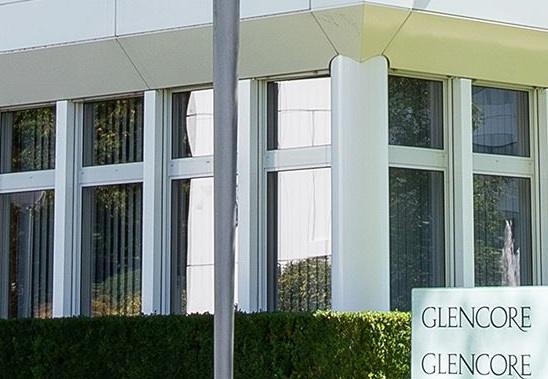
Glencore’s strategic move to acquire a majority stake in Dutch energy solutions provider FincoEnergies marks a significant acceleration in the mining and commodities giant’s decarbonization efforts. This transaction, expected to conclude in Q2 2026, positions Glencore to expand its footprint in the burgeoning low-carbon fuels and services market, a critical step as global industries increasingly seek sustainable solutions. For investors, this signals a clear intent from Glencore to diversify beyond traditional commodity trading, tapping into the high-growth potential of the energy transition while navigating the complexities of a volatile global energy landscape.
Glencore’s Strategic Pivot Towards Decarbonization
The acquisition of FincoEnergies is more than just an expansion; it’s a calculated pivot by Glencore into the heart of the energy transition. FincoEnergies, established in 2013 by Coloured Finches, specializes in providing fuels, biofuels, and comprehensive decarbonization services for the transport and industrial sectors. This includes offering solutions for calculating and reducing direct and indirect emissions, alongside certifying positive environmental impact through low-carbon transportation fuels and carbon insetting credits. For a company of Glencore’s scale, integrating these capabilities means not only enhancing its own sustainability profile but also offering a broader suite of services to its vast client network. Coloured Finches will maintain a shareholder position, ensuring continuity, while early investor Pontex Investment Partners, involved since 2016, will exit the venture. This move underscores Glencore’s commitment to building a robust, future-proof portfolio that addresses the growing demand for sustainable energy solutions.
Navigating Volatile Markets: Investor Sentiment and Oil Price Dynamics
This strategic investment by Glencore comes at a time when the traditional oil and gas market continues to exhibit significant volatility, underscoring the rationale behind diversifying into low-carbon assets. As of today, Brent Crude trades at $90.66, marking a modest increase of 0.25% within a daily range of $93.87 to $95.69. However, this masks a more dramatic recent trend: Brent experienced a nearly 20% decline, dropping from $118.35 on March 31 to $94.86 just yesterday, April 20. Similarly, WTI Crude currently stands at $87.37, down slightly by 0.06% within its daily range of $85.50 to $87.49. Such sharp fluctuations directly impact investor confidence and long-term planning.
Our proprietary reader intent data highlights a palpable investor anxiety surrounding crude prices, with frequent queries like “Is WTI going up or down?” and “What do you predict the price of oil per barrel will be by end of 2026?” These questions reflect a broader market uncertainty that Glencore is proactively addressing by strengthening its position in the less volatile, growth-oriented decarbonization sector. The current gasoline price of $3.05, up 0.66% today, further illustrates the ongoing demand for transport fuels, yet also the imperative to transition towards more sustainable alternatives like those FincoEnergies provides. Glencore’s move is a clear signal that even major commodity players are hedging against traditional market swings by investing in the inevitable shift towards a lower-carbon economy.
FincoEnergies: A Platform for Low-Carbon Growth and Expansion
FincoEnergies brings substantial value to Glencore’s portfolio, not just in its specialized services but also in its proven market presence and growth trajectory. With reported revenues of €2.7 billion in 2024, FincoEnergies is an established player in the European energy solutions landscape. The acquisition is set to amplify FincoEnergies’ capabilities, enabling it to accelerate its expansion into new geographical markets, particularly across Northwest Europe. This includes a strategic push into renewable fuel markets, further development of insetting credits, and broadening its decarbonization solutions across all transport segments. For Glencore, this translates into immediate access to a profitable, high-growth platform that aligns perfectly with global ESG mandates and the increasing corporate demand for verifiable carbon reduction strategies. The synergy between Glencore’s vast resources and FincoEnergies’ specialized expertise is poised to create a formidable force in the evolving energy sector.
Forward Outlook: Key Catalysts and Strategic Integration
The completion of this transaction in Q2 2026 will mark the beginning of a critical integration phase for Glencore and FincoEnergies. Investors should closely monitor several upcoming energy events that could influence the broader market context for this strategic acquisition. Tomorrow, April 21, the OPEC+ JMMC Meeting could provide fresh insights into crude production policies, impacting global oil supply and pricing dynamics. Later this week, on April 22, the EIA Weekly Petroleum Status Report will offer crucial data on U.S. crude inventories and demand, further shaping the outlook for traditional fuels. These reports, along with subsequent updates on April 28 (API Weekly Crude Inventory), April 29 (EIA Weekly Petroleum Status Report), and the comprehensive EIA Short-Term Energy Outlook on May 2, will provide a continuous stream of data for assessing the landscape that Glencore is operating in.
Glencore’s ability to seamlessly integrate FincoEnergies’ operations and leverage its expertise in biofuels and decarbonization services across its existing vast network will be a key determinant of the deal’s long-term success. This forward-looking analysis suggests that while traditional oil market factors will continue to influence Glencore’s overall performance, the FincoEnergies acquisition is a robust step towards securing growth in the rapidly expanding low-carbon economy, offering a more resilient investment thesis against the backdrop of fluctuating commodity prices and evolving environmental regulations. The strategic timing allows Glencore to capitalize on the increasing momentum of the energy transition, positioning itself for sustainable growth well into the future.


