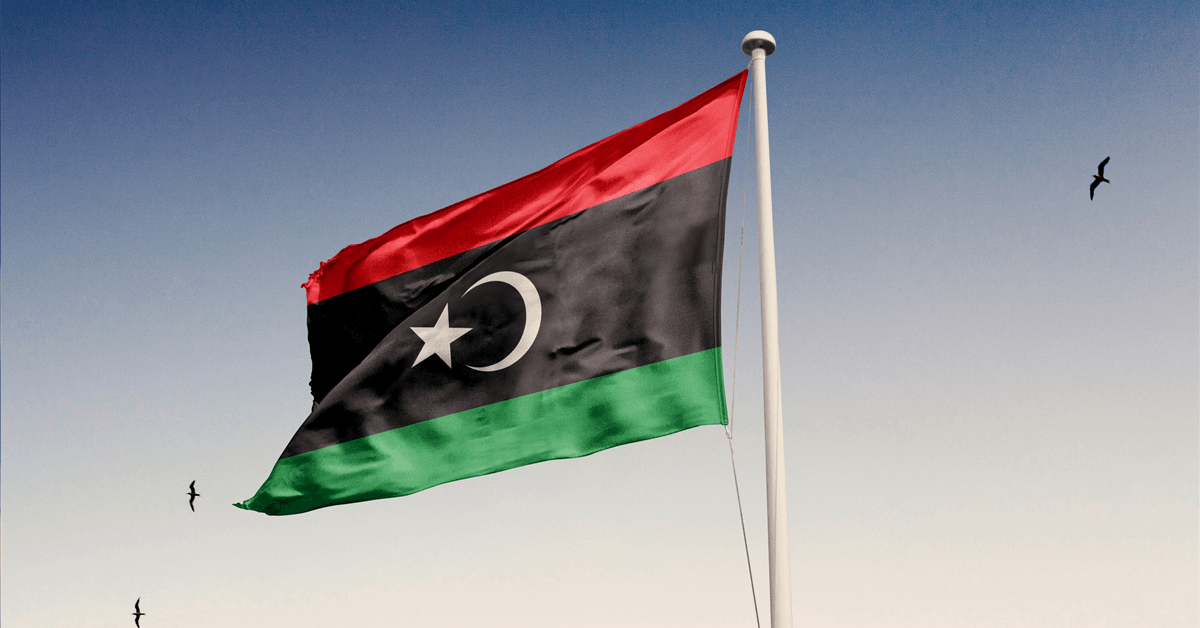
Libya, a nation long synonymous with both vast hydrocarbon wealth and profound geopolitical instability, is currently presenting a paradox to global energy markets. Despite a fragmented political landscape and a history of operational disruptions, the country’s latest bid round for oil and gas exploration blocks is drawing significant interest from some of the world’s largest energy firms. This unexpected surge in capital inflows underscores a critical re-evaluation by investors: the allure of immense, untapped fossil fuel potential, coupled with newly implemented investor-friendly reforms, is beginning to overshadow the inherent risks, creating a compelling, albeit high-stakes, investment narrative for the oil-rich African nation.
The Undeniable Pull of Libya’s Hydrocarbon Riches
The sheer scale of Libya’s resource endowment is a primary driver behind the renewed investor interest. The current licensing round alone offers 22 blocks, estimated to contain 10 billion barrels of available resources, with an additional 18 billion barrels yet to be discovered. This represents a monumental opportunity for companies seeking to replenish reserves and secure long-term production growth. Beyond the raw resource numbers, the National Oil Corporation (NOC) has been proactive in creating a more attractive environment for foreign investment. Reforms include enhanced fiscal terms, simplified cost recovery mechanisms, and clearer profit-sharing agreements. These structural improvements are clearly resonating, attracting serious interest from global supermajors and national oil companies alike – a testament to the perceived value proposition despite the operational complexities. Libya’s ambitious target to increase production by over 40 percent to 2 million barrels per day by 2030 hinges critically on the success of these initiatives and sustained international partnership.
Navigating a Volatile Market Amidst Geopolitical Realities
While the long-term potential in Libya is clear, the immediate market environment presents a complex backdrop for these high-risk ventures. As of today, Brent Crude trades at $89.95, marking a -0.53% shift, and notably, a significant decline from the $118.35 seen just three weeks ago. Similarly, WTI Crude stands at $86.28, down -1.3% for the day. This broader market softening, alongside lingering concerns about global demand and economic stability, adds another layer of scrutiny to investment decisions in politically sensitive regions. Investors on our platform are keenly watching these price movements, with frequent queries asking “is WTI going up or down?” and seeking predictions for the price of oil per barrel by the end of 2026. This sensitivity to price underscores the need for a substantial risk premium when evaluating Libyan projects.
The domestic political situation remains Libya’s most formidable challenge. The nation remains politically divided, with an internationally recognized government in the west and a rival administration controlling significant oil-rich territories in the east. Sporadic feuds have historically led to severe disruptions in energy flows, threatening to escalate into broader conflicts. Furthermore, the country’s oil infrastructure, neglected during years of unrest following the 2011 fall of Moammar Qaddafi, requires significant investment and upgrades to support any substantial increase in production. Addressing these twin challenges of political stability and infrastructure will be paramount for sustaining growth and achieving the NOC’s ambitious 2030 targets.
Upcoming Catalysts and the Path to Production Growth
Looking ahead, the next few weeks hold several key events that will shape the broader energy market context for Libyan investments. The OPEC+ Joint Ministerial Monitoring Committee (JMMC) Meeting scheduled for April 21 will provide critical insights into global supply management strategies, directly impacting the strategic value of any new Libyan production. Subsequent weekly data releases, such as the EIA Weekly Petroleum Status Reports on April 22 and April 29, and the Baker Hughes Rig Count on April 24 and May 1, will offer real-time snapshots of market fundamentals and industry activity, influencing investor confidence across the board. Furthermore, the EIA’s Short-Term Energy Outlook on May 2 will be closely watched for its projections on global supply, demand, and prices, providing a crucial framework for long-term investment decisions in frontier markets like Libya.
For Libya to truly capitalize on its potential, a sustained period of political reconciliation and security is essential. These upcoming events, while not directly addressing Libya’s internal dynamics, will collectively paint a clearer picture of the global energy landscape into which Libya aims to integrate its expanded production. The successful attraction of supermajors suggests a belief that, with sufficient political will and security guarantees, the technical and logistical hurdles to ramping up production can be overcome, especially given the significant economic impetus for all factions to benefit from increased oil revenues.
Investor Sentiment: Weighing Risk Against Reward
The current influx of interest into Libya’s oil sector signals a sophisticated investor appetite for high-reward opportunities, even in the face of considerable risk. Our reader intent data reveals a keen focus on long-term price trajectories, with investors asking “what do you predict the price of oil per barrel will be by end of 2026?”. This indicates a forward-looking perspective where the potential for significant returns from vast, low-cost resources can justify the geopolitical premium. The NOC’s strategic reforms, particularly around fiscal terms and profit sharing, are designed to sweeten this deal, effectively offering a structured incentive to offset the perceived risk. For global energy giants, accessing 10 billion barrels of available resources and potentially 18 billion more undiscovered, within an OPEC member state, represents a strategic imperative that few other regions can match. While the path to realizing Libya’s full 2 million barrels per day potential by 2030 is fraught with challenges, the current investment momentum suggests that, for a select group of well-capitalized and risk-tolerant players, the long-term rewards of unlocking this dormant giant are simply too compelling to ignore.


