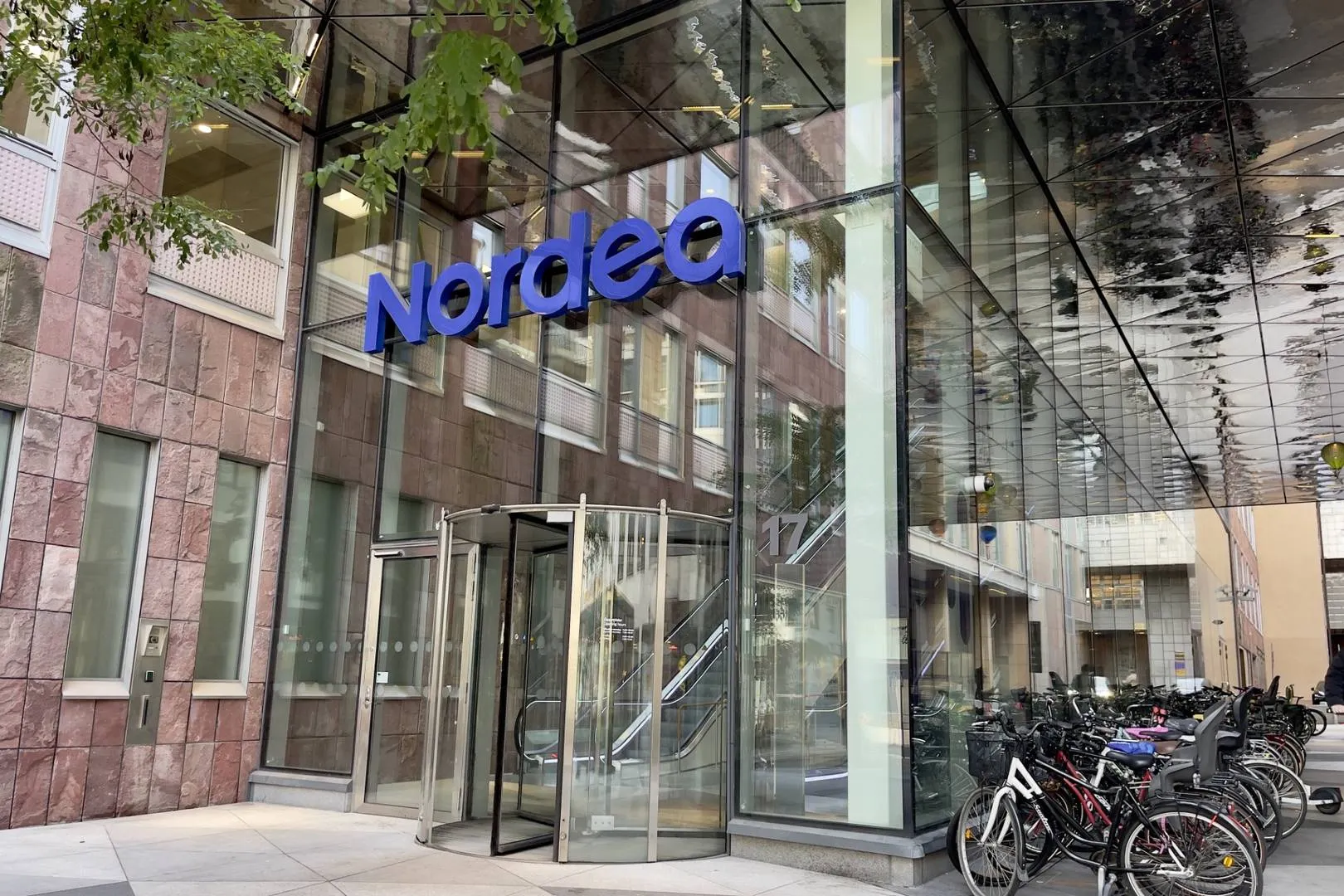
In a strategic move signaling a deeper commitment to the evolving energy landscape, Nordea Asset Management has bolstered its Sustainable Thematic Team with the appointment of Kasper From Larsen as Portfolio Manager. This addition is particularly salient for investors navigating the complexities of the energy transition, as Nordea’s team oversees more than €18 billion ($19.6 billion) in climate and impact strategies. The hire underscores a growing institutional demand for investment vehicles that not only promise environmental alignment but also demonstrate robust financial performance and granular sector expertise in a market perpetually shaped by both long-term decarbonization goals and immediate geopolitical and supply dynamics.
Strengthening Climate Capital Amidst Transition Imperatives
Nordea Asset Management’s decision to bring Kasper From Larsen into its Sustainable Thematic Team is more than just a personnel change; it represents a strategic reinforcement of its climate investment capabilities. With over 11 years of experience specifically tailored to climate-relevant portfolio management, From Larsen brings a critical skill set to a firm that launched its first climate fund in 2008. The team’s substantial assets under management reflect a significant commitment to climate solutions, transition portfolios, and broader impact mandates. This move comes at a time when asset owners, from pension funds to sovereign wealth funds, are intensifying their scrutiny on the credibility of transition strategies, demanding clear pathways to real-economy impact and disciplined financial returns. From Larsen’s expertise in core sectors vital to decarbonization, such as energy, utilities, infrastructure, and materials, directly addresses this need, ensuring that Nordea’s offerings are grounded in deep operational understanding rather than just thematic aspiration.
Sector Expertise Navigates Volatile Energy Markets
Kasper From Larsen’s extensive background, honed at Danske Bank Asset Management, provides Nordea with crucial sector depth precisely where the energy transition intersects with traditional energy markets. His focus on energy, utilities, infrastructure, and materials is directly relevant to Europe’s decarbonization agenda, encompassing areas from grid expansion and electrification to industrial transition. For investors, understanding these sectors demands an ability to assess complex transition pathways, capital expenditure cycles, and inherent regulatory risks. This specialized knowledge is particularly valuable given the current state of global energy markets. As of today, Brent crude trades at $90.18, reflecting a slight daily dip of 0.28%, while WTI crude sits at $86.65, down 0.88%. These daily fluctuations, alongside a significant 14-day Brent trend showing a nearly 20% drop from $118.35 on March 31st to $94.86 on April 20th, underscore the persistent volatility. Such market dynamics, even for funds focused on climate solutions, necessitate managers who can discern genuine long-term value from short-term noise, ensuring capital is deployed effectively across the entire energy spectrum – from fossil fuel divestment to renewable infrastructure build-out.
Forward-Looking Analysis: Calendar Events and Strategic Positioning
The appointment of a specialist like From Larsen positions Nordea to better capitalize on structural shifts in the energy sector, but also to adeptly navigate near-term market catalysts. His role will involve applying granular sector experience to identify opportunities linked to clean energy deployment and climate resilience. Looking ahead, investors are keenly watching a series of upcoming events that could significantly impact the energy complex and, by extension, the sectors central to Nordea’s climate strategies. The OPEC+ JMMC Meeting on April 21st, for instance, could signal shifts in global supply policy, directly affecting crude prices and the broader economic environment for energy investments. Subsequent EIA Weekly Petroleum Status Reports on April 22nd and 29th will offer critical insights into U.S. demand and inventory levels, while the regular Baker Hughes Rig Count reports provide an ongoing pulse on upstream activity. Furthermore, the EIA Short-Term Energy Outlook on May 2nd will offer a macro perspective on future price and supply trends. These calendar events, while often focused on traditional hydrocarbons, inevitably shape the capital flows, cost structures, and investment sentiment for utilities, infrastructure projects, and materials producers that are foundational to the energy transition, highlighting the interconnectedness of all energy-related investments.
Addressing Investor Concerns: Navigating the Energy Transition Maze
Our proprietary reader intent data from this week reveals a consistent preoccupation among investors with market direction and future price forecasts. Queries such as “is WTI going up or down?” and “what do you predict the price of oil per barrel will be by end of 2026?” dominate investor questions, alongside broader interest in the data sources powering our market insights. This direct feedback underscores the persistent challenge faced by investors: reconciling the long-term imperative of climate transition with the immediate, often volatile, realities of energy commodity markets. The appointment of a portfolio manager with From Larsen’s specific blend of climate-relevant and sector-specific experience directly addresses this duality. It signals to investors that Nordea is equipping its climate strategies with the analytical rigor needed to not only identify genuinely sustainable opportunities but also to manage portfolios effectively within a market environment heavily influenced by traditional energy fundamentals and price swings. For investors seeking credible, impact-driven strategies, the emphasis on deep sector knowledge becomes a crucial differentiator, offering a more nuanced approach than broad-stroke thematic plays.


