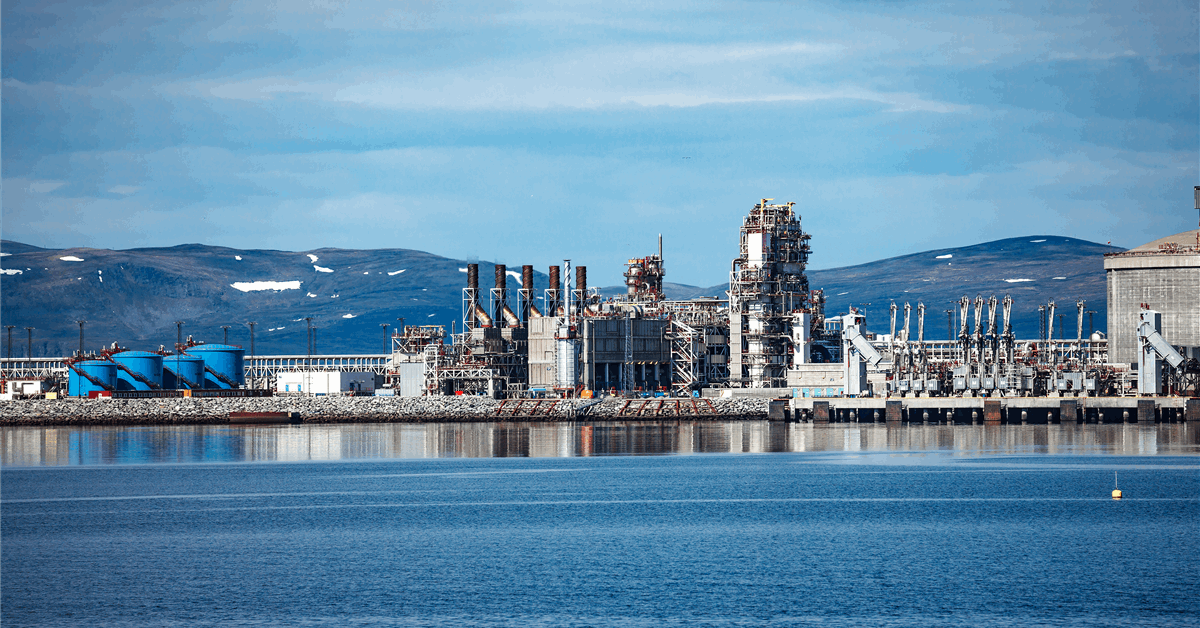
Equinor’s Snøhvit Future: A Microcosm of Energy Project Challenges and Investor Headwinds
Equinor’s recent announcement regarding the Snøhvit Future project in Norway’s Barents Sea has sent ripples through the energy investment community. The company has revealed a significant upward revision to its cost estimate, now exceeding NOK 20 billion, a substantial increase from the original NOK 13.2 billion (NOK 14.7 billion adjusted for inflation) when the plan for development and operation (PDO) was submitted in 2022. Compounding this financial pressure, the onshore compression component, crucial for maintaining gas flow from the Snøhvit field to the Hammerfest LNG plant, is now expected to commence in 2029, a year later than initially planned. This situation underscores the complex interplay of operational challenges, inflation, and strategic environmental commitments that define large-scale energy investments today, forcing investors to re-evaluate risk and reward in a volatile market.
Escalating Costs and Execution Headwinds for Critical LNG Infrastructure
The updated cost projection for Snøhvit Future represents a material increase of over NOK 5.3 billion (approximately $526.05 million) beyond the initial estimate. This surge is attributed to a confluence of factors, including “worse than normal” winter conditions in 2024-25 that hindered site work, an extended summer turnaround in 2025 that postponed project resumption at Melkøya, and increased engineering costs due to the inherent complexity of integrating new facilities into existing infrastructure. Equinor also specifically cited high inflation as a driver for the significant increase in equipment acquisition costs. With the project approximately halfway completed, the challenges highlight the inherent difficulties of executing such a large-scale endeavor within an operational plant, further complicated by temporary safety shutdowns. For investors, these revised figures translate directly into a lower expected return on investment and a longer payback period, demanding a recalibration of valuation models for Equinor’s upstream and LNG assets. The Snøhvit field, producing since 2007 and supplying Hammerfest LNG with 6.5 billion cubic meters of gas annually, is a cornerstone of Norway’s energy exports, making these delays particularly impactful for European energy security.
Navigating Volatile Markets: Project Delays Amidst Shifting Crude Dynamics
The timing of these project setbacks coincides with a dynamic period in global energy markets. As of today, Brent Crude trades at $90.06, reflecting a -0.41% dip within a day range of $93.87-$95.69. This current price represents a notable contraction from the $118.35 seen on March 31st, indicating a significant -19.8% decline over the past 14 days. While this specific project focuses on natural gas and LNG, the broader crude market sentiment inevitably influences investor appetite for large-cap energy plays like Equinor. Declining crude prices, even if temporary, can tighten capital availability and increase scrutiny on project economics. For investors, the delays at Snøhvit Future highlight the increased execution risk in a market where robust and timely supply additions are critical. The Hammerfest LNG facility, restarted in 2022 after a fire, is a vital component of Europe’s diversified gas supply strategy, making the reliable expansion and decarbonization efforts at Snøhvit all the more critical in a world still grappling with energy security concerns.
The Green Premium Under Scrutiny: Electrification and Emissions Commitments
A key component of the Snøhvit Future project is the electrification of the Hammerfest LNG plant, a move designed to curb carbon dioxide emissions by an impressive 850,000 tonnes annually, equivalent to two percent of Norway’s total annual emissions. This commitment to reducing the carbon footprint of its operations has been a significant part of Equinor’s ESG narrative and a draw for sustainability-focused investors. However, the project delays and cost overruns now cast a shadow on the feasibility and financial implications of achieving these ambitious environmental targets. While the electrification component’s specific completion date was not clarified in the recent announcement, the overall project delay raises questions about the timeline for realizing these emissions reductions. Investors are increasingly evaluating the “green premium” – the willingness to accept potentially lower immediate returns for projects that align with long-term climate goals. The Snøhvit Future case forces a re-evaluation: how much extra cost and how much delay is acceptable before the green premium erodes, particularly when the core energy security objective is also impacted?
Forward Outlook: Upcoming Market Signals and Investor Sentiment
As investors digest Equinor’s project update, their focus will undoubtedly shift to broader market signals and upcoming events. Our proprietary reader intent data indicates a significant preoccupation with the future direction of oil prices, with common queries like “is wti going up or down” and predictions for “the price of oil per barrel by end of 2026.” This reflects a general uncertainty that project-specific challenges, such as those at Snøhvit Future, only exacerbate. Upcoming energy events in the next two weeks will offer critical insights. The OPEC+ JMMC Meeting on April 21st, followed by EIA Weekly Petroleum Status Reports on April 22nd and April 29th, and the EIA Short-Term Energy Outlook on May 2nd, will provide fresh data on global supply-demand dynamics and inventory levels. These reports could either provide a bullish tailwind that helps offset some of the negative sentiment from project delays or add further pressure. For Equinor investors, the key will be assessing how these macro trends interact with the company’s ability to manage costs, adhere to revised timelines, and ultimately deliver on its strategic objectives for critical LNG supply and emissions reduction in the long term.


