The energy transition narrative continues to evolve, pushing the boundaries of what constitutes a strategic investment in the broader energy complex. A significant development this week underscores this shift: the Frontier coalition, backed by corporate giants like Google and Stripe, has committed a substantial $44.2 million to NULIFE GreenTech. This investment targets the removal of 122,000 tonnes of carbon dioxide from the atmosphere between 2026 and 2030, leveraging an innovative biowaste-to-storage solution. For investors navigating volatile traditional oil and gas markets, this deal highlights the growing financial momentum behind engineered carbon removal, particularly in regions like Canada which are fast becoming global hubs for these critical climate technologies.
Canada’s Ascent as a Carbon Removal Powerhouse
The $44.2 million agreement with NULIFE GreenTech isn’t merely a standalone transaction; it represents a deepening commitment by a coalition of corporate climate buyers to scale advanced carbon removal solutions. This deal alone will facilitate the sequestration of 122,000 tonnes of CO2 over a crucial four-year window, from 2026 through 2030. Importantly, this latest investment pushes Frontier’s total capital committed to Canadian climate solutions beyond the $100 million mark, cementing Canada’s position as a burgeoning leader in the engineered carbon removal market. Major tech players participating in Frontier’s advance market commitment, including Google and Stripe, are not just purchasing credits; they are actively de-risking and accelerating the commercialization of early-stage technologies. This strategic investment in Canadian innovation, building on a successful partnership initiated in 2024, demonstrates a clear pathway for validated technologies to attract significant follow-on capital, paving the way for ambitious long-term targets such as the estimated 1.5 gigatonnes of annual carbon removal potential by 2040 through hydrothermal liquefaction if deployment barriers are effectively addressed.
De-Risking Decarbonization: NULIFE’s Biowaste-to-Storage Model
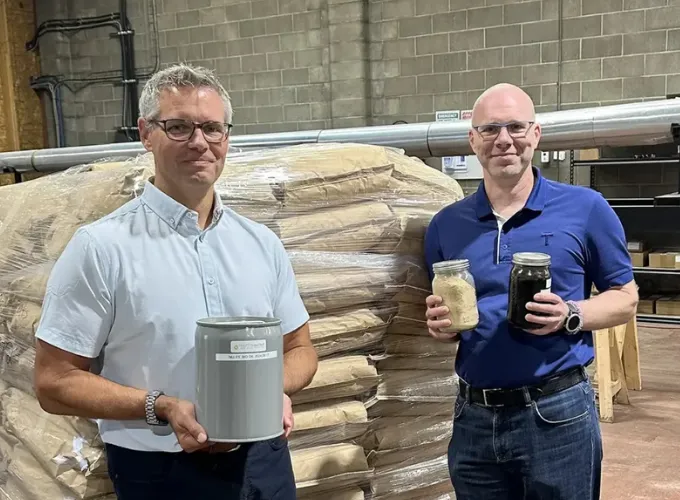
NULIFE GreenTech’s approach tackles a persistent environmental challenge: the management of organic biowaste, which typically decomposes to release CO2 and methane. Instead of viewing agricultural and industrial residues – such as grease-trap waste, canola crushing sludge, and wastewater biosolids – as liabilities, NULIFE transforms them into durable carbon sinks. The company employs hydrothermal liquefaction technology to convert this biowaste into concentrated bio-oil and biochar. These carbon-dense outputs are then transported and injected together into deep underground salt caverns, approximately 1,000 meters below the surface, ensuring long-term geological isolation from the atmosphere. This dual-product injection strategy not only enhances carbon removal efficiency and durability but also capitalizes on a proven storage infrastructure, as salt caverns are already utilized for hydrocarbon storage within the energy system. NULIFE’s Saskatoon facility has already proven the commercial viability of its processors, logging thousands of operating hours and successfully delivering over half of its volumes from earlier commitments, providing crucial operational data and verification history that significantly de-risked this larger, forward-looking purchase.
Navigating Volatile Energy Markets: The Enduring Case for Carbon Removal
The investment landscape for energy is currently characterized by significant volatility in traditional markets, yet the strategic imperative for decarbonization remains undiminished. As of today, Brent crude trades at $91.87 per barrel, marking a sharp decline of 7.57% within the day, with its range fluctuating between $86.08 and $98.97. Similarly, WTI crude sits at $84, down 7.86%, having moved from $78.97 to $90.34. This downturn is part of a broader trend, with Brent having fallen by $20.91, or 18.5%, from $112.78 just two weeks ago. While these fluctuations in fossil fuel prices understandably command the attention of traditional oil and gas investors, they also underscore the critical need for portfolio diversification into long-term climate solutions. Investments in technologies like NULIFE’s carbon removal offer a strategic hedge against future carbon pricing, regulatory pressures, and the increasing demand from corporates for verified decarbonization pathways, irrespective of short-term commodity price swings. The sustained commitment to carbon removal, even amidst a softening crude market, highlights its growing recognition as a foundational pillar of future energy systems rather than a peripheral ‘green’ investment.
Forward Outlook: Upcoming Catalysts and Investor Focus
Investors are keenly observing a series of upcoming events that will likely dictate near-term energy market dynamics, concurrently evaluating how these shifts impact the broader energy transition. The highly anticipated OPEC+ Meeting on April 18th is a primary focus, with decisions on production quotas having direct implications for global supply and pricing. Following this, the API Weekly Crude Inventory report on April 21st and the EIA Weekly Petroleum Status Report on April 22nd will provide crucial insights into demand and storage levels, while the Baker Hughes Rig Count on April 24th will signal future drilling activity. These are precisely the types of short-term catalysts that drive many investor queries, such as “what do you predict the price of oil per barrel will be by end of 2026?” and “What are OPEC+ current production quotas?”.
While these questions reflect a natural focus on the immediate future of traditional energy, the significant investment in NULIFE points to a parallel and equally powerful long-term trend. Even if OPEC+ decisions or inventory reports cause temporary market shifts, the underlying driver for carbon removal — the global commitment to net-zero emissions — persists. Investors seeking to understand the full energy landscape must consider how these traditional market movements interact with the accelerating demand for validated decarbonization solutions. Projects like NULIFE’s, with their established operational history and long-term removal contracts, offer a compelling investment thesis that complements or even de-risks portfolios exposed to the inherent volatility of fossil fuel markets. The continued expansion of carbon removal infrastructure, despite the day-to-day fluctuations in oil prices, signals a durable market opportunity driven by fundamental environmental and corporate commitments.


