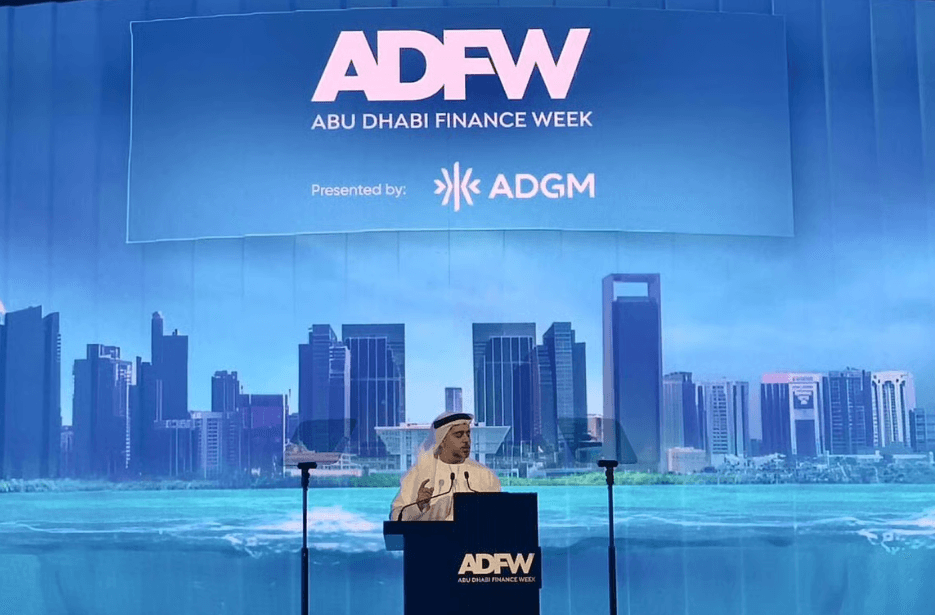
The United Arab Emirates is making a decisive move, shifting its sustainable finance agenda from conceptual framework design to tangible market execution. This pivotal transition, underscored by the recent publication of the UAE Sustainable Finance Working Group’s fourth formal statement during Abu Dhabi Finance Week 2025, signals a deepening commitment to embedding climate and sustainability considerations across its vast financial system. For global investors navigating the complex energy transition, this isn’t merely a policy update; it’s a clear directive on where capital will flow and how traditional energy players within the region will be expected to adapt. OilMarketCap.com’s proprietary data and market insights reveal critical implications for investment strategies, particularly as the sector grapples with both immediate market volatility and long-term decarbonization pressures.
UAE’s Strategic Pivot: From Blueprint to Market Action
The UAE’s latest declaration marks a significant inflection point, moving beyond mere consultation to active policy delivery across four core workstreams: governance, disclosures, taxonomy, and transition planning. This strategic pivot aligns seamlessly with national mandates like the UAE Green Agenda 2015–2030 and the Net Zero by 2050 Strategic Initiative, reinforcing the regulatory groundwork laid by the UAE Climate Change Law. Investors should recognize this as a solidification of the UAE’s commitment to international prudential trends. The Principles for Effective Management of Climate Related Financial Risks, issued in November 2023, for instance, mandate financial institutions to integrate climate risks into their governance and business strategies, emphasizing board-level oversight. Similarly, the Sustainability Disclosure Principles for Reporting Entities, launched in 2024, aim to standardize ESG reporting, aligning UAE expectations with global benchmarks such as the International Sustainability Standards Board (ISSB). This coherence reduces reporting fragmentation and provides clearer pathways for issuers and asset managers to meet evolving investor demands, enhancing transparency and comparability across the market.
Decoding the UAE’s Green Taxonomy and Transition Capital
Central to the UAE’s execution agenda is the ongoing development of a tailored Sustainable Finance Taxonomy and robust climate transition planning principles. This taxonomy, designed to cater to domestic market needs while maintaining international alignment, will provide a clear classification system for sustainable economic activities. For investors, this means a more precise identification of genuinely green or transition-aligned assets, reducing the risk of ‘greenwashing’ and directing capital towards impactful projects. The new climate transition planning principles are particularly significant, aligning UAE financial institutions and corporates with ISSB standards and the nation’s Net Zero by 2050 objectives. This focus on transition finance is critical for traditional oil and gas companies, many of whom are grappling with how to evolve their business models. Investors frequently ask about the long-term outlook for hydrocarbon prices, wondering, for example, “what do you predict the price of oil per barrel will be by end of 2026?” While short-term dynamics dominate, the UAE’s framework ensures that companies with credible transition plans, channeling capital into decarbonization and diversification, will likely gain a competitive edge and attract a wider pool of capital. This directly addresses concerns about how traditional energy players, such as those inquired about by our readers (e.g., “How well do you think Repsol will end in April 2026?”), will perform in this evolving landscape; those embracing robust transition plans will be better positioned.
Navigating Market Volatility Amidst Green Ambitions
The UAE’s accelerated green finance agenda unfolds against a backdrop of significant market volatility in the hydrocarbon sector. As of today, Brent Crude trades at $91.87, representing a sharp 7.57% drop within the day’s range of $86.08 to $98.97. Similarly, WTI Crude stands at $84, down 7.86%, fluctuating between $78.97 and $90.34. This downturn is part of a broader trend; Brent has fallen by $20.91, or 18.5%, from $112.78 on March 30th to its current level. Gasoline prices have also seen a decline, currently at $2.95, a 4.85% decrease today. This short-term price pressure, while influenced by immediate supply-demand dynamics and geopolitical factors, underscores the strategic imperative for oil-rich nations like the UAE to diversify their economies and financial ecosystems. The development of a robust sustainable finance market provides a crucial hedge, enabling the nation to attract investment beyond its traditional hydrocarbon base and build resilience against future price swings. For investors, understanding this dual strategic play – maximizing current oil revenue while aggressively building a green finance future – is key to assessing long-term regional stability and investment opportunities.
Investor Implications and Upcoming Catalysts
The UAE’s proactive stance in sustainable finance offers compelling opportunities for investors, particularly in sectors aligned with the energy transition. The comprehensive regulatory framework being implemented positions the UAE as a global reference point for transition finance and regulatory coherence, fostering a more predictable and attractive environment for capital deployment. Looking ahead, key events on the energy calendar will continue to shape the investment landscape. The upcoming OPEC+ Ministerial Meeting on April 18th is paramount, as decisions on production quotas will directly impact global supply and pricing. While readers are keen on “What are OPEC+ current production quotas?”, the UAE’s growing green finance commitments suggest a long-term strategic shift that could eventually influence its stance within the cartel, balancing immediate revenue needs with future sustainability goals. Furthermore, weekly reports such as the API Crude Inventory (April 21st, April 28th) and the EIA Weekly Petroleum Status Report (April 22nd, April 29th) will provide critical short-term market signals. Investors should monitor these events not just for their immediate impact on oil prices but also for how they interact with the UAE’s long-term vision. The nation’s dedication to building a globally aligned, locally relevant sustainable finance ecosystem means capital will increasingly be directed towards companies and projects demonstrating clear pathways to decarbonization, resource efficiency, and green innovation, creating enduring value in the transitioning energy market.


