Navigating Uncharted Waters: UK Climate Scenarios Introduce New Volatility for Energy Investors
The global energy landscape is perpetually shifting, driven by geopolitical tensions, supply-demand dynamics, and the accelerating energy transition. For investors in oil and gas, navigating this complexity requires a keen eye on both immediate market signals and long-term structural shifts. A recent scientific deep-dive into worst-case climate scenarios for the United Kingdom has unveiled a new layer of plausible, albeit low-probability, risks that demand immediate attention from capital allocators. These extreme outcomes, ranging from a scorching 4°C temperature rise to a dramatic 6°C plunge due to ocean current collapse, are not predictions but rather stress tests, akin to financial system assessments, designed to expose vulnerabilities. For energy investors with exposure to UK assets or those tracking global policy responses, these scenarios fundamentally alter the risk calculus, demanding a re-evaluation of long-term strategies.
The New Climate Stress Test: Unpacking Demand and Infrastructure Vulnerabilities
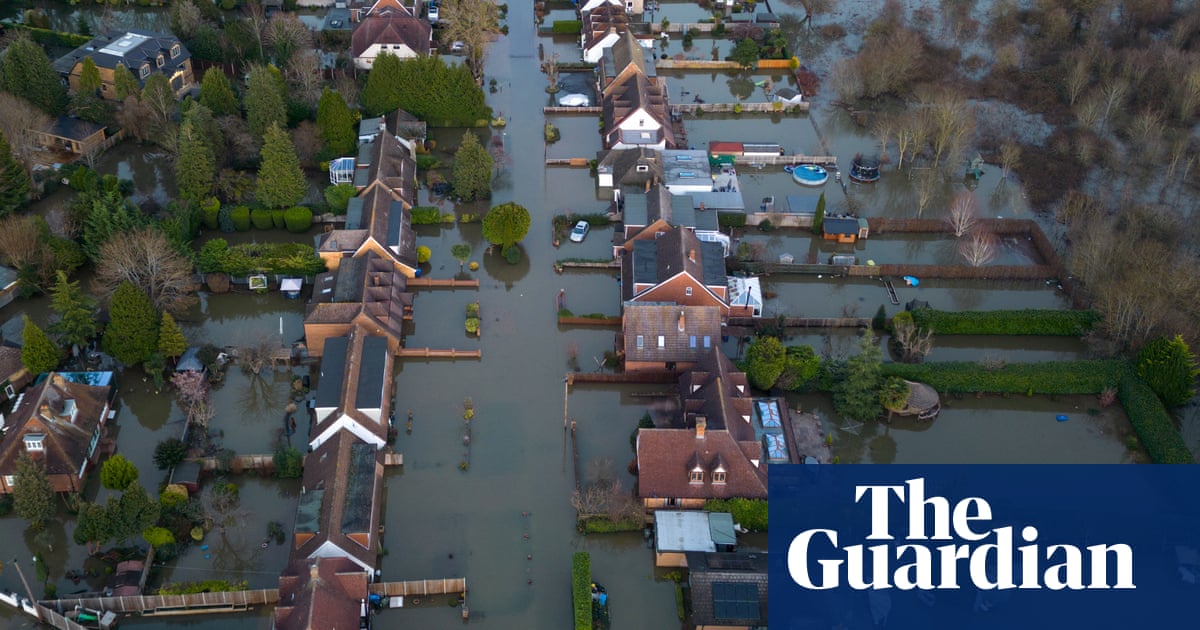
The detailed UK climate scenarios paint a stark picture, outlining potential disruptions that extend far beyond gradual warming. Extreme heatwaves, where temperatures could soar 6°C above average, would undeniably impact energy demand through increased cooling requirements, while simultaneously straining existing grid infrastructure. Conversely, a dramatic 6°C temperature drop, triggered by the potential collapse of the Atlantic meridional overturning circulation (AMOC), presents an equally severe threat, massively disrupting heating needs and agricultural output. Beyond temperature extremes, projections include triple normal rainfall levels and a 2-meter rise in sea level, posing direct physical risks to coastal energy infrastructure, including import terminals, refineries, and offshore operations. These scenarios, though low probability, highlight a critical gap in traditional risk modeling. Investors focused on the UK market, and indeed the broader European energy complex, must now consider how resilient their portfolio companies are to such unprecedented physical impacts. This isn’t just about carbon taxes; it’s about the fundamental operability and viability of assets under extreme environmental duress, adding a new dimension to how we assess long-term asset value and operational continuity.
Market Volatility Meets Existential Risk: A Disquieting Combination
The immediate market environment for oil and gas is already a study in volatility. As of today, Brent crude trades at $91.87 per barrel, marking a significant 7.57% decline from yesterday’s close, with the day’s range spanning $86.08 to $98.97. Similarly, WTI crude is down 7.86% at $84, trading between $78.97 and $90.34. This immediate bearish pressure extends to refined products, with gasoline prices falling 4.85% to $2.95. Looking back over the past two weeks, Brent has shed a substantial 18.5%, dropping from $112.78 on March 30th to its current level. This short-term price action, often driven by shifts in global supply expectations or macroeconomic sentiment, typically dominates investor attention. However, the emergence of these detailed UK climate stress tests introduces a powerful, long-term counter-narrative. Investors are increasingly asking about the long-term price trajectory of oil and gas – “What do you predict the price of oil per barrel will be by end of 2026?” This question, once primarily answered by supply-demand models and geopolitical forecasts, now must contend with the unquantifiable but plausible long-term disruptions posed by extreme climate events. The juxtaposition of immediate, tangible price fluctuations with these profound, long-tail climate risks creates a disquieting combination, making investment decisions far more complex than ever before.
Policy Acceleration and Upcoming Events: A Shifting Regulatory Landscape
The publication of these “worst-case” climate scenarios for the UK is not merely an academic exercise; it is intended to inform decision-makers and accelerate preparedness. This heightened awareness inevitably translates into increased pressure for policy action, potentially speeding up the drive to cut fossil fuel emissions and invest in resilient infrastructure. For investors, this means a likely tightening of regulatory frameworks, increased carbon pricing, and more stringent environmental standards for energy projects within the UK and, by extension, potentially across Europe. While the market’s immediate focus often centers on upcoming events like the OPEC+ Ministerial Meeting scheduled for April 18th, or the weekly API and EIA inventory reports on April 21st/22nd, these short-term supply-side catalysts are increasingly overshadowed by the long-term implications of climate policy. Investors frequently inquire about “OPEC+ current production quotas” and their immediate impact on prices. However, these quotas, while critical for short-term market balancing, operate within a broader context where the political will to reduce fossil fuel dependence is gaining momentum, fueled by reports like these climate scenarios. The Baker Hughes Rig Count, due on April 24th, measures current drilling activity, yet the long-term capital allocation decisions for new exploration and production will be increasingly scrutinised through a climate risk lens, potentially leading to stranded asset risks for those unprepared.
Tipping Points and Portfolio Resilience: A New Paradigm for Risk Management
The concept of “climate tipping points,” such as the weakening of the AMOC or the potential dieback of the Amazon rainforest, introduces a non-linear, unpredictable element into climate risk. While the probability of these extreme scenarios remains unquantifiable due to uncertainties in global action and climate system response, their plausible nature demands a fundamental shift in how energy investors assess long-term risk. Much like national security assessments or financial stress tests, this involves considering outcomes that are hoped never to happen but cannot be ignored. For major integrated energy companies, particularly those with significant downstream assets or North Sea operations, understanding their exposure to these physical and regulatory risks is paramount. Investors asking about the future performance of specific companies, such as “How well do you think Repsol will end in April 2026?”, must consider that even strong quarterly results can be undermined by inadequate long-term climate resilience strategies. The capital intensive nature and long asset lifespans typical of oil and gas investments mean that today’s decisions must account for a future that is far more volatile and potentially extreme than previously modeled. Building portfolio resilience against these “black swan” climate events is no longer an abstract concept but an urgent imperative for sustainable returns in the evolving energy landscape.


