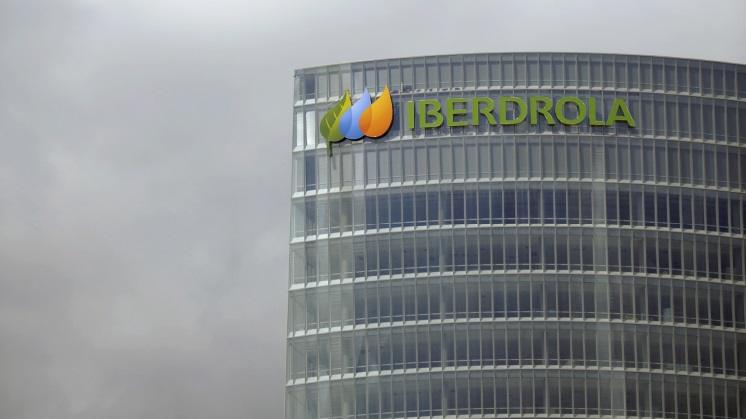
The global energy landscape is undergoing a profound transformation, driven not only by environmental imperatives but increasingly by the insatiable demand for power from the burgeoning artificial intelligence sector. Tech giants, with their burgeoning data centers and computational needs, are emerging as significant new players in the energy market, seeking stable, clean, and scalable power solutions. The recent collaboration between Spanish multinational energy leader Iberdrola and technology behemoth Microsoft exemplifies this trend, showcasing a strategic alignment that promises to reshape both the energy generation and consumption paradigms. This partnership, encompassing substantial renewable energy power purchase agreements (PPAs) and the deep integration of AI into energy operations, offers critical insights for oil and gas investors navigating a rapidly evolving market.
AI’s Escalating Power Demand Fuels Renewable PPA Growth
The sheer computational horsepower required to train and operate advanced AI models is translating directly into unprecedented electricity demand. Companies like Microsoft are at the forefront of this surge, recognizing the strategic imperative to secure vast quantities of clean energy. Their ambitious commitment to source 100% of their electricity consumption, 100% of the time, from zero-carbon energy by 2030, alongside a pledge to be carbon negative by the same year, underscores the scale of this challenge and opportunity. The partnership with Iberdrola delivers tangible progress on this front, with new long-term PPAs in Spain for 150 MW from the Iglesias and El Escudo wind farms. This adds to an existing portfolio of three PPAs with Avangrid, Iberdrola’s U.S. subsidiary, covering solar and wind projects across Ohio, California, and Washington. Collectively, these agreements secure approximately 500 MW of contracted renewable capacity, providing a stable, predictable revenue stream for Iberdrola while guaranteeing clean power for Microsoft’s expanding operations. For investors, these long-term, fixed-price contracts represent a valuable hedge against the inherent volatility of wholesale energy markets, offering a more predictable earnings profile compared to traditional fossil fuel assets.
Navigating Volatility: Renewable Stability Amidst Crude Market Swings
The stability offered by renewable PPAs stands in stark contrast to the dynamic and often unpredictable nature of the global crude oil market. As of today, Brent crude trades at $91.87, reflecting a significant daily decline of 7.57%. Similarly, WTI crude has fallen to $84, down 7.86% within the same 24-hour period. This recent downturn is part of a broader trend, with Brent having shed $20.91, or 18.5%, from its high of $112.78 just two weeks prior on March 30th. Such sharp price movements, driven by geopolitical tensions, supply-demand imbalances, and macroeconomic shifts, underscore the risk profile associated with hydrocarbon investments. In this environment, the predictable, long-term revenue streams from renewable PPAs, secured by creditworthy off-takers like Microsoft, present an increasingly attractive proposition for energy portfolios. Investors are keenly observing how this divergence in stability impacts valuations across the energy spectrum, prompting a re-evaluation of exposure to purely commodity-driven assets versus those underpinned by contractual clean energy agreements.
AI as an Operational Catalyst: Enhancing Energy Efficiency and Resilience
Beyond simply supplying clean power, the Iberdrola-Microsoft partnership extends into the strategic deployment of AI across Iberdrola’s extensive operations. This collaboration involves increasing Iberdrola’s utilization of Microsoft’s Azure cloud computing platform, alongside the integration of tools like Microsoft Copilot and advanced security solutions. This is not merely an IT upgrade; it is a fundamental shift towards leveraging artificial intelligence to enhance operational efficiency, bolster digital capabilities, and drive innovation within the energy sector. Iberdrola’s migration of critical systems to Azure demonstrates a commitment to digital transformation, recognizing AI’s potential to optimize grid management, predict demand patterns, streamline maintenance, and accelerate the development and integration of new renewable assets. For investors, a utility company that effectively harnesses AI for operational excellence translates directly into improved profitability, reduced costs, enhanced reliability, and a more resilient infrastructure capable of adapting to future energy demands and challenges.
Forward-Looking Horizons: Beyond PPAs and Towards a Broader Energy Transition
The strategic implications of this partnership extend far beyond the immediate PPAs and AI adoption. The collaboration is set to explore broader initiatives across Europe, the US, Brazil, and Australia, including renewable energy supply, waste heat utilization, electrified land, carbon credits, and advanced technologies like green hydrogen and battery storage. These areas represent significant future growth vectors for the energy sector. As investors look towards the end of 2026, many are asking about the trajectory of crude oil prices and the ongoing influence of major players like OPEC+. The upcoming OPEC+ Ministerial Meeting on April 18th is a critical event, with potential decisions on production quotas likely to inject further volatility into global oil markets. Similarly, the bi-weekly API and EIA inventory reports, alongside the Baker Hughes Rig Count, provide short-term signals on supply and demand dynamics. However, while these events capture immediate market attention, the long-term trend, exemplified by partnerships like Iberdrola-Microsoft, points towards a sustained shift in energy consumption patterns and a growing emphasis on diversified, decarbonized sources. This forward-looking approach, embracing innovative solutions like hydrogen and storage, positions Iberdrola strongly in the evolving energy mix, offering a compelling alternative to companies solely reliant on traditional hydrocarbon production quotas.
Investor Takeaways: Diversifying Portfolios in a Digitally Driven Energy Future
For investors focused on the oil and gas sector, the Iberdrola-Microsoft agreement serves as a potent reminder of the accelerating energy transition and the strategic pivots required to thrive within it. The increasing demand for clean power from tech giants is creating a robust, long-term market for renewable energy assets, underpinned by predictable PPAs. This provides a stark contrast to the inherent volatility in crude pricing, which many investors are currently scrutinizing, with questions about how European integrated energy companies like Repsol might perform amidst these shifting dynamics by April 2026. Companies that strategically invest in renewable generation and embrace advanced digital and AI capabilities, as Iberdrola is doing, are better positioned for sustainable growth and resilience. Investors should consider the strategic value of diversification, looking beyond traditional hydrocarbon plays to include companies with strong renewable portfolios and a clear roadmap for digital transformation. The integration of AI not only secures future demand for clean energy but also optimizes the operational efficiency of the energy providers themselves, creating a compounding effect of value creation. As the energy landscape continues to rapidly evolve, strategic foresight and adaptability will be paramount for securing robust returns.


