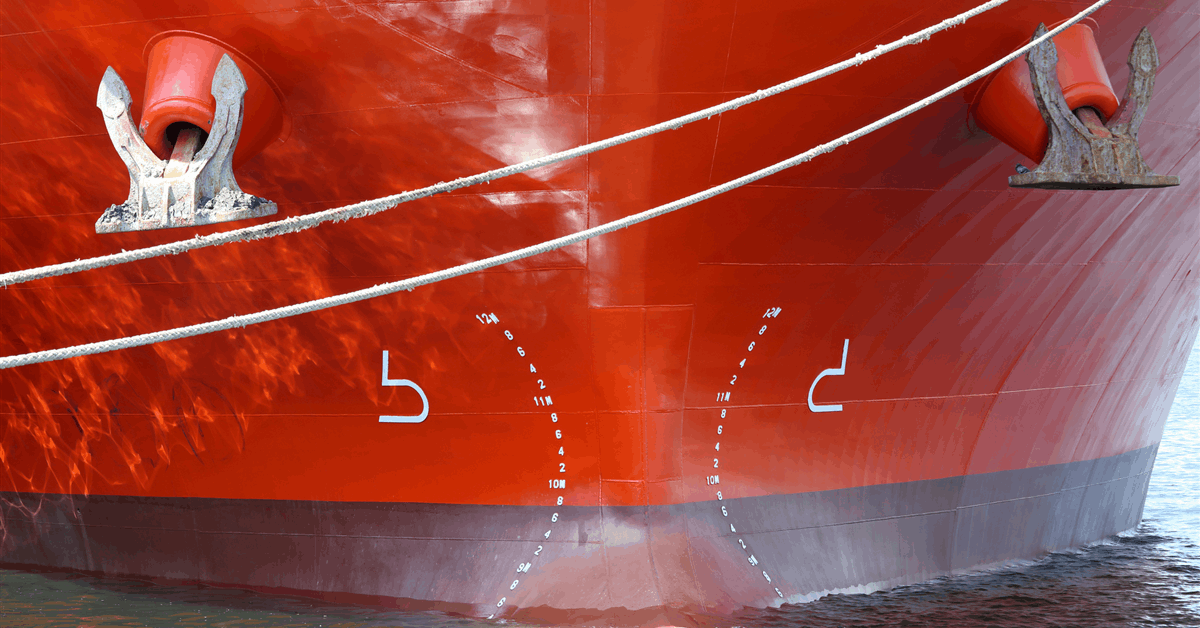
The global oil market is signaling a profound shift, with a critical shortage of crude oil tankers forcing an unprecedented change in maritime logistics. New vessels, typically reserved for transporting refined fuels on their maiden voyages, are now being pressed into service immediately for crude oil — sailing empty across vast distances to secure highly lucrative crude cargoes. This phenomenon, observed across six supertankers delivered this year compared to just one last year, underscores a deep structural tightness in the physical oil market, with significant implications for investors in energy shipping, exploration and production, and refining.
The Unprecedented Race for Crude Shipping Capacity
The economics of maritime oil transport have been dramatically upended. Traditionally, newly built tankers, often delivered from East Asian shipyards, would commence their careers by carrying refined products like gasoline. This not only makes geographical sense, aligning with Asia’s role as a major refined fuel exporter, but also logistical sense, as clean products prevent the need for costly tank washing before a vessel carries crude. However, this established logic has collapsed under the weight of surging demand for crude oil transportation.
We’ve tracked instances like the ‘Atrebates’, delivered in early November, which immediately sailed empty from China to the Middle East to load Iraqi crude destined for Gibraltar. Similarly, the ‘Aliakmon I’, a supertanker, left a Chinese shipyard without cargo in late June, heading directly to Kuwait to pick up nearly 2 million barrels of oil for delivery in Vietnam. These are not isolated events; they are symptoms of a market where very large crude carriers (VLCCs) are commanding rates of $100,000 per day and Suezmaxes $80,000 per day. The urgency to lock in these sky-high rates is palpable, reflecting a market desperate for capacity. Indeed, the Baltic Dirty Tanker Index, a key measure of crude oil shipping costs, has surged over 50% since late July, starkly contrasting with the Baltic Clean Tanker Index’s more modest 12% rise, emphasizing the disproportionate demand for crude carriage.
This acute shortage stems from several converging factors: increased crude output from both OPEC+ and non-OPEC nations, Western sanctions rerouting Russian oil, and persistent geopolitical risks in transit choke points like the Red Sea. These factors have collectively lengthened voyages, effectively removing significant tonnage from active service and creating a supply-demand imbalance that is now drawing even newbuilds directly into the crude trade.
Market Divergence and Investor Dialogue
Despite the clear signals of physical market tightness, headline crude prices have recently shown volatility. As of today, Brent crude trades at $91.87, representing a 7.57% decline from its daily high, while WTI crude sits at $84, a 7.86% drop within the day’s range. This intraday volatility follows a broader trend, with Brent having fallen by $14, or 12.4%, from $112.57 on March 27th to $98.57 just yesterday. This divergence — soaring shipping costs against a backdrop of recent crude price softness — presents a complex picture for investors.
Our proprietary reader intent data reveals a common question among investors this week: “what do you predict the price of oil per barrel will be by end of 2026?” The current tanker crunch suggests robust underlying physical demand and logistical challenges that should, in theory, support higher crude prices. However, the recent price declines indicate that broader macroeconomic concerns, potential demand slowdowns, or strategic supply adjustments are also heavily influencing sentiment. Investors are clearly trying to reconcile these conflicting signals. Another frequent query, “What are OPEC+ current production quotas?”, highlights the critical role that supply-side decisions play in this equation. The cost of moving crude is a fundamental input for refiners and a significant factor in the netback prices for producers, meaning persistent high freight rates could pressure margins even if crude prices remain elevated.
Navigating Upcoming Catalysts: A Forward-Looking Outlook
The immediate future holds several pivotal events that could shape both crude prices and the tanker market’s trajectory. This Friday and Saturday, April 17th and 18th, the OPEC+ Joint Ministerial Monitoring Committee (JMMC) and the full Ministerial Meeting will convene. Any decisions regarding production quotas will directly impact global crude supply and, consequently, the demand for tankers. A decision to maintain or even cut current quotas could further tighten the market, potentially exacerbating tanker shortages and sustaining high freight rates.
Beyond OPEC+, market participants will closely monitor weekly inventory data. The API Weekly Crude Inventory reports on April 21st and 28th, followed by the EIA Weekly Petroleum Status Reports on April 22nd and 29th, will offer crucial insights into the real-time balance of supply and demand in key consuming regions. Significant drawdowns would underscore robust demand, likely maintaining pressure on the tanker fleet, while unexpected builds could signal a softening market, potentially easing some of the logistical strain. Furthermore, the Baker Hughes Rig Count on April 24th and May 1st will provide a forward-looking indicator of future supply from North America, offering another piece of the complex puzzle for investors positioning in the oil and gas sector.
Investment Implications and Strategic Positioning
For investors, the current tanker market dynamics necessitate a nuanced approach. Companies in the tanker sector, particularly those with exposure to VLCCs and Suezmaxes, stand to benefit from the elevated charter rates and high utilization. However, a close watch on newbuild deliveries beyond the current six is crucial, as a significant influx could eventually ease rates. For upstream exploration and production companies, sustained high demand for crude is a positive, but the rising cost of transport could impact netbacks, especially for producers in regions requiring longer shipping routes to market. Refiners face a potential squeeze if the cost of acquiring crude, including freight, outpaces the gains from refined product sales.
The persistent geopolitical risks and their impact on global shipping routes are not transient; they represent a fundamental restructuring of oil logistics. Investors should recognize that the physical market’s tightness, as evidenced by these unusual maiden voyages and spiking dirty tanker rates, serves as a powerful counterpoint to any narrative of weakening demand. This divergence between the cost of moving crude and the headline crude price requires careful consideration, with a focus on companies positioned to navigate or capitalize on these complex and evolving market conditions.


