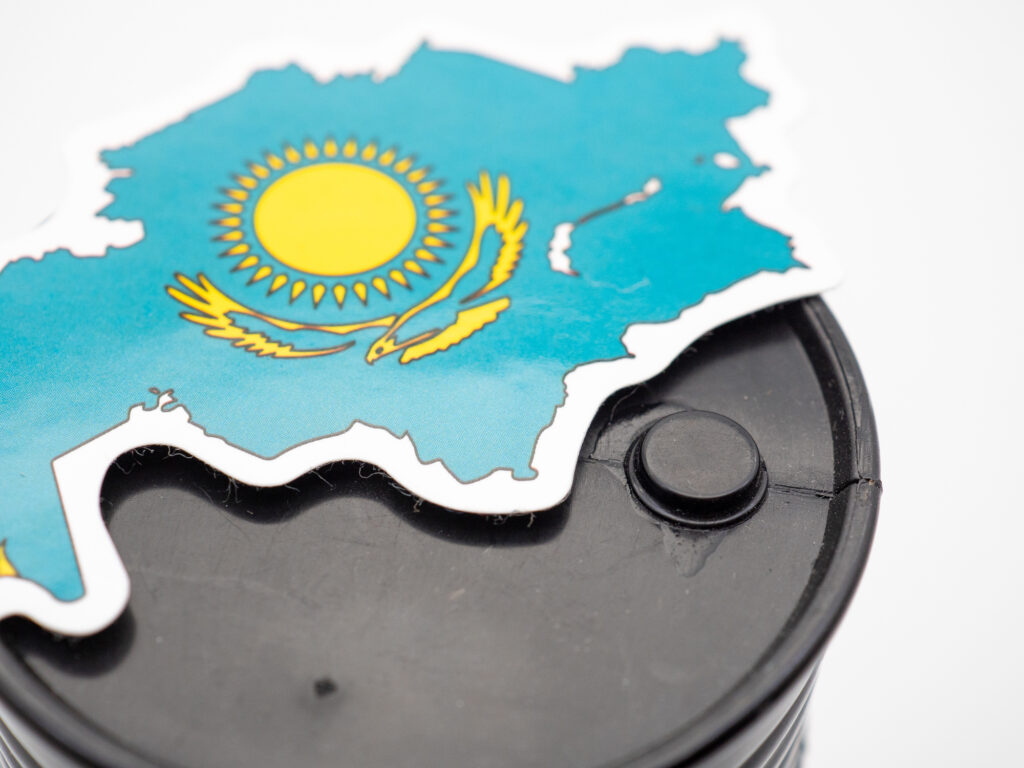
The $3.5 Billion Arbitration Deadline Looming for Big Oil in Kazakhstan
International oil majors are bracing for a critical court ruling that could see them pay $3.5 billion to Kazakhstan. This imminent decision, expected within weeks and certainly by the end of this year, centers on the Karachaganak oil and condensate project and represents just the tip of a much larger iceberg of claims totaling over $160 billion. For investors, this isn’t merely a legal squabble; it’s a significant financial overhang that could reshape investment strategies and impact the balance sheets of some of the world’s largest energy companies at a time when market dynamics are already presenting headwinds.
The immediate focus is on the Karachaganak consortium, which includes Italy’s Eni (29.25%), UK-based Shell plc (29.25%), U.S. supermajor Chevron (18%), Russia’s Lukoil (13.5%), and Kazakhstan’s state firm KazMunaiGas (10%). Kazakhstan initiated arbitration proceedings in April 2023, alleging that the companies improperly deducted costs from income before profit-sharing, leading to the $3.5 billion claim for the Karachaganak field. This field is a giant, boasting estimated hydrocarbons initially in place of 13.6 billion barrels of liquids and 59.4 trillion cubic feet (tcf) of gas. A negative ruling could necessitate substantial payouts from the non-Kazakh partners, directly impacting their quarterly earnings and potentially their valuation.
Beyond Karachaganak: The $160 Billion Elephant in the Room
While the Karachaganak ruling dominates immediate headlines, investors must not lose sight of the broader financial exposure faced by Big Oil in Kazakhstan. The $3.5 billion claim is part of a larger $16 billion in specific arbitration proceedings, including a $13 billion claim related to cost deductions at the Kashagan oilfield. The total compensation and damage claims across various separate proceedings against majors operating in Kazakhstan could exceed $160 billion. These claims stem from allegations of contract delays, cost overruns, and lost revenues, painting a picture of prolonged and complex legal battles.
Companies like ExxonMobil and TotalEnergies, alongside those already named in Karachaganak, have significant stakes in Kazakhstan’s energy sector. The sheer scale of these potential liabilities introduces a profound level of uncertainty for investors. Our proprietary reader intent data shows a clear investor appetite for understanding long-term oil price predictions and the financial health of specific companies like Repsol into 2026. This kind of multi-billion dollar arbitration risk directly feeds into those concerns, clouding the outlook for future earnings and potentially constraining capital allocation decisions for years to come. The question isn’t just about covering the legal costs, but how such substantial payouts could divert funds from growth projects, share buybacks, or dividend increases, ultimately impacting shareholder value.
Market Volatility Amplifies Arbitration Risk for Majors
The timing of these arbitration rulings couldn’t be more critical for international oil companies. As of today, Brent crude trades at $91.87, representing a significant 7.57% decline, while WTI sits at $84, down 7.86%. Gasoline prices have also seen a notable drop, trading at $2.95, a 4.85% decrease. This daily volatility follows a broader trend; Brent crude has fallen by 12.4% over the last 14 days, from $112.57 to $98.57. Such a softening commodity price environment means that any multi-billion dollar financial hit from arbitration would be felt far more acutely by the majors.
In a period of declining oil prices, every dollar of revenue and profit becomes more precious. A $3.5 billion payout, or the potential for much larger liabilities, directly impacts the cash flow and profitability metrics that investors closely scrutinize. This scenario puts pressure on company valuations and dividend sustainability, especially for those with substantial exposure to the Karachaganak and Kashagan projects. Investors are actively seeking clarity on the market’s direction and the resilience of these energy giants. The confluence of legal risk and market downturn demands careful consideration of the financial implications for Shell, Eni, Chevron, and Lukoil as they navigate these challenges.
Strategic Implications and Forward-Looking Analysis
Looking ahead, the resolution of these arbitration cases carries significant strategic implications for both the international majors and the global energy supply. Beyond the immediate financial impact, the outcomes could influence future investment decisions in Kazakhstan and other resource-rich nations. A series of unfavorable rulings might deter further large-scale capital expenditure, potentially impacting the long-term production trajectory of these fields.
As we approach the critical OPEC+ Joint Ministerial Monitoring Committee (JMMC) meeting tomorrow, April 17th, followed by the full Ministerial meeting on April 18th, the stability of existing production from non-OPEC+ members like Kazakhstan becomes particularly relevant. Our reader intent data shows a strong interest in OPEC+ production quotas, highlighting the market’s focus on supply-side dynamics. Any disruption or slowdown in investment in major fields due to legal disputes could indirectly affect global supply balances, potentially influencing the very market prices that are already under pressure. Furthermore, upcoming API and EIA weekly inventory reports, along with the Baker Hughes Rig Count, will provide ongoing insights into the health of the market, against which these arbitration risks must be continuously assessed. Investors should closely monitor these legal developments, not just for the immediate impact on company earnings, but for their potential to reshape the strategic landscape of global energy production and investment.