Germany’s Automotive Shift: A New Variable for Energy Investors
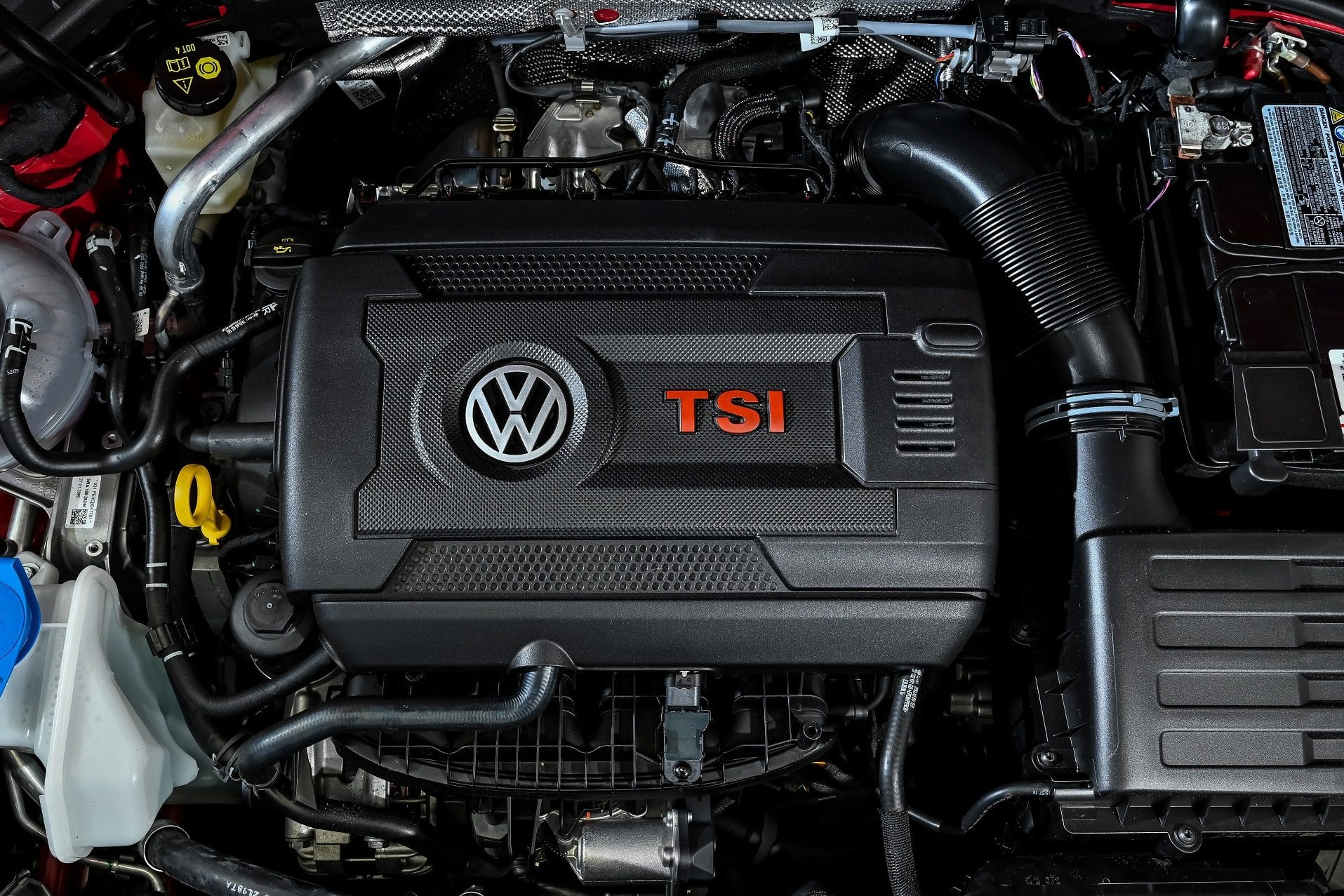
The European Union’s ambitious 2035 ban on new combustion-engine vehicles is facing significant headwinds, with Germany now formally seeking exemptions. This move, spearheaded by Chancellor Friedrich Merz ahead of a critical meeting with European Commission President Ursula von der Leyen, signals a potential recalibration of Europe’s energy transition trajectory. For oil and gas investors, this isn’t merely a political spat; it’s a fundamental re-evaluation of long-term demand models for refined products and a strong signal about the pace of electrification. Germany’s rationale, rooted in industrial competitiveness, employment concerns, and weaker-than-expected electric vehicle (EV) demand, introduces a substantial new variable into the investment landscape, challenging the previously linear path towards decarbonization and offering a potential lifeline to traditional automotive supply chains and, by extension, fossil fuel consumption.
Market Realities: Crude Prices React as Policy Shifts
The broader energy market continues to exhibit significant volatility, underscoring the complex interplay of geopolitical events, supply dynamics, and nascent demand shifts. As of today, Brent Crude trades at $90.25, marking a notable decline of 5.48% within the day, with its range fluctuating between $93.87 and $95.69. This sharp intraday drop follows a more extended downtrend, with Brent having fallen from $118.35 on March 31 to $94.86 just yesterday, representing a substantial 19.8% decrease over the past 14 days. WTI Crude, while showing more resilience today with a modest 0.63% decline to $86.87, still reflects underlying market uncertainty. Gasoline prices, however, remain relatively stable at $3.04. While the direct impact of Germany’s policy push on today’s crude prices is limited—macroeconomic factors and global supply concerns largely dictate short-term movements—this development introduces a long-term demand consideration. A potential delay or softening of the 2035 combustion engine ban could extend the plateau of gasoline and diesel demand, offering a longer runway for refining margins and providing a counter-narrative to aggressive peak oil demand forecasts that heavily factor in rapid EV adoption.
Upcoming Events and the Long-Term Demand Outlook
Investors must closely monitor the calendar for key events that will shape both the immediate and long-term energy landscape. While the OPEC+ JMMC Meeting today, April 21st, and the EIA Weekly Petroleum Status Reports on April 22nd and April 29th will provide critical insights into short-term supply and inventory levels, the most pivotal event for the automotive policy shift remains the European Commission’s 10 December update to the EU’s carbon-emission targets for the automotive sector. This revision is expected to be decisive, directly influencing the investment strategies of major manufacturers like Volkswagen, Mercedes, and BMW for the coming decade. Should Germany succeed in securing exemptions for plug-in hybrids and “highly efficient” engines, it could delay the full impact of electrification on fuel demand. Such a scenario would mean a slower, more managed transition for the automotive sector, potentially extending the demand horizon for refined products beyond current aggressive projections. The EIA Short-Term Energy Outlook on May 2nd will also be crucial for understanding how these evolving policy considerations might feed into updated demand forecasts.
Addressing Investor Concerns: Navigating Volatility and Future Demand
Our proprietary reader intent data reveals a heightened sense of investor uncertainty, with questions ranging from “is WTI going up or down” to “what do you predict the price of oil per barrel will be by end of 2026?” This sentiment underscores the market’s struggle to reconcile immediate volatility with long-term trends. While short-term price movements are heavily influenced by factors like inventory reports and OPEC+ decisions, the German push to soften the 2035 ban directly impacts the long-term demand side of the equation. If the EU grants concessions, it signals a potential slowdown in the pace of EV penetration across Europe, directly supporting gasoline and diesel consumption for a longer duration than previously anticipated. This directly informs the outlook for oil prices beyond the immediate term, suggesting that peak oil demand could be pushed further out into the future. For investors evaluating specific energy companies, such as Repsol, understanding this potential policy shift is paramount. Companies with significant refining and retail fuel operations might find a more stable demand environment than initially projected, potentially influencing their profitability and investment attractiveness through 2026 and beyond. A slower EV transition could bolster the value of existing infrastructure and conventional fuel assets.
Germany’s Strategy: Jobs, Competitiveness, and the Energy Transition
Germany’s intervention is fundamentally about balancing climate goals with industrial employment and competitiveness. Chancellor Merz’s assertion that the current timeline is “unrealistic” directly addresses the economic challenges faced by Europe’s automotive sector, including weaker-than-expected EV demand and intense competition from Chinese manufacturers. The VDA, Germany’s powerful automotive lobby, has explicitly welcomed Berlin’s call, emphasizing the protection of “hundreds of thousands of employees.” This strategic pivot highlights a pragmatic approach where the pace of decarbonization is being re-evaluated in light of economic realities. For oil and gas investors, this implies that the ‘demand destruction’ narrative, particularly from light-duty vehicle electrification, may not unfold as quickly or as aggressively as some models suggest. The push for flexibility, specifically for plug-in hybrids and highly efficient combustion engines, creates a transitional pathway that inherently continues to rely on liquid fuels. This development offers a nuanced view on the energy transition, suggesting that while the direction of travel remains towards lower carbon, the journey itself may be more protracted and less linear, providing extended opportunities in conventional energy sectors.


