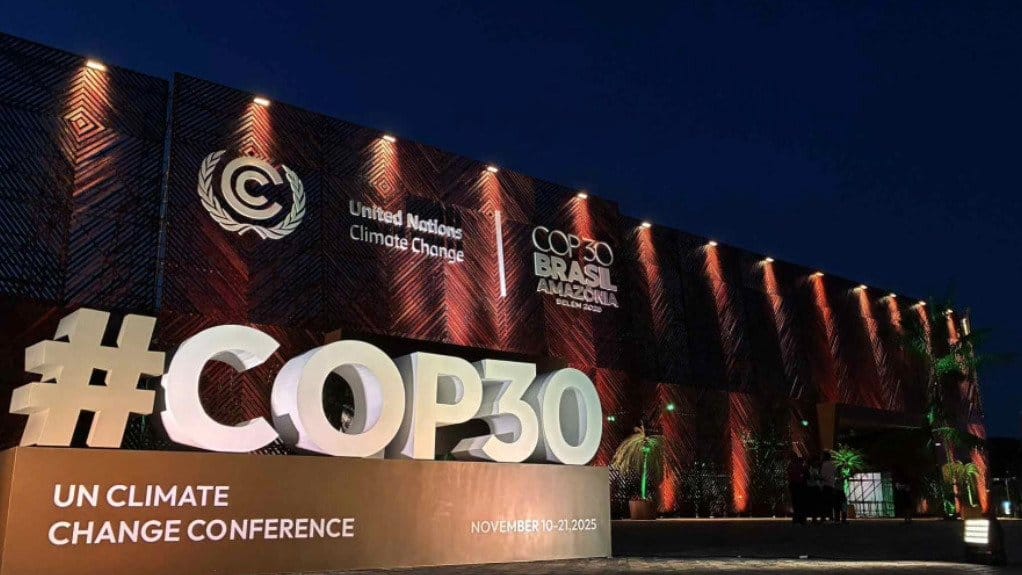
The recent global climate summit concluded with a clear, albeit unsettling, message for the energy sector: the world remains far from a consensus on a binding roadmap to phase out fossil fuels. Despite fervent calls from a coalition of over 80 nations and the scientific community, negotiators failed to secure a definitive plan for reducing reliance on coal, oil, and natural gas. For oil and gas investors, this outcome from the summit signals a continued, robust demand environment, at least in the near-to-medium term, bolstering the investment thesis for the sector even as the long-term energy transition remains a formidable challenge.
The Enduring Reality of Fossil Fuels: A Demand-Side Reprieve
The core takeaway from the two-week climate negotiations is the absence of any binding commitment to transition away from fossil fuels. This marks the second consecutive year that such a critical objective has eluded negotiators. What emerged instead was a collection of voluntary initiatives, including Brazil’s pledge to develop science-based roadmaps for fossil fuel transition and deforestation outside the UN system. While these are steps in the right direction, experts like Ottmar Edenhofer from the Potsdam Institute for Climate Impact Research noted the summit was “not marked by groundbreaking agreements,” underscoring the gap between ambition and actionable policy.
From an investment perspective, the lack of a global, legally enforceable mandate for a fossil fuel phase-out translates directly into sustained demand expectations. Governments, particularly those from the “old, fossil fuel-based world” as cited by German officials, continue to prioritize energy security and economic stability. This reality creates a longer runway for oil and gas producers and service companies. While climate finance ambitions were set at $1.3 trillion annually for developing countries by 2035 and adaptation finance is slated to triple to $300 billion per year, these financial commitments do not immediately translate into direct fossil fuel demand destruction, but rather support for future green initiatives that will take time to scale.
Market Reaction and Investor Sentiment: Navigating Short-Term Volatility
As of today, Brent crude trades at $90.55, reflecting an 8.89% decline, with a daily range between $86.08 and $98.97. Similarly, WTI crude sits at $83.07, also down 8.88%, moving within a $78.97 to $90.34 range. Gasoline prices have followed suit, dropping 5.18% to $2.93, after trading between $2.82 and $3.1 earlier today. This significant daily dip comes after a broader 14-day downtrend for Brent, which has fallen from $112.57 on March 27th to $98.57 just yesterday, representing a 12.4% decrease.
This immediate market reaction, characterized by a notable price decline despite the absence of a binding fossil fuel phase-out, might seem counterintuitive. However, it underscores that while long-term demand signals from policy are crucial, short-term supply-demand dynamics and broader macroeconomic concerns often dictate daily price action. Our proprietary data reveals that investors are keenly focused on future price trajectories, with a significant number of inquiries about what the price of oil per barrel will be by the end of 2026. This long-term outlook is directly influenced by the policy environment, or lack thereof, coming out of major climate talks. The recent summit’s outcome offers little in the way of immediate demand destruction, suggesting a more stable, albeit potentially slower, transition for fossil fuels than many climate advocates had hoped, providing a baseline for demand projections.
Geopolitical Currents and Upcoming Supply Decisions
The “fragmented geopolitical international arena,” as noted by various experts, further complicates global climate action and amplifies the significance of the summit’s outcome for supply-side management. The absence of a strong, unified global mandate to reduce fossil fuel consumption provides key producing nations with greater autonomy in calibrating their output levels.
The upcoming week is critical for understanding the immediate supply landscape. On April 17th, the OPEC+ Joint Ministerial Monitoring Committee (JMMC) is scheduled, followed by the full OPEC+ Ministerial Meeting on April 18th. These gatherings will determine the cartel’s production policies, directly influencing global supply. Investors are actively seeking clarity on OPEC+’s current production quotas, a question that will be central to these discussions. The sustained demand outlook, reinforced by the recent climate summit, gives OPEC+ more stable ground against which to calibrate their output, potentially leading to a continuation of their cautious approach aimed at price stability rather than aggressive market share expansion. Further insights into the immediate supply picture will come from the API and EIA Weekly Crude Inventory reports on April 21st/22nd and April 28th/29th, alongside the Baker Hughes Rig Count on April 24th and May 1st, providing granular detail on U.S. production and inventory levels.
Investment Implications: A Prolonged Horizon for Hydrocarbons
For investors in the oil and gas sector, the outcome of the recent climate summit offers a degree of reassurance regarding the longevity of hydrocarbon demand. While the long-term trajectory toward decarbonization remains undeniable, the immediate lack of a globally binding mechanism to phase out fossil fuels extends the investment horizon for traditional energy assets. This doesn’t negate the need for companies to invest in efficiency, emissions reduction, and diversification into lower-carbon solutions, but it provides a more gradual timeline for such transitions.
The discussions around adaptation and climate finance, while positive, do not directly translate into an accelerated shift away from oil and gas consumption. Instead, they highlight the ongoing challenges of implementing climate solutions on a global scale. Investors should monitor how energy companies adapt to these evolving policy landscapes, focusing on those with robust balance sheets, efficient operations, and strategic investments in both traditional and emerging energy segments. The recent summit effectively reaffirms that the world will continue to rely on oil and gas for the foreseeable future, making strategic investments in this sector a prudent consideration within a diversified portfolio.


