The global energy landscape is currently navigating a complex confluence of climate policy, market fundamentals, and geopolitical tensions. As COP30 talks in Brazil draw to a close, the significant divisions between negotiating blocs underscore the persistent challenges in forging a unified path for the energy transition. For investors in the oil and gas sector, understanding these evolving dynamics is paramount. While the rhetoric often presents a binary choice between fossil fuels and renewables, the reality is far more nuanced, demanding a sophisticated approach to investment strategy that accounts for both the immediate market shifts and the long-term policy trajectory.
The Deepening Chasm in Climate Policy
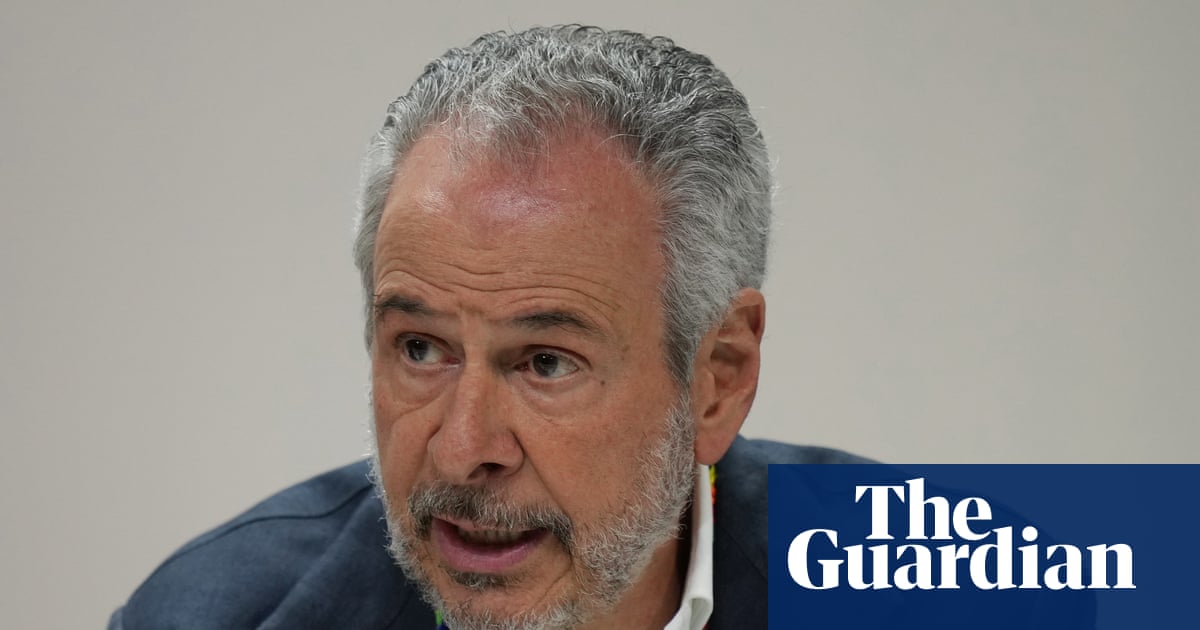
The president of COP30 has highlighted the profound “binary” split among nations regarding the future of fossil fuels. On one side, a coalition of over 80 countries is pushing for a clear roadmap to transition away from these energy sources. On the other, major oil-producing nations and some consumer states, citing economic dependency or continued energy needs, are resisting such explicit commitments. This fundamental disagreement creates an environment of significant policy uncertainty, impacting long-term capital allocation decisions across the energy spectrum. For oil and gas companies, the lack of a global consensus means navigating a patchwork of national regulations and investor pressures, making future demand projections and asset valuations increasingly complex. The challenge lies in reconciling the urgent global imperative for climate action with the immediate energy security and economic realities faced by diverse nations.
Market Volatility Amidst Policy Uncertainty
The ongoing policy debates at international climate summits inevitably contribute to market jitters, although broader macroeconomic factors and supply-demand fundamentals remain the primary drivers of daily price action. As of today, April 17, 2026, Brent crude futures trade at $90.7 per barrel, marking a sharp 8.74% decline from yesterday’s close, with an intraday range spanning from $86.08 to $98.97. Similarly, WTI crude has seen a significant downturn, trading at $82.75, down 9.24% today, moving within a range of $78.97 to $90.34. This significant intraday drop follows a broader softening trend observed over the past fortnight, with Brent having fallen over 12.4% from $112.57 on March 27 to $98.57 just yesterday, April 16. Gasoline prices have also mirrored this downward trend, currently at $2.93, representing a 5.18% decrease today. This recent volatility underscores the sensitivity of the market to shifts in perception regarding global demand, supply discipline, and the potential for broader economic slowdowns, even as climate policy discussions continue to unfold in the background.
Rethinking Climate Finance: Leveraging Existing Capital
A crucial aspect of bridging the divide at COP30, as emphasized by the summit’s president, is the structure of climate finance. Rather than solely focusing on increasing headline amounts of direct public funding from developed nations – which was set at $300 billion annually by 2035 last year – the discourse is shifting towards more effective utilization and leveraging of existing capital. This involves a greater role for multilateral development banks (MDBs), innovative financing instruments like debt-for-nature swaps, and strategic deployment of funds through entities such as the Green Climate Fund and the Global Environment Facility. For investors, this signals a growing emphasis on blended finance models and public-private partnerships. Opportunities may arise in projects that can demonstrate strong environmental, social, and governance (ESG) credentials and effectively de-risk investments in renewable energy infrastructure, carbon capture technologies, and sustainable resource management, particularly in developing economies. The ability to catalyze private capital through smart public sector guarantees and innovative financial engineering will be a key determinant of the pace and scale of the energy transition.
Navigating Supply Dynamics and Future Price Trajectories
As the market digests the current price movements and considers the long-term implications of climate policy, immediate attention remains fixed on supply-side fundamentals. Our reader intent data reveals a strong focus on future price trajectories, with many investors asking for predictions on crude prices by the end of 2026, and a keen interest in OPEC+’s current production quotas. With the crucial OPEC+ Joint Ministerial Monitoring Committee (JMMC) meeting scheduled for tomorrow, April 17, followed by the full Ministerial meeting on April 18, the market is poised for significant movement. Any announcements regarding production adjustments or reaffirmations of current quotas will directly impact global crude supply and, consequently, price stability. Beyond OPEC+, investors will be closely monitoring the API Weekly Crude Inventory reports on April 21 and April 28, and the EIA Weekly Petroleum Status Reports on April 22 and April 29, to gauge U.S. inventory levels and demand signals. The Baker Hughes Rig Count, released on April 24 and May 1, will offer insight into future production capacity. The interplay of these supply-side indicators with global economic health and the evolving policy landscape will dictate the trajectory of oil prices into the latter half of 2026 and beyond, influencing portfolio strategies for companies like Repsol and other integrated majors.


