The global energy landscape is increasingly shaped not only by traditional oil and gas dynamics but also by the intricate web of critical mineral supply chains. At the forefront of these concerns is China’s overwhelming dominance in rare earth elements, vital components for Europe’s strategic industries spanning automotive, green energy, and defense. This dependency creates a significant vulnerability, exposing major economies to geopolitical whims and potential supply disruptions. For oil and gas investors, understanding this leverage is crucial, as it directly impacts the pace of the energy transition, the stability of industrial demand, and the broader commodity market outlook.
China’s Unrivaled Rare Earth Control and Market Sensitivity
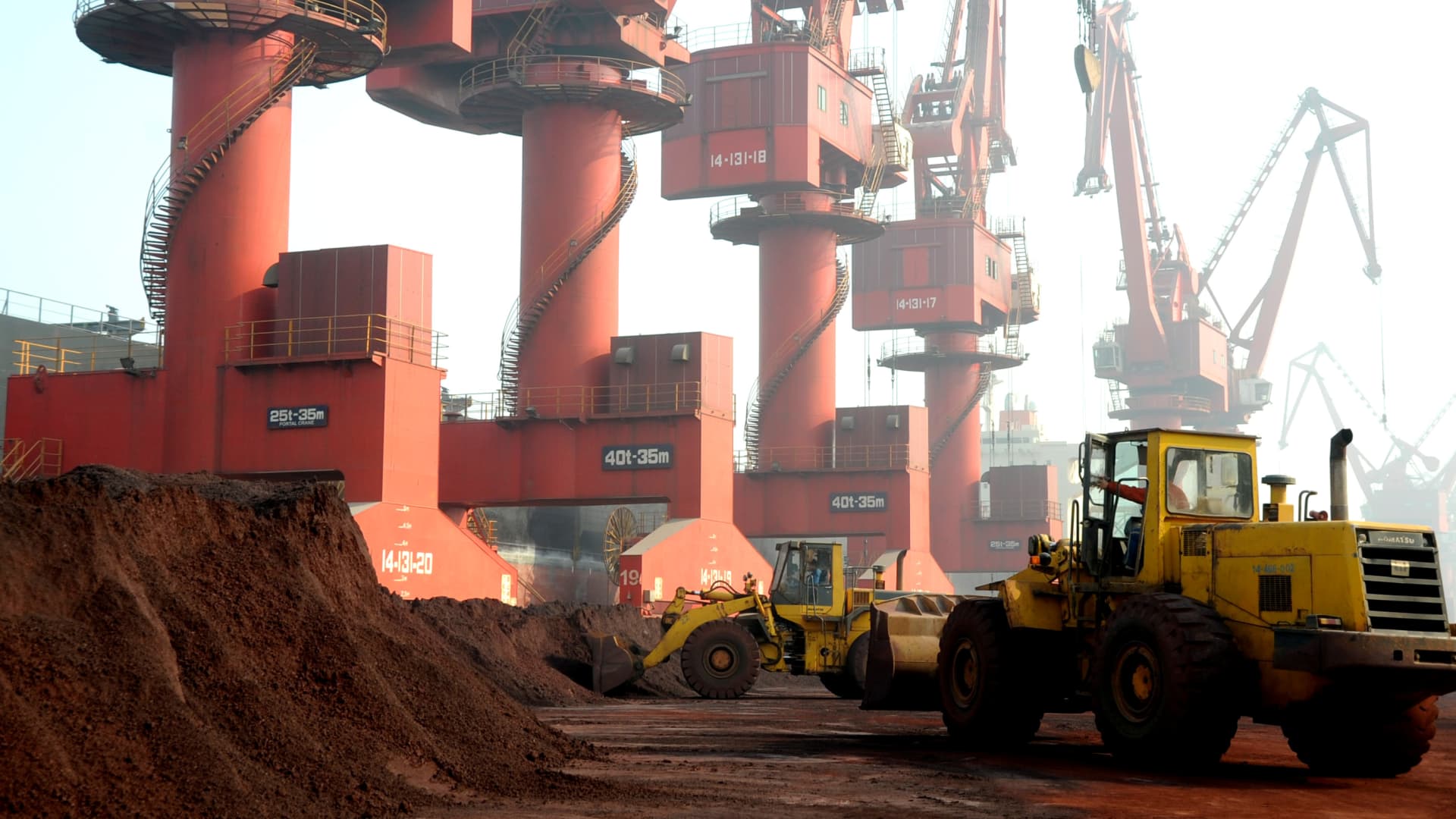
China’s grip on the rare earth market is not merely significant; it is foundational for numerous advanced technologies. Data reveals Beijing’s formidable position, accounting for 59% of global rare earth mining, an astounding 91% of its refining capacity, and 94% of permanent magnet manufacturing. These magnets are indispensable across sectors, powering electric vehicles, wind turbines, industrial motors, data centers, and advanced defense systems. Such concentration makes global supply chains in these strategic sectors highly susceptible to disruption.
As of today, Brent Crude trades at $90.17, reflecting a significant daily dip of 9.28% from its range high of $98.97, while WTI Crude stands at $82.21, down 9.83%. Gasoline prices have also softened to $2.92, a 5.5% decline. This broad market volatility, further evidenced by the 14-day Brent trend from $112.57 to $98.57, underscores a broader market sensitivity to global supply chain stability and geopolitical risk. While rare earths aren’t crude oil, the interconnectedness of strategic materials means disruptions in one can ripple through industrial demand and investor confidence, ultimately impacting energy consumption patterns and commodity prices. The market’s current cautious stance reflects a complex interplay of supply, demand, and geopolitical factors, where the stability of critical mineral supplies plays a silent but profound role.
Geopolitical Leverage and Investor Foresight
The potential for disruption stemming from China’s rare earth dominance is not hypothetical. Earlier this year, Beijing introduced licensing requirements and later export controls on rare earth supplies and technologies, signaling its willingness to use this leverage. While a trade truce in October suspended these controls for a year, major importers like the EU, which sources approximately 70% of its rare earth supplies and almost all of its rare earth magnets from China, remain acutely aware of their vulnerabilities to such geopolitical maneuvers.
Our proprietary reader intent data reveals a consistent focus among investors on long-term price predictions, with many asking “what do you predict the price of oil per barrel will be by end of 2026?” This question, seemingly removed from rare earth discussions, is in fact deeply intertwined. The viability and pace of the global energy transition, heavily reliant on rare earth-dependent technologies like EVs and wind turbines, directly influences future oil demand. Geopolitical risks around rare earths introduce significant uncertainty into the trajectory of these green technologies, impacting long-term energy forecasts and investor strategies across the board. Furthermore, questions regarding “OPEC+ current production quotas” highlight investors’ immediate concerns about supply, but the long-term demand picture is increasingly influenced by the secure, stable supply of critical minerals that enable modern industrial output and the transition away from fossil fuels.
Europe’s Diversification Efforts and the Road Ahead
Recognizing the critical threat, the European Commission has launched the “RESourceEU” plan, a comprehensive strategy aimed at reducing reliance on critical raw materials from China. This multi-pronged approach involves recycling existing materials, establishing joint purchasing agreements, strategic stockpiling, and boosting investment in European-based production and processing projects. The bloc is also actively forging critical raw materials partnerships with countries such as Ukraine, Australia, Canada, Kazakhstan, and Uzbekistan.
However, the path to rare earth independence is a marathon, not a sprint. While the EU is accelerating these initiatives, the immediate global energy landscape continues to evolve, and investors are keenly watching. The upcoming OPEC+ Joint Ministerial Monitoring Committee (JMMC) meeting tomorrow, April 17th, followed by the Full Ministerial Meeting on April 18th, will be critical. Decisions made on production quotas by OPEC+, a recurring question from our readers, will directly influence global supply. However, the long-term demand side is increasingly shaped by industrial activity and the pace of the energy transition, both of which are deeply susceptible to rare earth supply chain stability. Further insights into industrial demand will come from weekly data releases like the API and EIA inventory reports on April 21st and 22nd, respectively, and the Baker Hughes Rig Count on April 24th. A constrained rare earth supply chain could stifle manufacturing in strategic sectors, ultimately dampening industrial energy demand forecasts that influence these critical reports and OPEC+ decisions, emphasizing the interconnectedness of seemingly disparate global commodities.
Investment Implications in a Fragile Supply Chain
For investors navigating the complex energy and industrial landscape, China’s rare earth dominance presents both risks and nascent opportunities. Companies heavily reliant on Chinese rare earth inputs, particularly in the EV, renewable energy, and defense sectors, face inherent supply chain volatility and potential cost increases. Conversely, firms engaged in rare earth recycling, alternative material development, or mining and processing operations outside of China could see significant strategic value increase. Monitoring geopolitical developments, trade policies, and the progress of diversification efforts like “RESourceEU” will be paramount for informed investment decisions. The stability of critical mineral supplies is no longer a peripheral issue; it is a central pillar influencing global industrial output, the trajectory of the energy transition, and, by extension, the long-term outlook for oil and gas demand.