COP30: 1C Climate Goal Accelerates Energy Transition
The latest analysis emerging from the COP30 climate summit presents a compelling narrative for investors: a focused commitment to just three key climate pledges – tripling renewable energy generation, doubling global energy efficiency by 2030, and enacting substantial methane emission cuts – could dramatically alter the global warming trajectory. Projections indicate these actions, if fully implemented, could shave 0.9C from projected temperature rises this century, bringing the world significantly closer to the crucial 1.5C target. For oil and gas investors, this isn’t just an environmental headline; it’s a profound signal of accelerated energy transition, promising both significant headwinds for traditional fossil fuel demand and unprecedented opportunities in the burgeoning green economy. Understanding the implications of these ambitious goals, juxtaposed with immediate market dynamics, is paramount for strategic portfolio positioning.
The Triple Mandate: A Game-Changer for Global Warming and Energy Investment
The core of the COP30 analysis centers on three previously agreed-upon, yet critically under-implemented, commitments. First, a global agreement to triple renewable energy capacity by 2030. Second, a parallel pledge to double global energy efficiency within the same timeframe. And third, a mandate for substantial reductions in methane emissions. The cumulative impact of fulfilling these promises, particularly among G20 nations, is projected to reduce global greenhouse gas emissions by an astounding 18 billion tonnes by 2035. Such a reduction would not only cut the rate of global heating by a third in the next decade but could halve it by 2040, ultimately lowering the anticipated global warming this century from 2.6C to approximately 1.7C. From an investment perspective, this signifies a powerful, policy-driven push towards decarbonization that, if realized, will fundamentally reshape energy supply and demand curves far sooner than many models currently anticipate. The financial flows are already indicating this shift, with global investment in renewables exceeding $2 trillion last year, more than double the capital allocated to fossil fuels. This trend underscores a clear redirection of capital, favoring sustainable energy solutions and posing a long-term structural challenge to the growth prospects of conventional oil and gas.
Market Realities and Investor Focus Amidst Transition Volatility
While the long-term vision for energy transition gains momentum, the immediate market picture remains complex and highly sensitive. As of today, Brent Crude trades at $90.17, experiencing a significant daily downturn of 9.28% and ranging between $86.08 and $98.97. Similarly, WTI Crude stands at $82.21, down 9.83% within a daily range of $78.97-$90.34. This acute volatility, compounded by a 14-day Brent trend that saw prices decline from $112.57 to $98.57 – a 12.4% drop – highlights the numerous factors influencing crude pricing beyond just climate policy. However, this short-term uncertainty often intertwines with growing investor concerns about long-term demand erosion. Our proprietary reader intent data reveals a strong focus on future price predictions, with questions like “what do you predict the price of oil per barrel will be by end of 2026?” frequently asked. This indicates that while traders react to daily news, serious investors are increasingly trying to discount the accelerating energy transition into their forward-looking models. The continued downward pressure on crude prices, even amidst geopolitical tensions, can be partially attributed to this evolving perception of future demand, where ambitious climate goals play an increasingly critical role in shaping investor sentiment.
Implementation Hurdles: Methane and the Path to Investment Opportunities
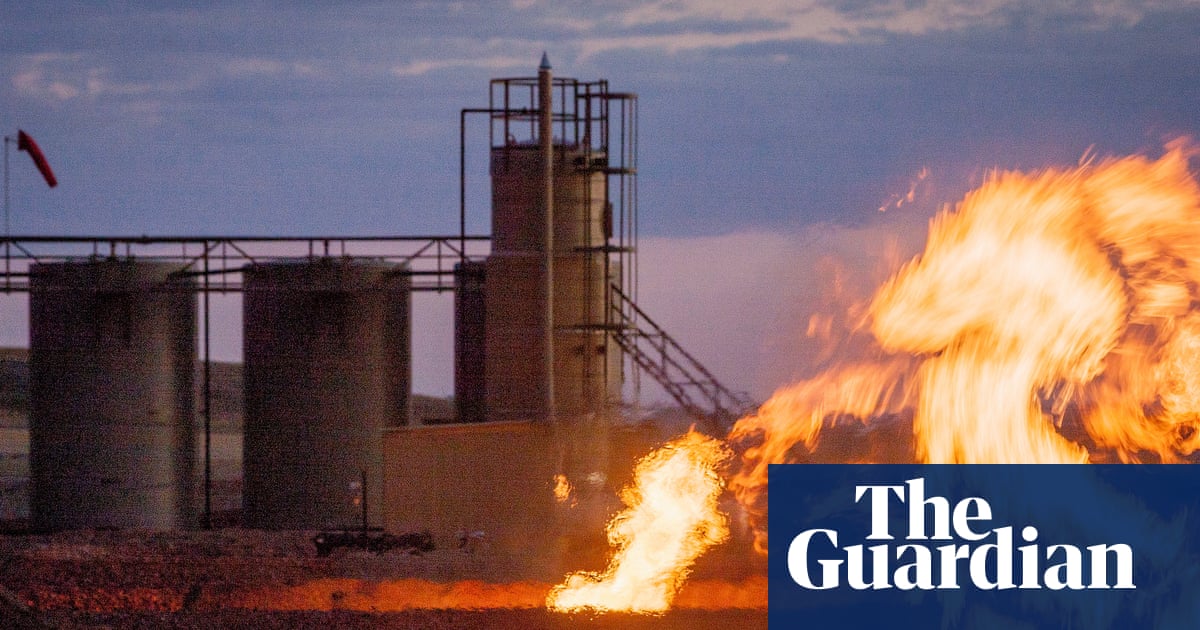
The path to achieving these ambitious climate goals is not uniform across all pledges. While investment in renewables has seen remarkable growth, with countries like China surging ahead and India meeting its solar and wind targets years early, the challenge of cutting methane emissions remains particularly arduous. Despite over 160 governments nominally signing onto a global pledge to cut methane by 30% by 2030, emissions have continued to rise, often coupled with underreporting. Efforts to capture methane from oil and gas operations, or to seal abandoned coalmines and oil wells, face significant political and economic hurdles, particularly in major producing nations. This divergence creates both risks and distinct investment opportunities. For traditional oil and gas companies, the failure to address methane represents a growing regulatory and reputational liability, potentially impacting social license to operate and access to capital. Conversely, it opens doors for innovative companies specializing in methane detection, capture, and utilization technologies. Investors should scrutinize the operational commitments of energy companies regarding methane abatement, as those demonstrating genuine progress will likely gain a competitive edge and attract ESG-focused capital, distinguishing them in a sector facing increasing scrutiny.
The Immediate Horizon: OPEC+ Decisions and Inventory Signals
Even as the long-term energy transition narrative takes shape, immediate supply-side dynamics continue to exert considerable influence on crude markets. Looking ahead, the market’s immediate attention turns to the upcoming OPEC+ Joint Ministerial Monitoring Committee (JMMC) meeting tomorrow, April 17th, followed by the full Ministerial Meeting on April 18th. Our readers are keenly focused on this, with “What are OPEC+ current production quotas?” being a top inquiry, underscoring the critical role this cartel plays in short-term supply management. Any decisions regarding production quotas will directly impact global supply and, consequently, crude prices in the coming weeks. Furthermore, the weekly API Crude Inventory report on April 21st, followed by the EIA Weekly Petroleum Status Report on April 22nd, will provide crucial insights into immediate supply-demand balances within the United States, a key demand center. These, along with subsequent reports on April 28th and 29th, and the Baker Hughes Rig Count on April 24th and May 1st, will offer a granular view of operational activity and storage levels. For investors, monitoring these near-term events is essential for navigating market volatility and understanding the immediate pressures and opportunities within the oil and gas sector, even as the powerful currents of accelerated energy transition pull towards a fundamentally different future.


